 Tejal Somvanshi
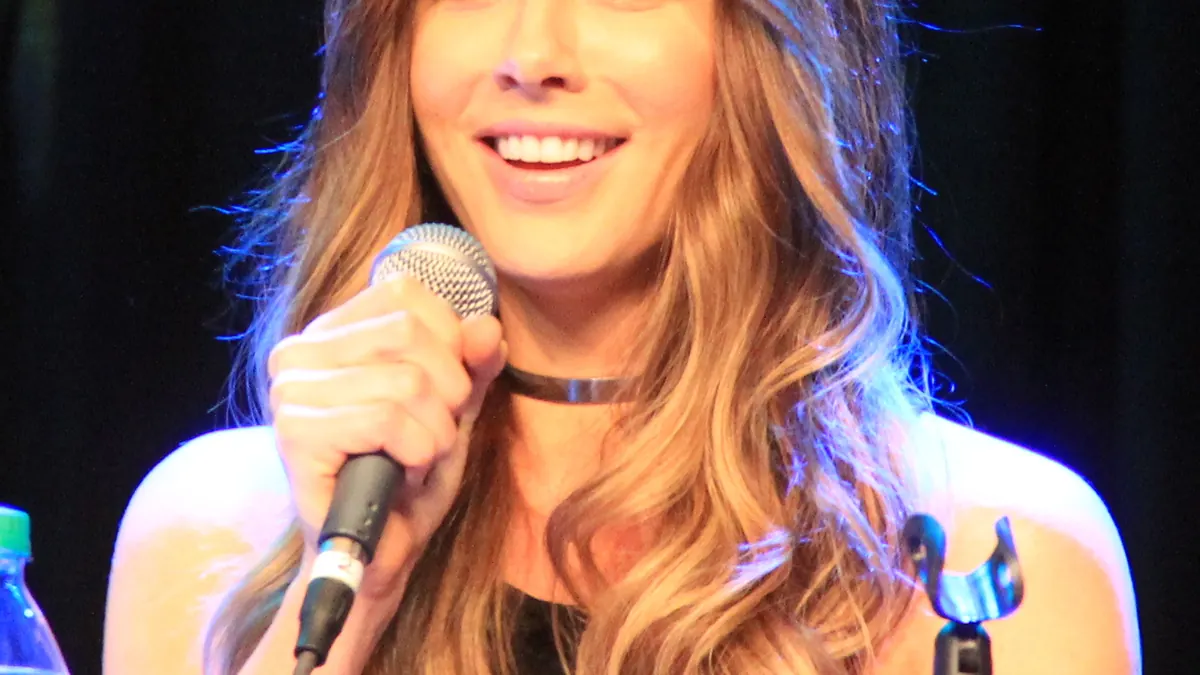
Kate Beckinsale shared a series of cryptic posts on Instagram on September 20, including a black-background image reading “bye” and an Instagram Story containing the words “Congratulations you won. I give up.” The posts also included a reference to Caroline Flack. The actress had not publicly explained the meaning of the posts at the time they were reported, and the posts were subsequently deleted from her account.
Beckinsale, 53, has spoken publicly in prior interviews about PTSD, grief following the death of her mother, and mast cell activation syndrome (MCAS). Those disclosures had led to her wellbeing being a subject of attention among her following.
Fans responding to the posts expressed concern, with many asking others to check on the actress. The responses reflected worry rather than a routine engagement with her account.
Beckinsale has not made any formal announcements about upcoming projects in conjunction with the posts.
The actress has not publicly commented on the posts, leaving fans to speculate about what prompted the unusual sharing. Mental health advocates have praised the community support flooding in, while reminding followers that reaching out to professionals is always an option. Beckinsale, known for her roles in action and thriller films, has maintained a relatively private personal life despite her global fame. The incident highlights how social media activity can quickly spiral into public concern when followers notice sudden changes in behavior patterns. Industry insiders suggest the posts may have been automated or shared without her knowledge, though no official explanation has been provided as of now.
Fans took to social media to express their concern, with many posting supportive messages and urging the actress to seek help if needed. The cryptic nature of the posts has sparked widespread speculation about what may be troubling the actress, with some suggesting she may be dealing with personal issues away from the public eye. Medical professionals have noted that sudden changes in social media behavior can sometimes indicate underlying mental health challenges that require professional attention and support from loved ones.