 Govind Tekale
If you follow federal law enforcement policy, the September 15 Senate Judiciary Committee hearing gave the clearest public account yet of what exactly changed in FBI applicant standards — and why the change was more complicated than the headlines suggested.
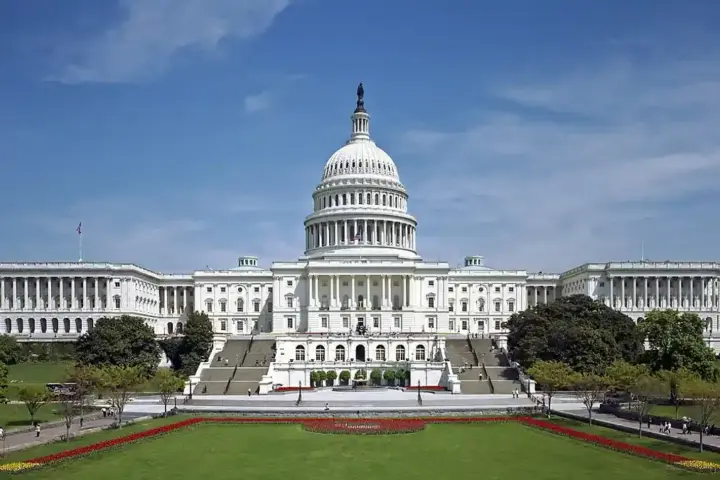
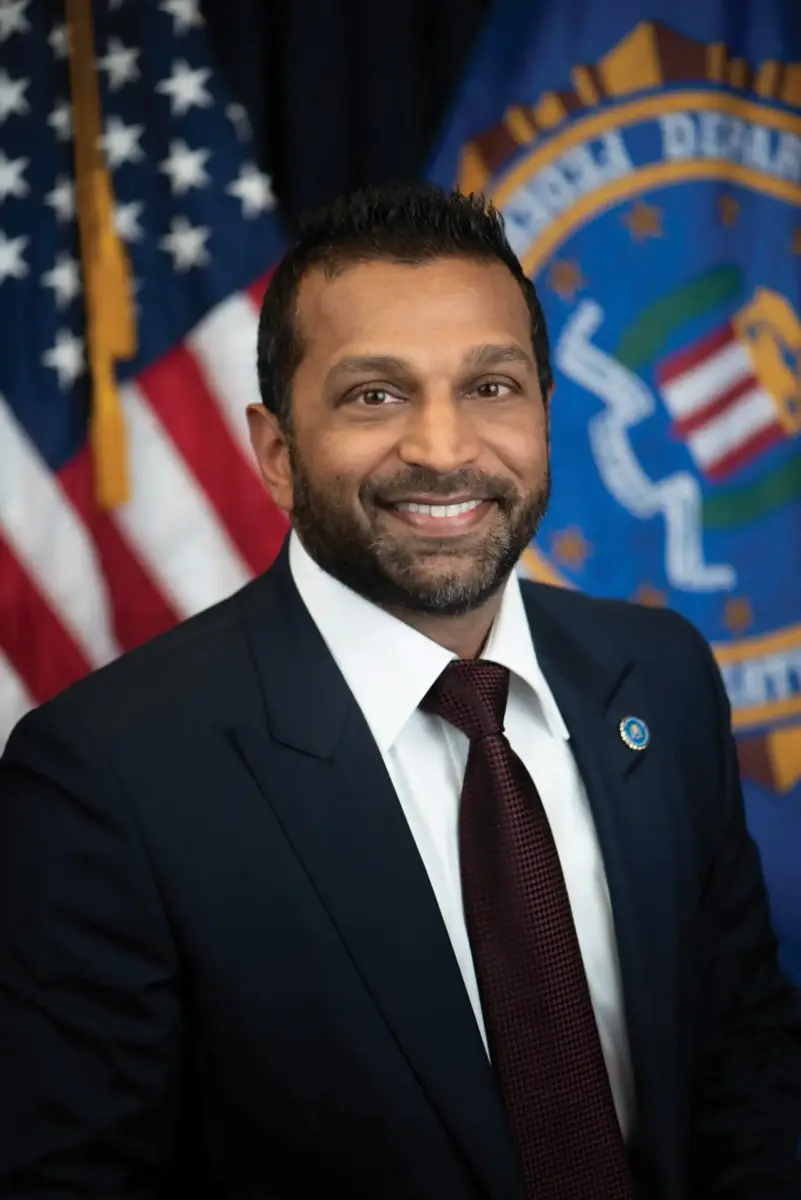
FBI Director Kash Patel testified before the Senate Judiciary Committee on September 15, 2026, defending revisions to the FBI’s applicant suitability guidelines. The hearing covered several lines of questioning, including changes to which past conduct automatically disqualifies a prospective FBI agent. Senators pressed Patel on the specifics of revised standards that replaced certain automatic lifetime disqualifiers with case-by-case holistic evaluations.
If you are a prospective federal job applicant, or you work in a field where federal background check standards affect your career prospects, these changes matter directly. The shift from rigid zero-tolerance disqualifiers to individualized suitability assessments broadens the pool of eligible applicants for technical positions — but ongoing congressional resistance could produce legislative restrictions that slow or reverse the changes, affecting pending clearance applications across the federal hiring pipeline. The timeline for any such legislative response is not yet determined.
What the Old Rule Said, What Changed, and Why
FBI suitability standards have historically included automatic lifetime disqualifiers — categories of past conduct that permanently barred an applicant regardless of context, elapsed time, or rehabilitation. Among the most discussed at the hearing was a provision related to sexual conduct involving animals, which had previously been an automatic disqualifier.
The revised guidelines replaced certain automatic disqualifiers with holistic assessments. Under the new framework, the FBI evaluates the full context of an applicant’s history rather than applying an automatic bar.
Two distinct rationales were offered during the hearing. For general modernization of suitability criteria — covering areas such as non-recent financial offenses or prior employment in certain industries — Patel argued the revisions help recruit specialized cybersecurity talent, where technically qualified candidates may have backgrounds that do not fit the traditional law enforcement profile. For the specific provision related to sexual conduct involving animals, Patel offered a separate defence: that the change was intended as an accommodation for individuals who experienced such conduct as victims of abuse or coercion when they were under 18. These two arguments are distinct and should not be conflated.
Senators challenged both positions, arguing that character and conduct standards for federal law enforcement officers who carry firearms, exercise arrest authority, and handle classified information cannot be assessed through the same lens as private-sector technology hiring.
What Senators Asked
The Senate Judiciary Committee’s questioning focused on several distinct issues during the hearing:
The specific conduct provisions: Senators asked Patel to explain whether the removal of certain automatic disqualifiers created a category of previously ineligible applicants who are now being considered. Patel offered different defences for different provisions — the cybersecurity recruitment argument for general suitability modernization, and a childhood-abuse-victim accommodation rationale specifically for the provision related to sexual conduct involving animals.
The practical implementation: Senators requested records on how many applicants have been assessed under the new framework, what decisions were made, and who within the FBI has authority to approve borderline cases. The committee’s request for specific implementation data reflects concern that holistic assessments create inconsistency and opportunities for politically motivated hiring decisions.
The broader FBI management context: The hearing also covered separate issues including staff relocations and firings within the FBI, which Patel addressed as part of broader agency restructuring.
The Cybersecurity Recruitment Argument
Patel’s central defence of the revised standards was practical: the FBI needs specialized cybersecurity investigators, and the traditional suitability framework was screening out technically qualified candidates. The cybersecurity workforce is one of the tightest talent markets in the US economy, and federal agencies consistently lose candidates to private-sector salaries.
The argument has legitimate force in isolation. Many private technology firms, including major defence contractors with their own security clearances, have moved toward holistic background assessments precisely because rigid categorical disqualifiers reduced their applicant pools to levels that could not meet hiring targets.
The counterargument from the committee is also clear: FBI agents carry firearms, exercise law enforcement authority, handle classified national security information, and conduct investigations that can result in prosecution. The conduct standards appropriate for a cybersecurity engineer at a private firm are not necessarily appropriate for a federal law enforcement officer with those responsibilities.
What Comes Next
The Senate Judiciary Committee has requested documentation from the FBI on the implementation of the revised standards. If those records are not provided, or if the committee finds evidence that the new framework has been applied inconsistently, legislative action is possible.
Congressional options include appropriations riders — spending bill provisions that restrict how FBI funds can be used for hiring under the new standards — or direct legislative amendments to federal employment law. Either route would require passing through committee and floor votes in both chambers, which takes time.
For federal job applicants currently going through the clearance process, the current standards remain in effect until any legislative or regulatory change takes effect.
—
FAQ
What changed in FBI hiring standards? The FBI replaced certain automatic lifetime disqualifiers in its applicant suitability guidelines with case-by-case holistic evaluations. The stated reason is to expand the pool of eligible applicants for specialized cybersecurity positions. Under the previous framework, specific categories of past conduct permanently barred applicants regardless of context or elapsed time.
Why was Kash Patel testifying before the Senate? The Senate Judiciary Committee called FBI Director Kash Patel to testify about several issues including the revised applicant suitability guidelines, staff relocations and firings within the FBI, and broader concerns about the agency’s direction under his leadership. Patel defended the hiring changes as a modernization of recruitment for technical specialists.
How do the revised FBI hiring standards affect applicants? Applicants whose backgrounds previously triggered automatic disqualifiers may now be considered under a holistic evaluation process. The practical effect depends on which specific disqualifiers were modified and how evaluators apply the new criteria. The Senate committee has requested implementation records to assess how the standards are being applied in practice.