 Rahul Somvanshi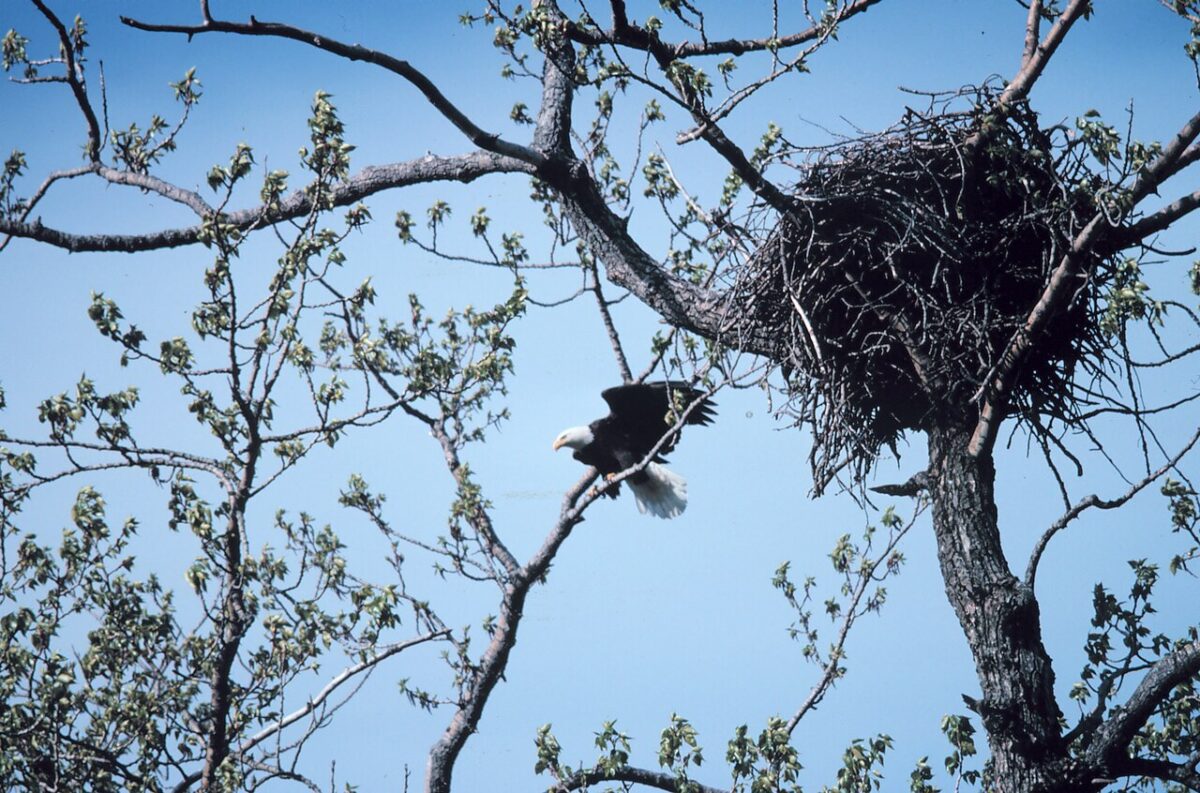
The Story
Jackie the bald eagle’s livestream has captivated audiences worldwide since 2021. In Australia, wildlife organizations have adapted the model to their own conservation challenges, with particular success in monitoring threatened sea eagle populations.
Australian Implementation: Sydney Sea Eagle Cam
The livestream has generated significant conservation support:
– Over 300,000 cumulative viewer hours in its first year
– Kangaroo Island Wildlife Recovery Centre: $480,000 raised through integrated conservation appeal
– Community engagement: citizen science contributions through eBird/iNaturalist platforms
Technical Infrastructure
The core livestream technology draws from proven conservation tech specifications:
– Camera: Axis Q6035-E PTZ (pan-tilt-zoom) outdoor camera
– Connectivity: 4G LTE with satellite backup communications
– Power: solar panels with battery storage for 24-hour operation
– Data transmission: low-power LoRaWAN sensors for environmental monitoring
Scaling Beyond Sea Eagles
Australia’s $12 Million National Wildlife Streaming Initiative launched July 2026 aims to extend the model across threatened species programs. However, expansion faces practical challenges:
Economic sustainability requires a diversified revenue model:
– Direct viewer donations (primary)
– Merchandise sales
– Platform revenue sharing (YouTube, Twitch partnerships)
– Local tourism impact (wildlife centers report 15–25% visitor increases)
Community Science Integration
The livestream model creates an unexpected research opportunity. Citizen contributors submit behavioral observations via eBird and iNaturalist, which researchers at Monash University use to track:
– Breeding success rates
– Feeding patterns and prey preferences
– Habitat usage and territory expansion
– Human disturbance impacts
The Road Ahead: Implementation Challenges and Threatened Species Conservation
Australia’s parrot conservation efforts have adopted similar approaches. Critically endangered species have become a focus for community science initiatives through dedicated platforms.
Implementation Roadmap: 4-Phase Approach
Phase 1: Community Foundation
– Partner with established wildlife organizations
– Establish technical infrastructure on proven platforms
– Launch with single high-charisma species
– Build volunteer community monitoring network
Phase 2: Institutional Integration
– Connect livestream data to university research programs
– Develop citizen science protocols
– Integrate with existing conservation monitoring systems
Phase 3: Revenue Diversification
– Launch merchandise and educational content
– Develop platform partnerships
– Establish tourism connections with wildlife centers
Phase 4: Geographic Scaling
– Extend to multiple species and locations
– Develop distributed monitoring network
– Integrate with national biodiversity tracking systems
Financial Considerations
The figures cited for conservation fundraising — including the $4.1 million raised by Friends of Big Bear Valley over 139 days and the separate $10 million Moon Camp habitat preservation campaign — are confirmed by FOBBV public statements and KTLA reporting.
Source: BirdLife Australia (EagleWatch); wildlife researchers. Related: Bald Eagle conservation.