Sunita Somvanshi
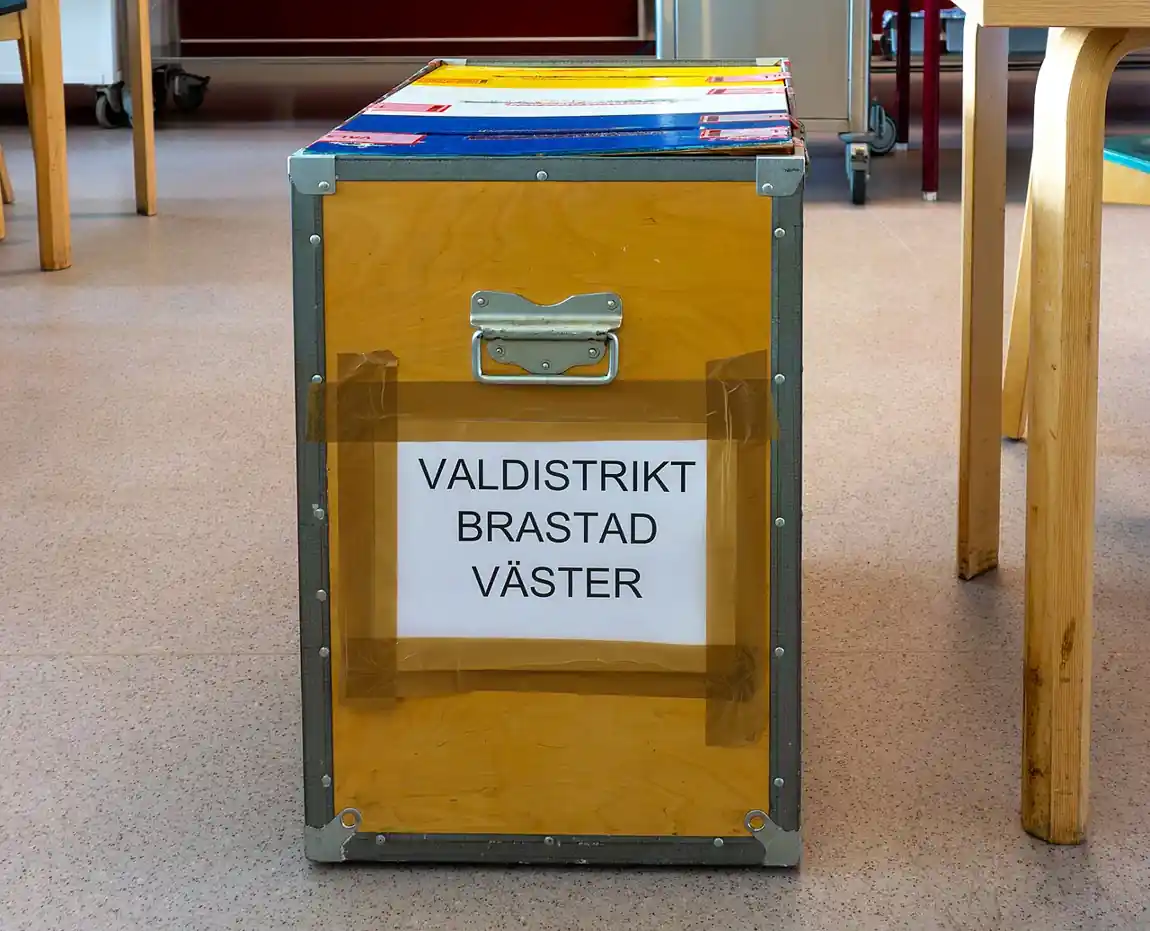
With 40% of Israel’s ballots counted, Benjamin Netanyahu’s right-wing bloc holds a projected 59 Knesset seats—two short of the 61-seat majority needed to form a government. His opponent Gadi Eisenkot’s opposition bloc trails narrowly, and neither side can yet claim a governing coalition. The count that started Tuesday night could take days to resolve, and analysts have raised the possibility of a sixth national election in seven years if coalition talks fail.
Israel’s Central Elections Committee (CEC) reported at the 39.18% counting threshold that Netanyahu’s Likud party leads with 21.70% of the vote—460,565 ballots and 28 projected seats. Gadi Eisenkot’s Yashar! party placed second at 15.72% (333,786 votes, 21 seats). Farther back: The Joint List 9.18% (12 seats), Beyachad 8.34% (11 seats), United Torah Judaism 6.39% (8 seats), Yisrael Beyteinu 6.25% (8 seats), The Democrats 5.86% (7 seats), Otzma Yehudit 5.81% (7 seats), Shas 5.65% (7 seats), and the Religious Zionist Party 5.48% (7 seats). Spoiled ballots total 9,804—just under 0.46%. The CEC rejected Netanyahu’s petition after 10 PM to keep polling stations open, stating it found “no indication of systematic tampering.”
With neither bloc holding a clean 61-seat majority after 40% of ballots counted, Israel faces weeks of coalition horse-trading that directly affects US foreign policy in the Middle East. A deadlocked caretaker government limits Washington’s push for a wider regional security framework, while ultra-Orthodox leverage over military conscription laws and US pressure to exclude far-right ministers Itamar Ben-Gvir and Bezalel Smotrich will shape both defense spending and potential military decisions regarding Iran.
The 3.25% Threshold and the Ultra-Orthodox Wildcard
Four parties are hovering at or near the 3.25% electoral threshold that determines Knesset entry. Ra’am, chaired by Mansour Abbas, currently sits at 3.79% (4 projected seats). The Reservists party trails at 2.7%–2.9%, below the cutoff. Each percentage point of uncounted ballots can swing those threshold parties in or out, adding or deleting up to four seats from a given bloc—a volatility that makes every CEC batch release a potential turning point in the seat math.
Netanyahu addressed supporters just after midnight, declaring his bloc has a “decisive majority” and insisting a coalition relying on Arab parties is “forbidden.” Eisenkot, speaking in Tel Aviv, called on Netanyahu to step down: “A worthy leader would have accepted the people’s non-confidence.” Abbas put it bluntly: “With the numbers we have now, there is no government.”
Reports published by multiple outlets during the campaign indicated the Trump administration favors an Israeli coalition that excludes Ben-Gvir and Smotrich, citing regional stability and ongoing negotiations over a broader Middle East security framework. That external pressure limits Netanyahu’s room to assemble a governing coalition from his traditional far-right base even if his bloc eventually reaches 61 seats. For context on the broader diplomatic stakes, see US-Middle East policy coverage and Israel’s ongoing conscription debate.
While Netanyahu publicly insists his right-wing coalition is intact, a Shas party insider quietly told Israel’s Channel 12 that Shas—projected at seven seats—could join an Eisenkot-led government at a later stage if Eisenkot leaves key ministries vacant and enacts what the source called a “reasonable conscription law.” Because Shas holds seven seats in current projections, that single ultra-Orthodox pivot would break the 59-seat deadlock without requiring Arab party backing—precisely the outcome Netanyahu’s post-midnight speech was designed to pre-empt.
How many seats are needed to form a government in Israel?
A party bloc needs at least 61 out of 120 seats in the Knesset to form a governing coalition. With roughly 40% of votes counted by the Central Elections Committee, Benjamin Netanyahu’s right-wing bloc leads with around 59 projected seats, just two seats short of a governing majority.
Who won the October 2026 Israel election?
No bloc has secured a majority as of the 40% count. Netanyahu’s Likud leads as the largest single party with 28 projected seats, but his right-wing alliance holds approximately 59 total projected seats. Eisenkot’s opposition bloc trails in media projections, with exit poll estimates ranging from the mid-40s to low 50s in various outlets—neither side can govern without additional coalition partners.
What is Gadi Eisenkot’s Yashar party?
Yashar! is a centrist party founded by Gadi Eisenkot, a former Israeli Defense Forces Chief of Staff. It placed second in the October 2026 election with 15.72% of votes at the 40% counting mark, translating to 21 projected Knesset seats.
The Israeli president will formally task the leader most likely to form a coalition once the CEC completes the standard ballot count. Final certification—including “double envelope” military and diplomatic ballots counted separately—is expected within several days. Check back for updates as the official 120-seat allocation is confirmed.