 Sonali Tiwary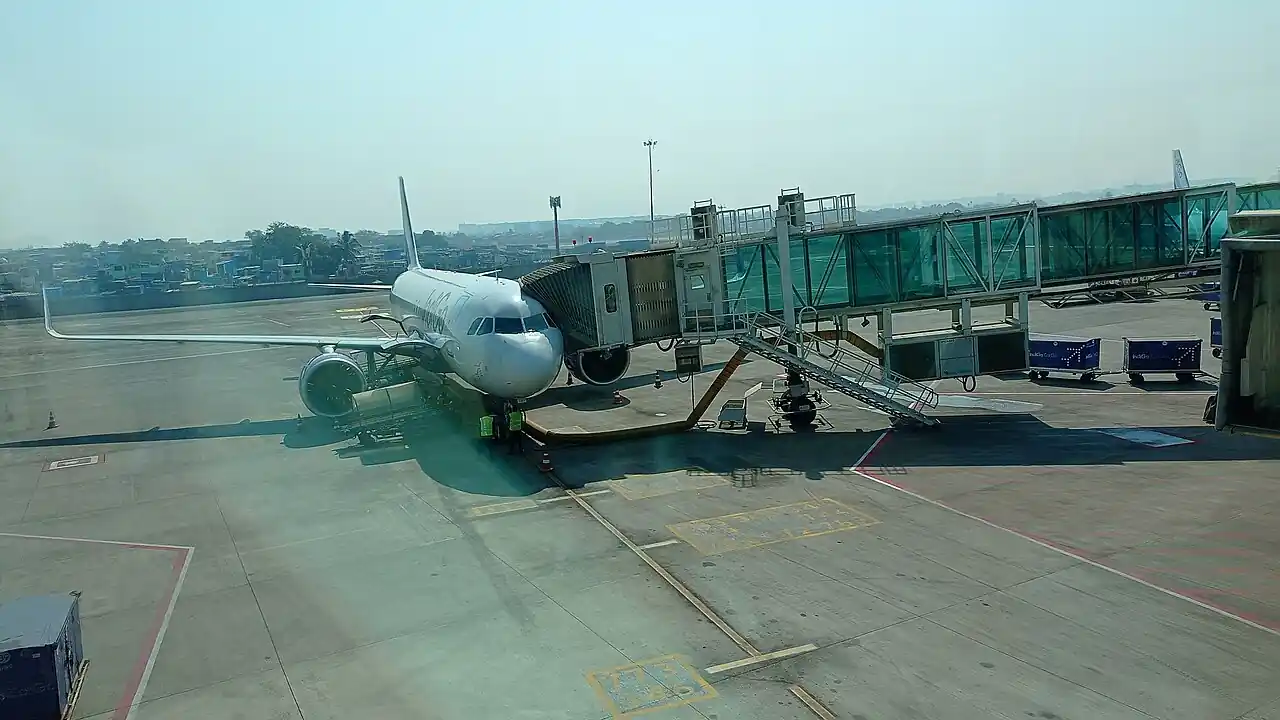
An IndiGo flight operating from Doha to Bengaluru on September 3 was diverted to Muscat International Airport in Oman after an operating crew member required urgent medical attention during the flight.
The flight was IndiGo 6E 1302. Multiple reports identified the affected person as the captain; IndiGo’s official statement described the person as an “operating crew member.” The flight declared a Mayday and diverted to Muscat.
A Mayday call is the highest level of aviation emergency declaration, signaling life-threatening danger. It takes priority over all other communications on the frequency. Air traffic controllers clear the airspace around the aircraft and coordinate directly with the destination airport’s emergency services — ambulances, fire trucks, and medical teams are typically standing by on arrival. Declaring Mayday for a crew medical emergency is not unusual; it is the correct procedure precisely because the situation affects the personnel responsible for operating the aircraft.
The type of crew member affected has not been officially identified beyond IndiGo’s use of the phrase “operating crew member.” Multiple reports described the affected person as the aircraft’s captain, but IndiGo’s statement did not confirm that. The distinction matters because incapacitation procedures differ slightly depending on whether the affected person is the pilot flying, the pilot monitoring, or a cabin crew member. Using the airline’s own language is the accurate approach until a more specific identification is made.
IndiGo confirmed that the crew member received medical attention after the aircraft landed in Muscat and was reported to be feeling better. The airline arranged an alternate aircraft and a fresh crew, and passengers were provided refreshments and updates while waiting at Muscat for the onward journey to Bengaluru.
IndiGo is India’s largest carrier by domestic market share, operating over 1,900 daily flights across domestic and international routes. Its international operations include services throughout the Middle East, Southeast Asia, and parts of Europe. The Doha–Bengaluru route connects one of the Gulf hubs to south India, primarily serving the large Indian diaspora working in the region.
When a crew member in the cockpit becomes incapacitated during a flight, the other qualified pilot takes command. Under procedures set by India’s Directorate General of Civil Aviation and the International Civil Aviation Organization, the pilot notifies Air Traffic Control and diverts to the nearest suitable airport with emergency services. Cabin crew assist with securing the affected person.
Diversion to the nearest suitable airport with emergency medical services is standard procedure. Muscat International Airport is a major international hub in Oman with full emergency services and the infrastructure to handle unscheduled commercial landings.
A diversion does not indicate a crash risk. Commercial aircraft are certified and crewed to operate safely with one qualified pilot in the flight deck. Dual-pilot crews exist precisely so that a single incapacitation does not create an unsafe situation. The aircraft landed safely, medical personnel attended to the crew member, and arrangements were made to continue the passenger journey.
The passengers on flight 6E 1302 were accommodated at Muscat while the airline arranged alternative travel. Refreshments and updates were provided during the wait. The timeline for the onward leg was not publicly specified, but crew rest and immigration requirements at Muscat would typically determine the minimum transit window before departure.
IndiGo has not publicly disclosed further details about the medical situation, which is standard practice given both medical privacy and the fact that a clinical diagnosis was not relevant to passenger safety decisions.
The diversion was handled as the procedures require. The crew member was treated. The passengers were rerouted. The system worked the way it was designed to.