 Tejal Somvanshi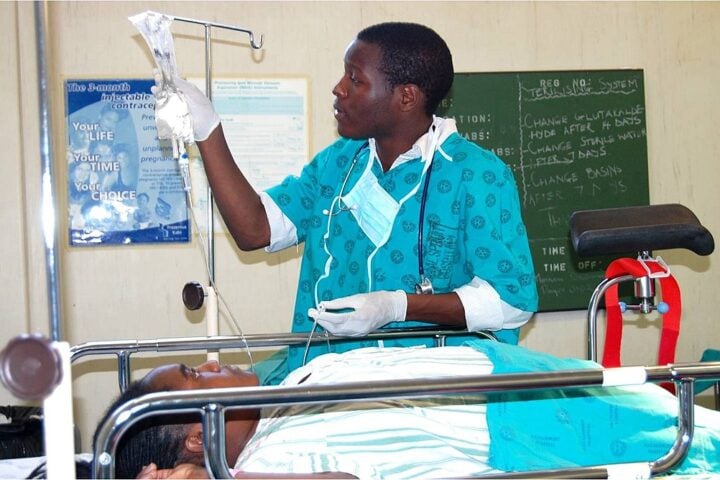
The Democratic Republic of Congo is managing a fast-moving Ebola emergency that has become one of the largest on record. As of July 27, 2026, confirmed cases stand at 3,262 with 1,437 deaths, according to official Congo government figures. The outbreak is caused by Bundibugyo virus—a less common Ebola species with a historical case-fatality rate of roughly 25–50 percent.
Ituri Province carries the heaviest burden: 2,901 confirmed cases and 1,207 deaths spread across 28 of its 36 health zones. North Kivu Province reports 314 cases and 204 deaths across 11 of 34 health zones. Uganda has recorded 2 deaths linked to cross-border transmission. The speed of spread has been the defining feature of this outbreak—case escalation has outpaced previous Bundibugyo outbreaks and ranks among the fastest-growing Ebola events ever documented.
A critical gap complicates the response: there is currently no approved vaccine specifically targeting Bundibugyo virus. The vaccines used in past outbreaks—rVSV-ZEBOV and Ad26.ZEBOV/MVA-BN-Filo—were designed against the Zaire ebolavirus strain and are not approved for Bundibugyo. Four vaccine candidates are in development through IAVI, Moderna, Oxford ChAdOx1, and a Cambridge platform, but none have reached emergency-use approval. This situation contrasts sharply with prior Zaire-strain emergencies, where vaccination campaigns could begin quickly. Karmactive has reported on the fragility of health infrastructure in resource-limited settings—a factor that makes this vaccine gap especially consequential.
The World Health Organization declared a Public Health Emergency of International Concern on May 17, 2026. International funding has accumulated to more than $200 million, including a $38 million US contribution. Response activities include contact tracing, isolation units, community education, and health-worker protection programmes. Armed conflict in parts of eastern Congo limits teams’ ability to trace contacts and deliver care. Remote terrain adds further delays to vaccine and supply logistics.
True case counts likely exceed confirmed numbers. Laboratory confirmation is slow in the most affected areas, meaning the outbreak’s real scale may be considerably larger. Health officials and partners including the African Union are accelerating surveillance and support. Previous Ebola emergencies in Congo—including the 2018–2020 Kivu outbreak with over 3,400 cases—showed how conflict zones can sustain transmission long after containment should have been possible. Karmactive’s earlier coverage of disease outbreaks in Africa and emerging infectious threats underscores how quickly situations escalate when detection infrastructure is thin.
The situation remains active and evolving. Case counts are updated frequently as more samples reach testing laboratories. The lack of an approved Bundibugyo vaccine means the primary tools remain contact tracing, safe burial practices, and isolation—the same approaches used in Ebola responses for decades. Whether accelerated vaccine development timelines can close that gap before the outbreak peaks is the central question facing the global health community.