Corn-Based Nanofiber Membrane Removes Triclosan & Other Micropollutants
Electrospun cyclodextrin fibers were reported to remove ~90% triclosan in lab tests, with ~75% in the first 15 minutes at 11 mg/L and ~88% at ~6 hours.
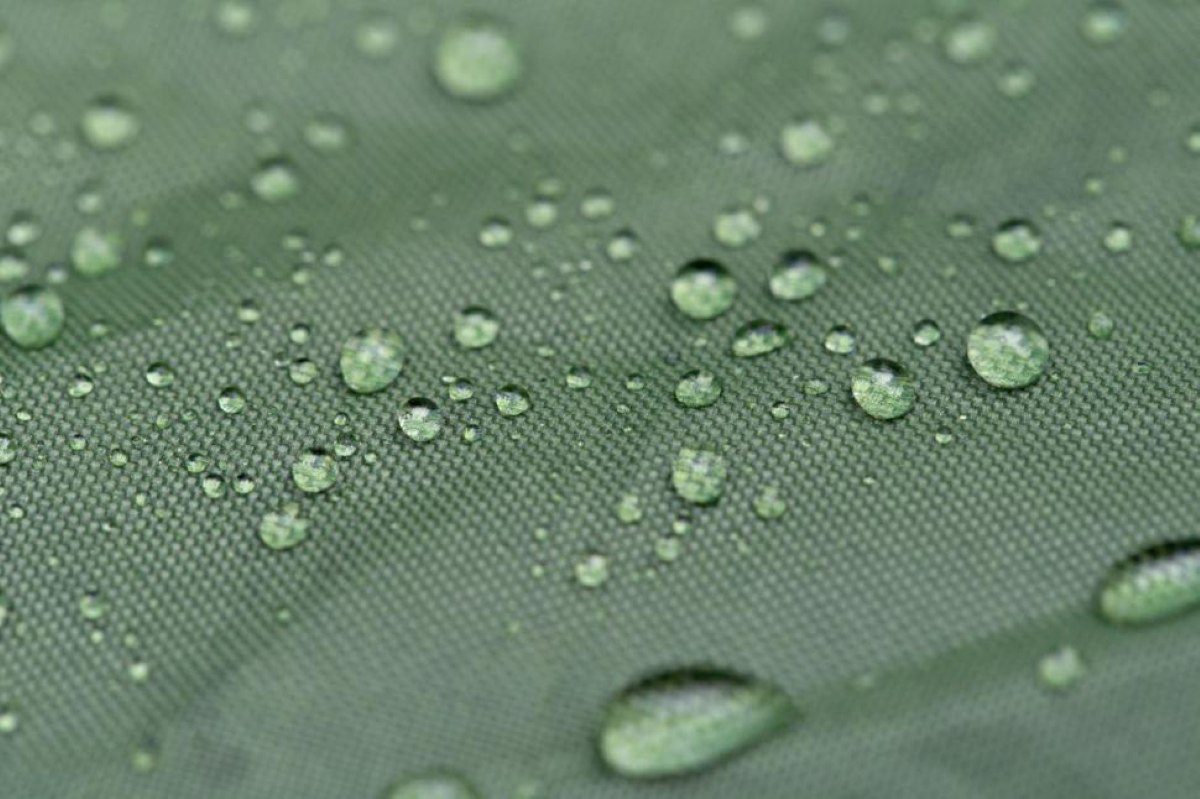 Cyclodextrin-based electrospun nanofiber membrane (feature image). Source: Cornell University.
Quick Intro
A Cornell research group reported a cyclodextrin-based fibrous membrane that removed approximately 90% of aqueous triclosan in lab testing and captured other micropollutants. The material is washable and reusable and is fabricated via electrospinning, producing fibers under 1 µm diameter for high surface-area adsorption. Full details are available via Cornell University.
Interactive: Triclosan Uptake vs. Time (Documented Points)
Use the buttons or slider to switch between reported times. Values are limited to the study’s noted measurements.
Materials & Method
- Electrospinning produced fibers <1 µm in diameter for high surface-area adsorption.
- Cyclodextrin formed the fiber itself; no extra support substrate required.
- Validation included rotating-frame Overhauser enhancement spectroscopy at Cornell NMR Facilities.
“The electrospinning produces a very thin fiber, less than 1 micron in diameter, which gives high surface area and excellent adsorption,” said Mahmoud Aboelkheir.
Reusability & Sustainability
- Membrane regenerated by washing (lower energy demand than restoring powdered adsorbents).
- Corn-starch–derived cyclodextrin is biodegradable.
Real-World Waters & Research Group
- Waters used in tests: Flat Rock, groundwater wells, and wastewater treatment plants.
- Lead author: Mahmoud Aboelkheir (Human Centered Design). Senior author: Tamer Uyar (Fiber Science). Co-authors: Asli Celebioglu, Damian Helbling, Ivan Keresztes.
Source & Further Reading
Full announcement: Cornell University. Explore related coverage on Karmactive: