 Sunita Somvanshi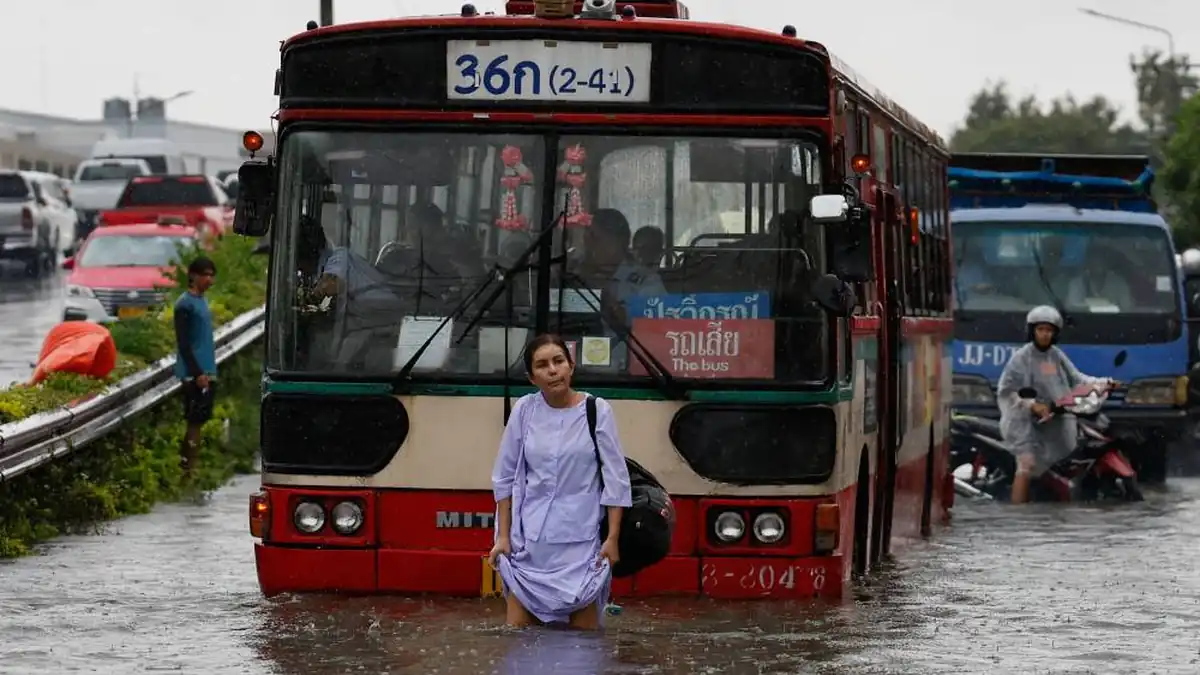
Bangkok declared a city-wide flood disaster on Friday after 300mm of rain fell in 24 hours — the heaviest September rainfall in 40 years — submerging roads, disabling pumps, and forcing 50 of 56 districts to issue evacuation orders. The Bangkok Metropolitan Administration’s emergency operations center activated the highest flood response level, deploying 12,000 sandbags and 40 pumps to low-lying areas.
Bangkok’s previous flood declaration in August 2025 affected 35 districts, making this year’s 50-district emergency the largest-scale flood event in the city’s modern history. The BMA confirmed that 12,000 residents have been evacuated to temporary shelters, with another 45,000 advised to prepare for possible relocation.
The Thai Meteorological Department forecast continued heavy rain through Monday, with 200-350mm expected across central Thailand. Drainage systems in Bangkok’s central business district failed at 3am Friday when pumping capacity was exceeded, submerging major roads including Silom and Sukhumvit under 60cm of water. The BMA reported that 8 of the city’s 10 main drainage pumps were operating at full capacity, with 2 pumps completely offline due to electrical faults.
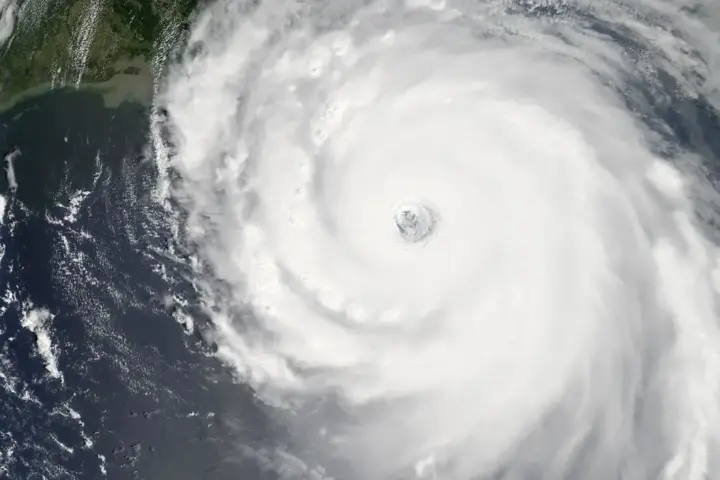
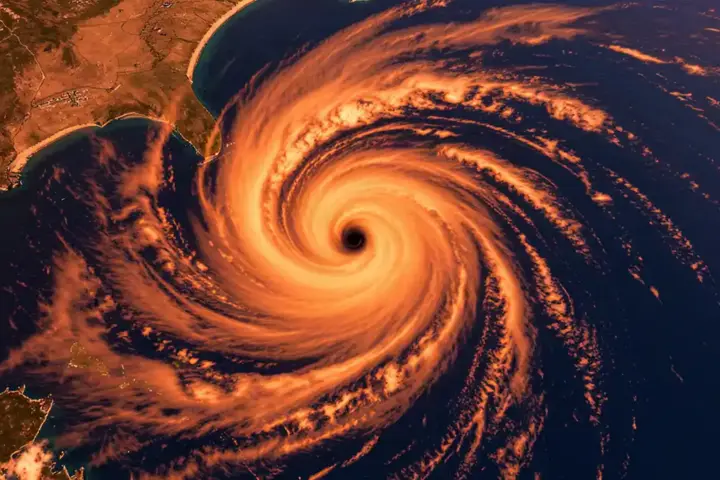
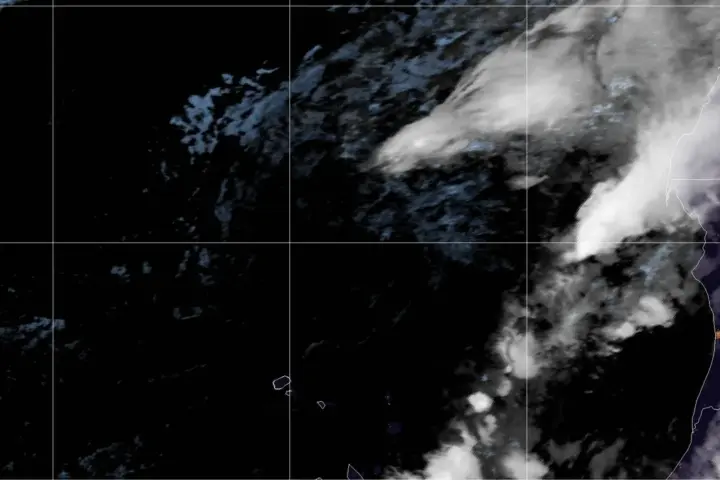
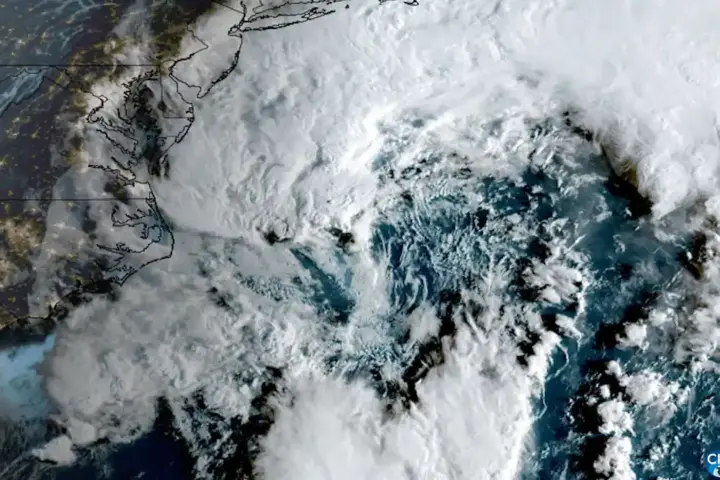
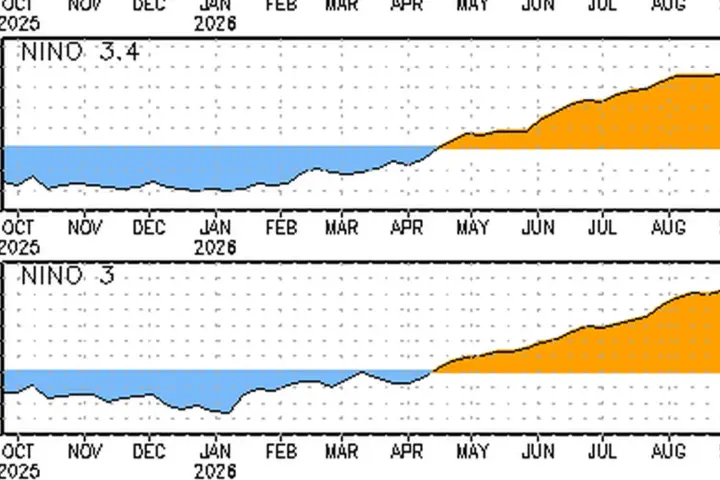
Hurricane Nolo’s path through the Pacific this week diverted weather patterns that normally bring rain away from Thailand, contributing to the stalled storm system over the Gulf of Thailand. Climate scientists say the unusual weather convergence is consistent with patterns expected under El Niño conditions, though direct attribution requires further analysis.
The disaster has disrupted Bangkok’s transport network. Suvarnabhumi Airport cancelled 180 flights, and the BTS Skytrain suspended service on three elevated lines after water infiltration damaged electrical systems. The Thai Navy deployed vessels to rescue residents in flooded neighborhoods, and the Interior Ministry authorized the use of military vehicles for evacuation.
The Tanganyika capsizing last month, which killed 150 people, highlighted the region’s vulnerability to extreme weather events. Bangkok’s flood response this time was faster and better-coordinated, though the scale of displacement exceeds any event since 2011.
New York City’s nor’easter flooding in October 2025 demonstrated that urban flooding is a global infrastructure challenge, not limited to Southeast Asia. Both cities share similar vulnerabilities: aging drainage systems, dense coastal populations, and increasing extreme rainfall intensity driven by climate change.
The BMA confirmed that water levels in the Chao Phraya River reached 2.4 meters at the Rama VI bridge — 40cm above flood warning level. Emergency crews worked through the night to reinforce embankments, and the army opened an additional 5 evacuation centers. Full recovery could take 2-3 weeks depending on whether additional rainfall materializes.
Home | Bangkok Flood Disaster — 300mm Rain, 50 Districts | World | Environment