 Jonathan Santosh
Multiple Droughts: A Global Climate Challenge Intensifying
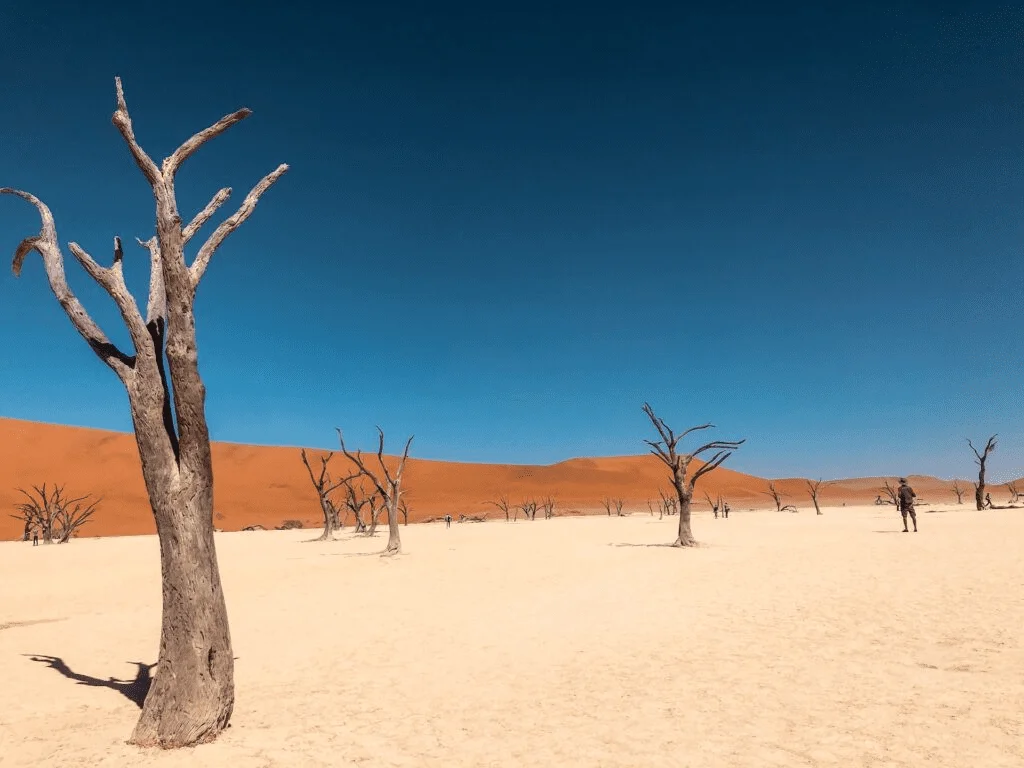
Drought conditions have intensified across multiple continents, with simultaneous dry periods affecting agricultural regions in North America, Europe, and Asia. The 2022 drought season has been particularly severe, with precipitation levels dropping 30-50% below historical averages in affected areas. This represents one of the most widespread synchronous drought events on record, impacting over 2 billion people and threatening global food security.
Regional Impact Analysis
In Europe, the ongoing drought has reduced Rhine river levels to critical lows, disrupting barge traffic that normally transports 200 million tons of cargo annually. According to the European Environment Agency (EEA), 2022 marked the hottest summer on record for the continent, with average temperatures 2.1°C above the 1991-2020 baseline. The combination of record heat and minimal rainfall has created unprecedented strain on water resources across 15 countries.
Heat wave survival strategies for urban populations become increasingly critical as drought conditions compound existing climate stressors. Cities across Europe have implemented emergency water rationing measures, with restrictions affecting over 50 million residents in Germany, France, and the Netherlands alone. Agricultural output projections show yield reductions of 15-30% for key crops including wheat, barley, and sunflowers.
Agricultural and Economic Consequences
The US Drought Monitor reports that 45% of agricultural land in the western United States is experiencing severe to exceptional drought conditions. Crop yield projections show a 15-25% reduction in wheat production, with similar impacts on corn and soybean output according to the USDA. Ranchers across Montana, Wyoming, and Kansas report having to cull cattle herds early due to insufficient pasture conditions and water scarcity for livestock.
Climate resilience strategies developed by researchers at Harvard University demonstrate measurable improvements in agricultural sustainability under drought conditions. Studies show that cover cropping, drip irrigation, and drought-resistant crop varieties can reduce water consumption by 40% while maintaining yields within 90% of normal levels, offering practical solutions for farmers adapting to changing precipitation patterns.
Moving Forward: Adaptation Strategies
Experts from the IPCC emphasize that drought preparedness requires coordinated action across sectors including agriculture, urban planning, and infrastructure management. Water conservation initiatives, drought-resistant crop varieties, and improved irrigation efficiency can reduce impacts by up to 60% according to peer-reviewed studies in the Nature Climate Change journal. These adaptation strategies require significant investment and policy support to implement at scale, but represent the most effective pathway to building resilience against future drought events.