Rahul Somvanshi
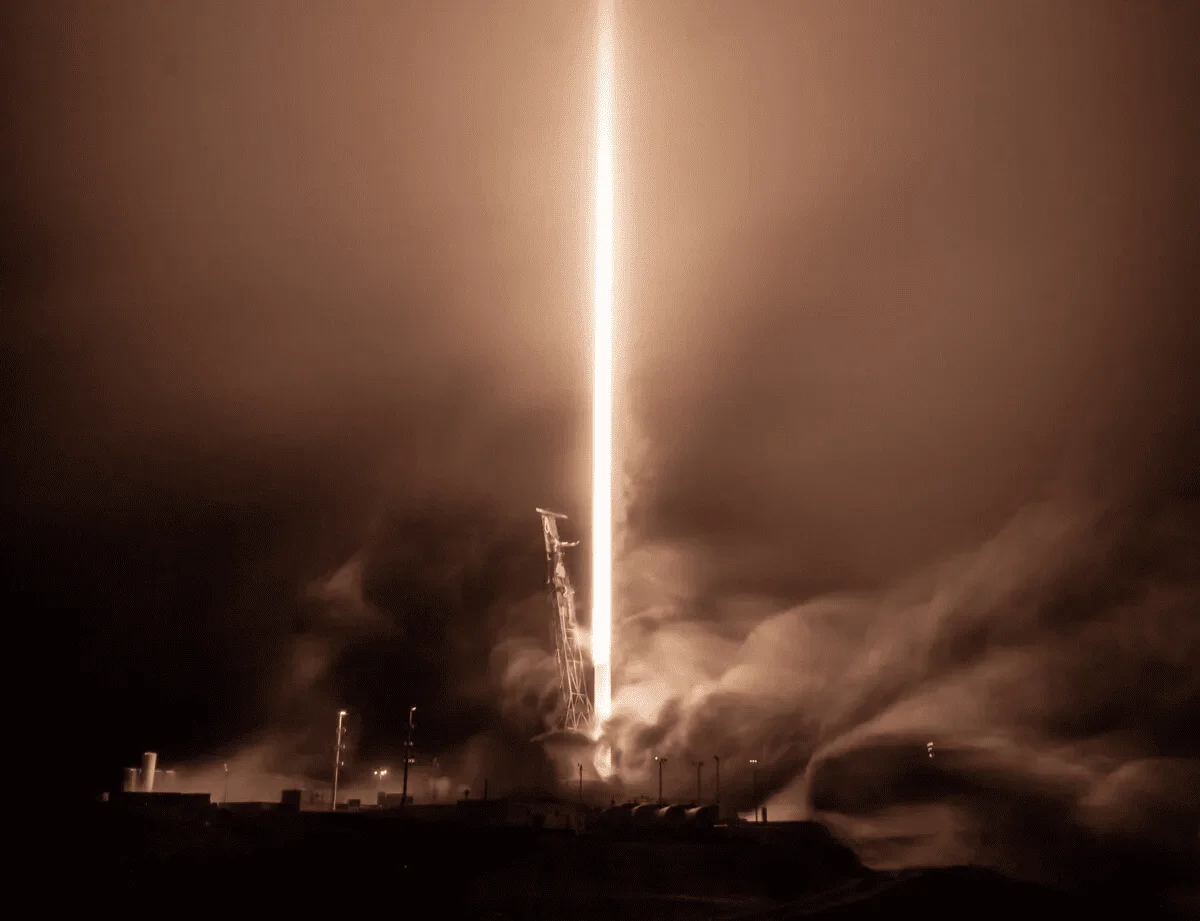
SpaceX is scheduled to perform a “static fire” test on Thursday, in which it will attempt to ignite all 33 engines in the base of the Starship rocket booster. At the FAA’s annual Commercial Space Transportation conference, President Gwynne Shotwell stressed the experimental nature of the launch and the company’s aim to avoid damaging the launch pad. The starship rocket is designed to transport cargo and people beyond Earth and assist NASA in its goal to send astronauts back to the moon.
Last month, SpaceX conducted a “wet dress rehearsal” with the hope of launching the orbital starship as early as this summer, but the timeline for the launch may be pushed back due to delays and regulatory approval. To launch the starship, SpaceX requires a license from the FAA, which it plans to obtain soon.
Although there have been some delays, CEO Gwynne Shotwell stated that “there have been no big problems”. Instead, the company is focusing on improving its production systems in order to produce a rocket that can reach orbit. Currently, this is not possible on a daily basis. Meanwhile, the Starlink satellite internet service is making progress, with over 3,500 satellites launched and over one million subscribers. The service has become financially self-sustaining, with external investments funding SpaceX’s operations when needed.
Static fire tests ignite Starship’s engines while anchored to the ground, allowing engineers to verify propulsion systems and validate fuel flow before attempting orbital launches. These tests reduce flight risks.
Zebra Project Wind Turbine EVs vs Gas Guzzlers EPA Report
The Starship program represents a critical milestone in humanity’s expansion into space. SpaceX’s approach to rapid reusability has already driven costs down significantly, and the upcoming orbital test will validate whether the fully reusable system can achieve the economies of scale needed for regular lunar and Mars missions. Unlike traditional launch vehicles that are discarded after a single use, Starship is designed to return to the launch site under its own power, refuel, and fly again within hours. This rapid turnaround capability could reduce the cost of access to space by orders of magnitude, making large-scale projects like satellite constellations, lunar bases, and eventually Mars settlements economically feasible. The static fire test was a crucial step in this iterative development process, providing engineers with valuable data on engine performance, structural integrity, and propellant management before the vehicle attempts its next orbital flight test.