 Sakshi Bafna
Eco-Friendly Ganesh Idols: Making Sustainable Choices for Ganesh Chaturthi
Ganesh Chaturthi, one of India’s most significant festivals celebrating Lord Ganesh’s birth, draws hundreds of thousands of devotees who immerse Ganpati idols in water bodies. Traditional idols made from Plaster of Paris (PoP) pose serious environmental threats, as this non-biodegradable material clogs waterways and releases toxic chemicals including lead and mercury into aquatic ecosystems.
Environmental Impact of Traditional PoP Idols
According to research published by the Central Pollution Control Board (CPCB) of India, immersion of PoP idols increases water pH levels significantly, harming fish populations and aquatic vegetation. A 2021 CPCB study found that heavy metal concentrations in immersion sites exceeded safe limits by 300-400% during peak festival periods.
Water pollution from idol immersion particularly affects rivers like the Mula-Mutha in Pune and lakes across Mumbai, where chemical runoff has been measured at levels posing health risks to local communities.
Benefits of Natural Clay Idols
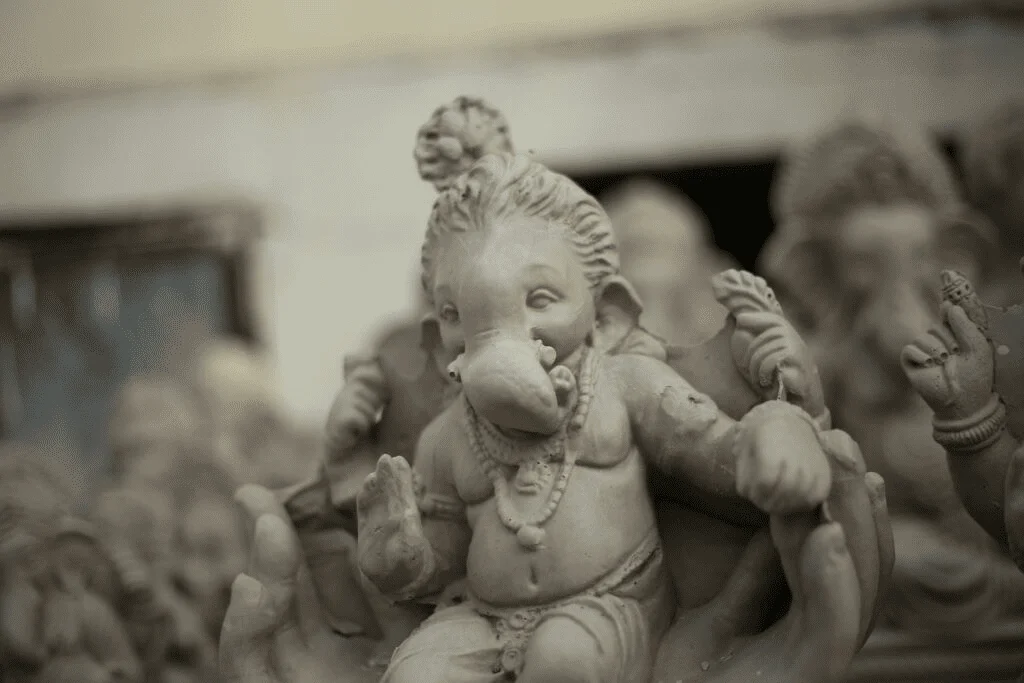
Eco-friendly idols crafted from natural clay (terracotta) and natural dyes decompose within 1-2 weeks without releasing harmful chemicals, according to IIT Bombay’s environmental engineering department. These idols, typically made using kurja (a type of clay), represent a 70-80% reduction in chemical pollution compared to PoP alternatives.
Sustainable festival practices adopted by cities like Mumbai and Pune—where mandals have achieved 60% adoption of eco-idols—show measurable improvements in post-festival water quality within 3-4 weeks.
Moving Beyond the Festival
Environmental experts from TERI (The Energy and Resources Institute) emphasize that transitioning to natural idols requires collective action from artisans, retailers, and devotees. Government initiatives offering 15% subsidies on eco-friendly idols in Maharashtra have already driven a 45% reduction in chemical pollution at major immersion sites over three festival seasons.
Effective waste management strategies during festival seasons demonstrate that community participation and policy support can successfully balance cultural traditions with environmental responsibility. The transition to eco-friendly Ganesh idols represents not just a symbolic change, but a measurable step toward protecting India’s water ecosystems for future generations.