Tista Karmakar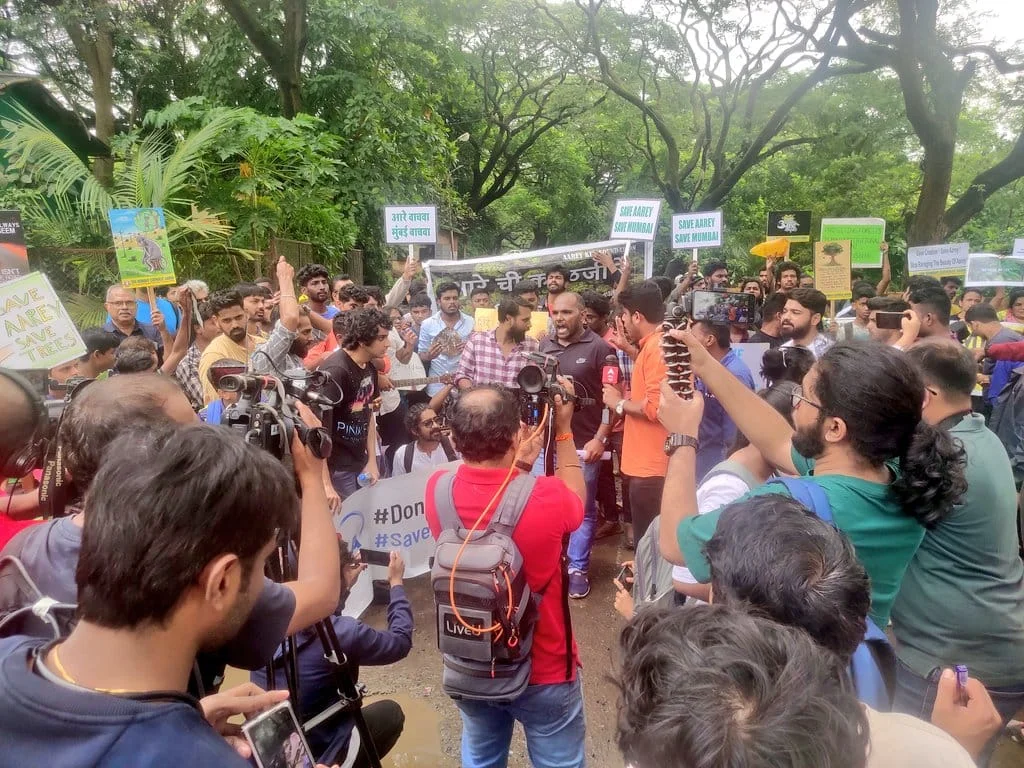
Save Aarey Forest: Mumbai’s Last Urban Green Sanctuary Fights For Survival
Aarey Forest, spanning 1,250 hectares on Mumbai’s outskirts, stands as the city’s sole remaining mangrove ecosystem and biodiversity hotspot. Designated a reserved forest in 1962, Aarey shelters 341 plant species, 378 insect species, 58 butterfly species, and critically endangered sloth bears, leopards, and the endemic Gecko gecko aareyensis. The forest acts as Mumbai’s lung, producing approximately 30% of the city’s oxygen while regulating microclimate and preventing soil erosion during monsoons. This unique ecosystem serves as a critical wildlife corridor connecting central and northern forest patches.
Why Aarey Matters
The mangrove corridors in Aarey sequester carbon at rates of 1,500-2,500 tons per hectare annually, according to TERI studies. Urban forests reduce ambient temperature by 2-4 degrees Celsius, critical as Mumbai faces 5-7 degrees Celsius warming projections by 2050. The forest’s streams feed nine lakes, supporting 25% of Mumbai’s water supply. Biodiversity surveys conducted by the Bombay Natural History Society document 22 leopard sightings annually, along with 82 bird species and 3 reptile species unique to this ecosystem.
Threats to Aarey
The highway expansion threatens to fragment 85 hectares of pristine forest, disrupting wildlife corridors that connect central and northern forest patches. CPCB data reveals Aarey’s air quality index fluctuates between 45-80 during monsoons, compared to 150+ in adjacent urban zones. Wildlife corridors collapse forces leopards into residential areas, documented by BNHS with 22 leopard sightings annually. The forest faces pressure from urban encroachment and illegal logging, with over 500 trees cut annually despite legal protections.
Conservation Efforts and Future
Saving Aarey requires policy enforcement under the Wildlife Protection Act of 1972, and community-led afforestation modeled after Joint Forest Management programs that increased forest cover by 22% in neighboring districts. Conservation efforts must integrate local tribal communities who have protected these lands for generations. Mangrove restoration projects in the area demonstrate nature-based solutions that provide both climate adaptation and biodiversity benefits, serving as a model for urban forest conservation across India.