Nikitha Sebastian
Big Brands Unable To Curb Deforestation And Big Banks Addicted To Fossil Fuels
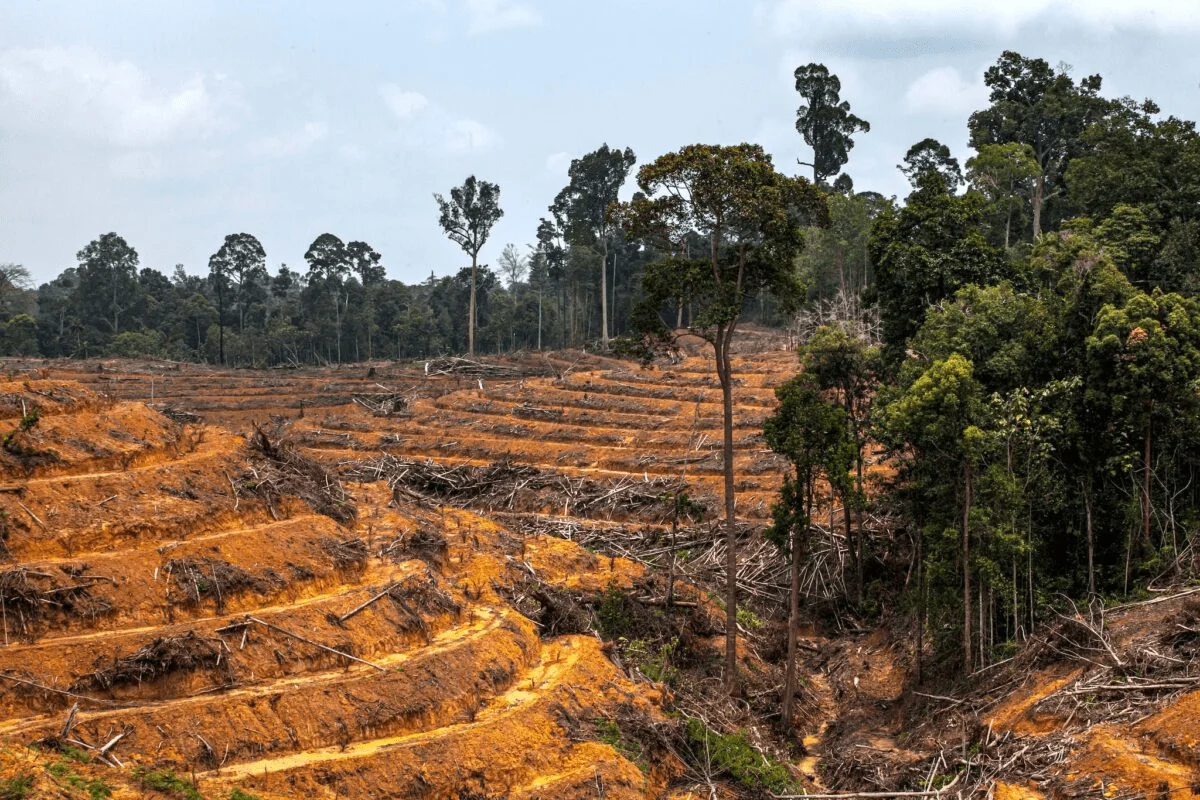
Despite public commitments to net-zero emissions, major global brands continue to source commodities linked to deforestation. Simultaneous analysis reveals that major banks are increasing their financing of fossil fuel projects, creating a dual environmental challenge that undermines climate action.
Corporate Deforestation Footprint
A 2022 report by the Forest Declaration Platform found that 500 multinational corporations committed to deforestation-free supply chains by 2025 are still sourcing palm oil, soy, beef, and paper products from areas linked to forest loss. The Consumer Goods Forum, representing over $10 trillion in annual revenue, acknowledges that 30% of member companies have not yet achieved full supply chain traceability. Major retailers including Nestle, Unilever, and Cargill continue to face criticism from environmental groups for sourcing from concessions linked to Amazon and Southeast Asian deforestation.
Banking Finance and Fossil Fuels
The Rainforest Action Network’s 2022 report shows that the world’s six largest private banks provided $266 billion in fossil fuel financing between January 2022 and September 2022, representing a 13% increase from the previous year. JPMorgan Chase, HSBC, and Citigroup are among the top financiers, despite having net-zero commitments. The contradiction between climate pledges and continued fossil fuel financing has drawn criticism from investors managing $30 trillion in assets under the Climate Action 100+ initiative.
Scientific Evidence
A study in Nature Climate Change led by researchers at the University of Cambridge demonstrated that halting deforestation could provide 20% of the climate mitigation needed to limit warming to 1.5°C. The study estimated the social cost of deforestation at $200 billion annually, factoring in biodiversity loss, carbon emissions, and water cycle disruption. The World Resources Institute estimates that 27% of global emissions come from land-use change, primarily deforestation.
Consumer Pressure and Policy
European Union legislation coming into force in 2023 will require importers to prove their supply chains are deforestation-free. However, enforcement mechanisms remain inconsistent across jurisdictions. A 2022 survey by the International Consumer Protection Enforcement Network found that 70% of consumers are willing to pay more for deforestation-free products, yet only 30% trust retailers’ sustainability claims.
Explore climate and sustainability coverage: India’s circular economy EPR policy and UK’s circular economy growth plan.