Rahul Somvanshi
UK Biodiversity Indicators 2026: Wildlife Declines Unhalted as UK Tracks for Just 3 of 23 National Targets
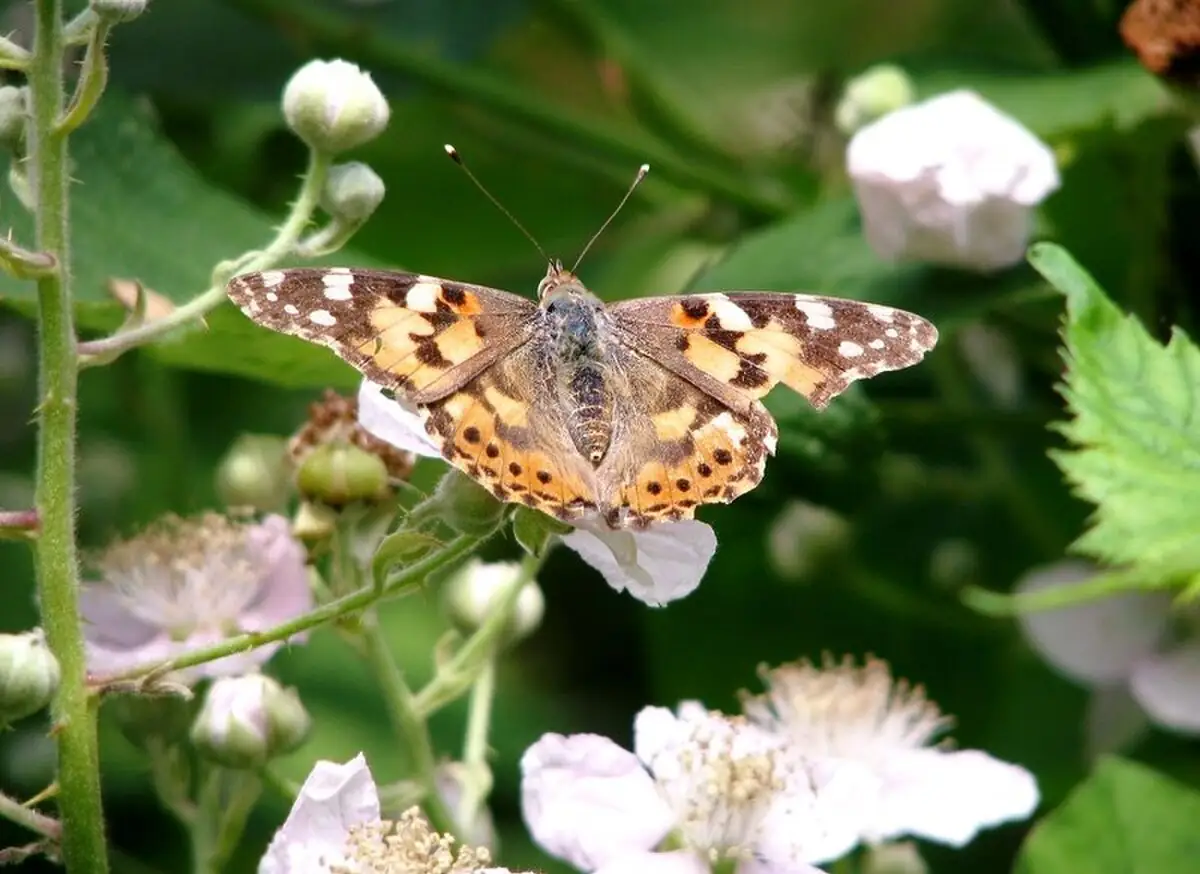
If the birds and butterflies near your home seem less common than they once were, national official data points in the same direction. The UK Biodiversity Indicators 2026 show that some wildlife losses have levelled off. They do not show that nature is recovering. For gardeners, birdwatchers, and anyone who cares about British wildlife, that difference matters. Slowing a decline and reversing it are very different jobs.
The Joint Nature Conservation Committee (JNCC) advises the UK’s governments on nature. JNCC published the 2026 UK Biodiversity Indicators on November 17, 2026, and posted its assessment on November 18. JNCC Chief Scientist Dave Stone wrote that long-term losses remain substantial and that decline has not been halted, although some measures show signs of stabilisation. Declines continue across several bird and butterfly measures.
JNCC also points to the UK’s 7th National Report to the Convention on Biological Diversity, published in March 2026. That report assesses the UK against 23 national targets aligned with the framework’s 23 global targets. It found the UK is on track to meet just three. The framework is a set of global goals for nature, and JNCC published its summary of the UK progress report.
Stabilising the damage is not the same as bringing wildlife back. For UK households, the gap has practical stakes beyond the garden. JNCC cites the 2026 Nature Security Assessment, which warns of cascading risks from biodiversity loss and ecosystem collapse, according to the government assessment. Those include crop failures, intensified natural disasters, and infectious disease outbreaks. In plain terms, that means risks to food, water, health and supply chains, as well as wildlife.
How the UK Biodiversity Indicators 2026 Fit Global Targets
The 7th National Report is the UK’s progress update to the Convention on Biological Diversity, a UN treaty on nature. JNCC prepared and coordinated contributions to the report on behalf of the four UK countries, as well as the UK Overseas Territories and Crown Dependencies. In this context, stabilisation means a decline has levelled off, not that numbers are climbing again. The other 20 national targets are not confirmed as on track: 19 are progressing at an insufficient rate, and progress on one is unknown. The framework sets 2030 targets, and an earlier Karmactive explainer on the 30% by 2030 goal covers the framework’s 23 targets and their 2030 deadline.
JNCC links the results to the Yerevan Pathway. That pathway came from COP17 last month, and JNCC says it needs to accelerate global action for nature. COP17 was held in Yerevan, Armenia, from 19 to 30 October 2026.
JNCC also points to the Nature Security Assessment, published at the start of 2026. It covers global biodiversity loss, ecosystem collapse and national security. That framing treats nature loss as a security issue as well as an environmental one. Field recording also tracks change at local sites, such as the caddisfly recorded at a Welsh wetland.
So what do the 2026 UK Biodiversity Indicators show? Published in November 2026, they show that some wildlife declines have levelled off, but overall biodiversity decline has not been halted. Declines continue across several bird and butterfly measures. JNCC says the UK is on track to meet just 3 of those 23 national targets.
JNCC’s Chief Scientist asks a harder question. Stone raises the issue of “baked in environmental pressures from climate change, pollution, and land and sea use.” That pressure is already locked in. He asks about “a new natural state that is sustainable, resilient, and mitigates societal risks.” The phrase sets out a different goal for policy. The Nature Security Assessment’s warnings about crop failures and disease give that question practical weight. Put simply, the question moves the debate from restoring nature to making it resilient.
The framework’s targets are set for 2030. JNCC’s November 18 assessment leaves the UK short of that milestone, with most national targets still moving too slowly.