Java4Shell CVE Patch Alert: CISA Urges Immediate Patching for Critical Java Flaw
If your company runs Java 17 or newer on a recent Intel Xeon or AMD EPYC server, a Java4Shell CVE-2026-114938 patch alert may matter to you. Attackers can send specially crafted data that crashes Java software and, in some setups, runs their own code, all without logging in. The U.S. Cybersecurity and Infrastructure Security Agency (CISA) issued an alert on November 17, 2026, telling organizations to patch now.
The alert covers CVE-2026-114938, which CISA calls “a critical memory-corruption vulnerability, known as ‘Java4Shell.'” The flaw sits in the Base64 decoder of the x86-64 HotSpot Java Virtual Machine. That is the engine that runs Java programs. That engine runs Java programs. Base64 is a common way to encode binary data as ASCII text, and it appears in logins, file attachments and web tokens. Oracle rates the flaw 8.1 (High) under CVSS v3.1, a 0-to-10 severity scale, in its November 2026 advisory. Red Hat gives a preliminary 9.8 (Critical) under CVSS v3.0 in its security bulletin. Calif, the firm that reported the bug, scores it 9.2 (Critical) under CVSS v4.0. CIRCL, Luxembourg’s incident response center, says OpenJDK and Oracle released security updates on November 17, and Canada’s cyber centre issued its own alert.
For IT and DevOps teams, the risk extends beyond the Java versions you installed on purpose. It covers the same class of hidden enterprise software behind other security test failures. Java often ships inside container images, vendor appliances and third-party applications. CISA warns that those runtimes may not appear as separate entries in software inventories. Until every copy is patched or protected, any internet-facing service that accepts Base64 input may be exposed. That gap resembles the client data exposures vendors disclose after a breach.

Latest from News
FBI Warns Autonomous ARTEX AI Tool Breaches Enterprise Networks in Under Three Hours Across 1,600 Exposed Consoles
The FBI ARTEX AI tool warning applies to any company that runs cloud accounts or admin logins reachable from the internet. The FBI says criminals are using an open-source AI framework called
Epstein Autopsy 3D Biomechanical Review Challenges Suicide Ruling While NYC Medical Examiner Reaffirms Findings
A new presentation by forensic medicine professor Dr. Michael Freeman has renewed online claims about Jeffrey Epstein’s death, but it has not changed the official finding. Freeman was scheduled to present a
Justice Department Charges Fifteen in National VA Benefits Takedown as Houston Official Faces Fraud Counts Over 1,400 Purchases
The U.S. Department of Justice, the Department of Veterans Affairs, and the VA Office of Inspector General have announced coordinated federal criminal charges against 15 defendants across the country accused of defrauding
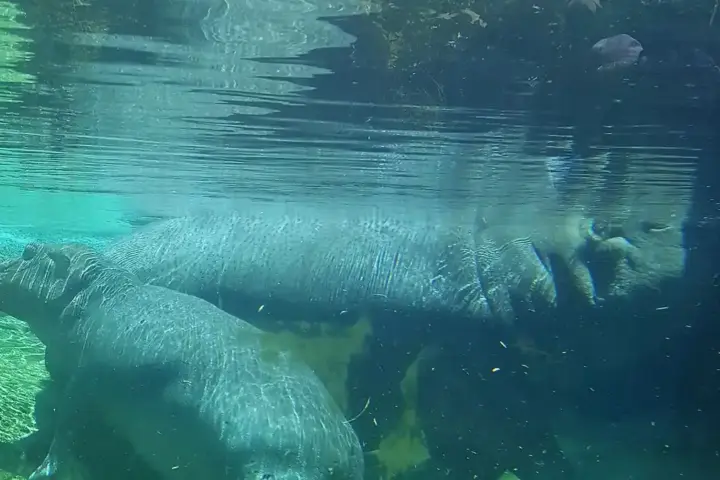
Cincinnati Zoo Rules Out Surgery for Fiona After “Clearly an Accident” Fan Toss Sends Hat Through One-Foot Exhibit Gap
Fans of Fiona, the Cincinnati Zoo’s best-known Nile hippopotamus, are closely following her health after she swallowed a knit hat. The zoo says she is receiving continuous veterinary monitoring and supportive medical
Canada Alert Ready Test Sounds Across Thirteen Regions as Officials Explain Why Certain Mobile Phones Stayed Quiet
Canada’s national emergency alerting system, Alert Ready, is conducting a scheduled nationwide test today, Wednesday, November 18, 2026. Test notifications will be broadcast across television, radio, and compatible LTE and 5G mobile
Optimizely Script Hijack Hits 178 Sites as Malicious Code Silently Intercepts Checkout Forms and Crypto Wallets
If you visited BBC, CNN, Zoom, HSBC, Equifax, IKEA, Ledger or another major site on Nov. 16, the first question is whether you entered card details, copied a crypto address or used

US Loses Measles Elimination Status: 26 Years Reversed as MMR Vaccination Rates Drop
On November 17, 2026, the Pan American Health Organization officially revoked the United States’ measles elimination designation. The country had held this status since 2000. It took 26 years to build and
JPMorgan Chase Software Bug Outage Stalled Zelle Payments at Bank of America, U.S. Bank, and Wells Fargo
JPMorgan Chase says its systems have recovered after Monday’s five-hour software-bug outage, which disrupted online banking and delayed some transfers. The bank called it “a temporary issue related to a software bug
FEMA Emergency Alert System Test Interrupted TV and Radio at 2:20 p.m. ET Without Triggering Cell Phones
FEMA and the Federal Communications Commission ran a nationwide Emergency Alert System test on Tuesday, Nov. 17, at 2:20 p.m. ET. It reached television, radio, cable, satellite and wireline video services. Consumer
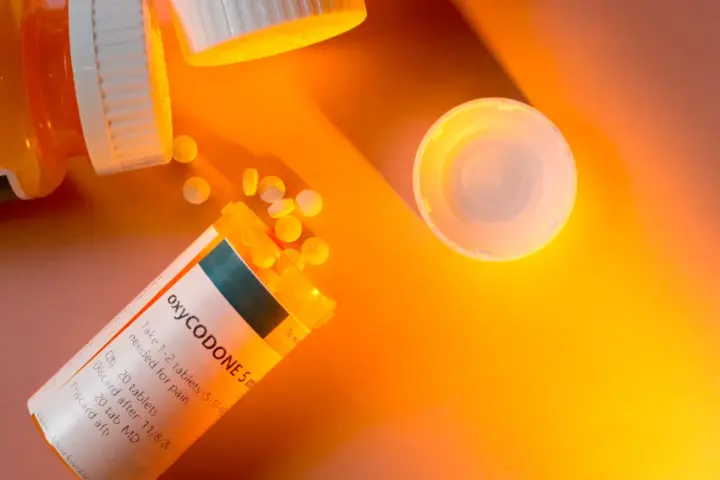
Propranolol Recall 2026: Breckenridge Pulls Lot PK25110035 Over Metal Particle Risk
If you take generic extended-release propranolol for high blood pressure, migraines, or heart conditions, check your medicine cabinet immediately. One nationwide 100-count lot—PK25110035, expiring May 2029—has been recalled by Breckenridge due to
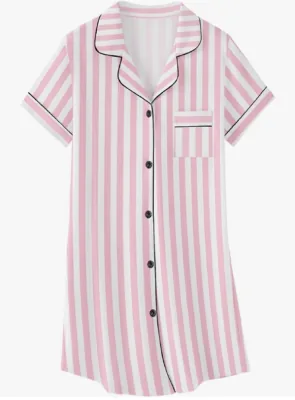
Umeyda Children’s Nightgown Recall (CPSC #26-073): Side-Seam Label Check & Amazon Refund
Umeyda Children’s Nightgown Recall (CPSC #26-073): Side-Seam Label Check & Amazon Refund If you bought a $19 cotton nightgown for a child on Amazon this year, check the dresser now. The U.S.

Analog Quantum Simulation Verification: 51-Ion System Earns Certified Error Bounds
**Scientists Address analog quantum simulation‘s verification Challenge With Certified Error Margins on a 51-Ion System** When a trapped-ion quantum simulator scales beyond roughly 50 ions, verifying its outputs with classical methods becomes

Criblike Mattress Recall (XCD-001, XCD-002, MNCL-001): Amazon Suffocation Risk & Refund Steps
Criblike Mattress Recall (XCD-001, XCD-002, MNCL-001): Amazon Suffocation Risk & Refund Steps If you bought a white Pack and Play mattress or mini-crib mattress on Amazon between June and September 2025, check
Family Dollar $63 Million FTC Settlement: How the $40M Refund Fund and $20M Discounts Work
FTC and 17 states have secured a proposed $63 million stipulated order with Family Dollar over allegations that thousands of stores routinely charged higher prices at the register than displayed on shelves,
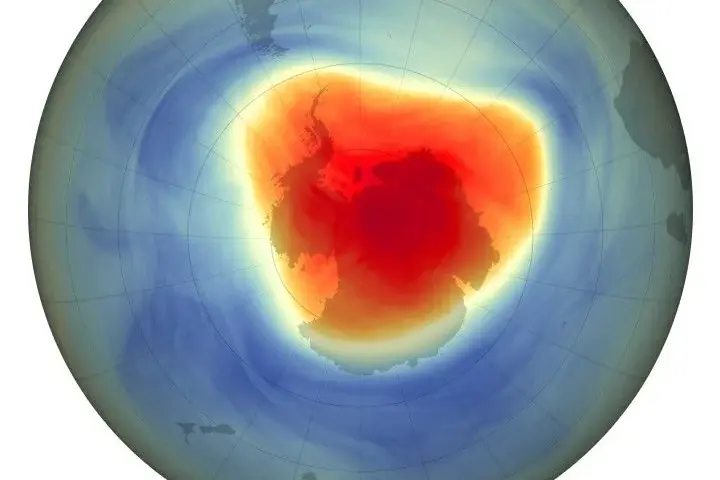
2026 Ozone Hole Largest in a Decade: NOAA & NASA Say Recovery on Track
2026 Ozone Hole Hit 10.5 Million Sq Mi, Largest in a Decade: Why NOAA Says Recovery Is Still on Track The largest Antarctic ozone hole in ten years just appeared in NOAA