Sunita Somvanshi
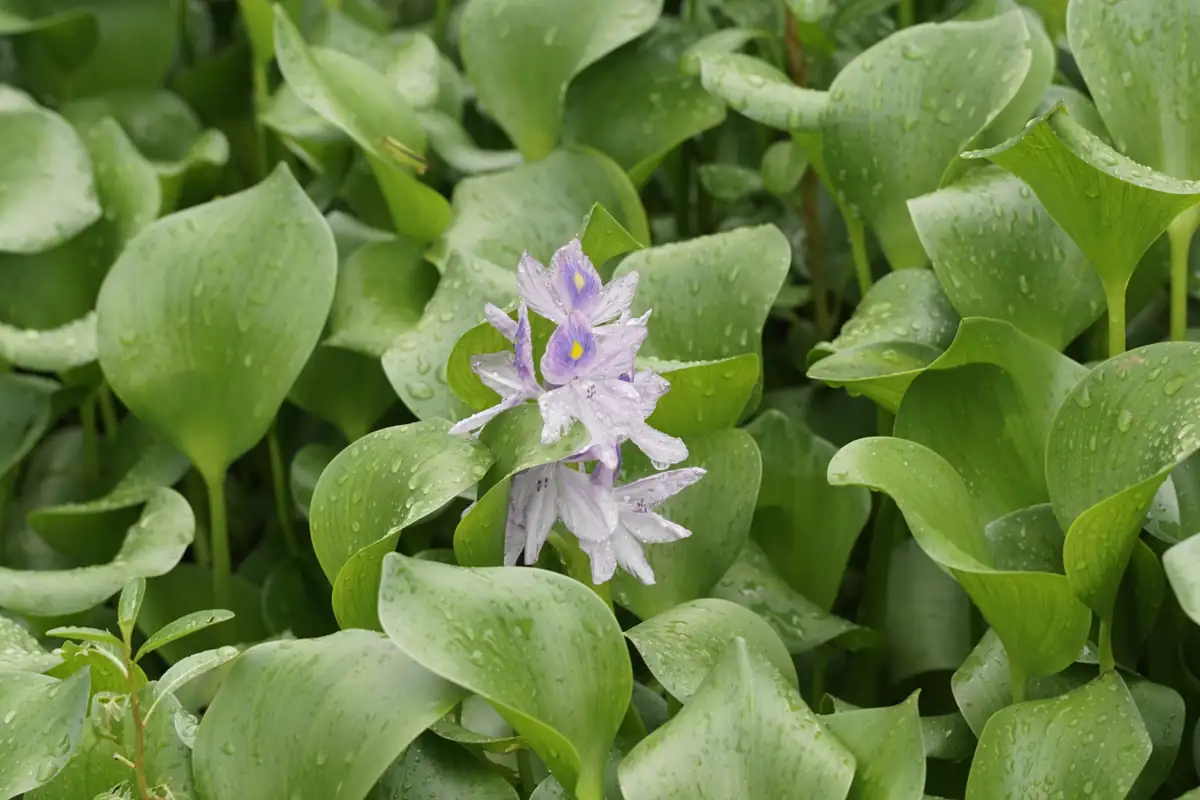
Water hyacinth can spread across freshwater, making fishing and transport harder for communities that depend on lakes and rivers. A Kenyan company, HyaPak, is using the plant as a raw material for packaging rather than treating it only as waste.
HyaPak says it harvests water hyacinth, dries the plant material and combines it with binders and additives to make packaging materials. The company does not publicly specify the chemistry of that process. Its website lists seedling bags, mailers, carton linings and floral wrap among the uses it is developing.
The project is led by Joseph Nguthiru, who was named a 2025 Young Champion of the Earth by the United Nations Environment Programme. The award recognises young people working on environmental solutions. HyaPak grew out of work connected to Egerton University in Kenya, according to the company.
What is known about HyaPak’s packaging claims
HyaPak says its products can biodegrade in three to 12 months. That timeframe is a company claim. No independent certification or laboratory test supporting that exact range was identified for this report, so it should not be treated as a universal performance standard.
That distinction matters for anyone assessing a plastic alternative. How a material performs can depend on its design, the product it is replacing and the conditions where it is used or discarded. HyaPak’s listed products are specific applications. They do not establish that one material can replace every form of conventional plastic packaging.
The idea of using an invasive plant has two parts. Removing water hyacinth may help clear space on affected waterways. Turning harvested material into a product can also create a reason to collect it. An Africanews report said HyaPak contracts local fishermen to harvest the weed, without detailing pay figures.
The environmental case for the material will depend on evidence beyond the plant’s origin. Independent testing could show how the packaging performs in use, how it breaks down and whether its full production process has a lower impact than the products it aims to replace. Until then, HyaPak’s biodegradation timeframe and broader performance claims remain its own statements.
There is still a need to reduce plastic waste, as projects such as Amsterdam’s Bubble Barrier show from another part of the waste stream. HyaPak offers a different approach: using a troublesome plant as a possible material input. Its next test is whether independent evidence can confirm the performance claims needed for wider use.