Sunita Somvanshi
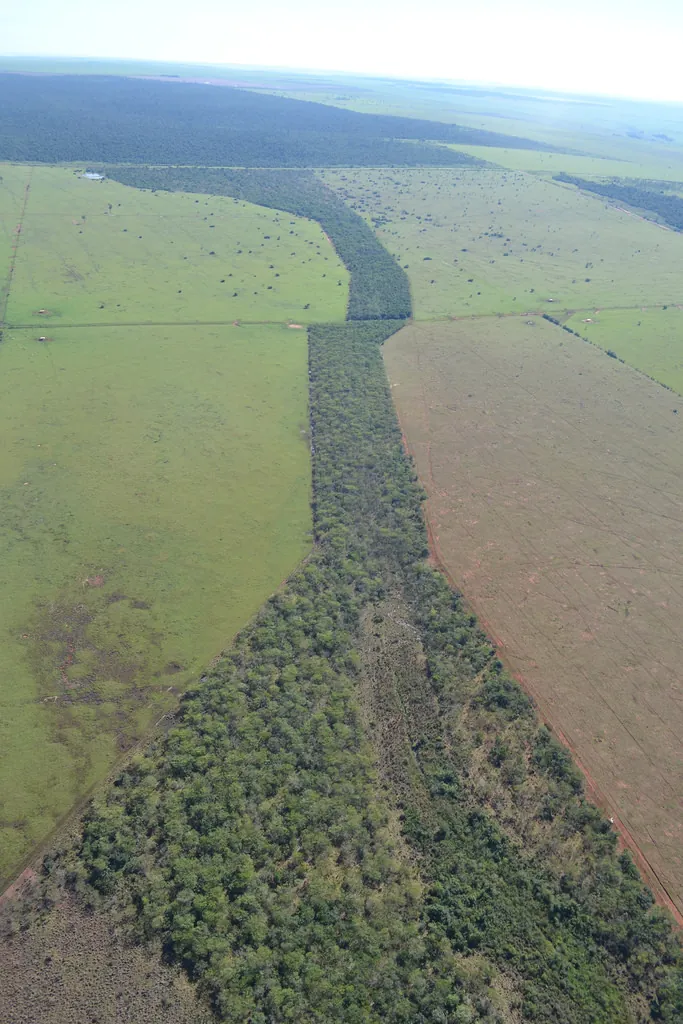
Conservation decisions often begin with a difficult question: which places matter most for keeping species and ecosystems from disappearing? The international Key Biodiversity Areas (KBA) programme is one answer. It identifies sites that make an especially important contribution to the global persistence of biodiversity, using a published scientific standard rather than a simple scenic-value or popularity test.
A recent Instagram reel describes KBAs as a blueprint for directing conservation action and says that more than 16,600 sites have been identified. The core idea is supported by the KBA Partnership’s work, but the precise total should be treated as a time-sensitive figure: the Partnership’s public materials describe a global network of more than 16,000 KBAs, while databases and assessments continue to change as sites are identified, revised or updated.
What makes a place a Key Biodiversity Area?
KBAs are places that meet one or more globally standardised criteria related to biodiversity. The 2016 Global Standard for the Identification of Key Biodiversity Areas, produced through the IUCN framework, sets out five broad criterion groups. They cover threatened biodiversity, geographically restricted biodiversity, ecological integrity, biological processes such as aggregation or migration, and irreplaceability shown through quantitative analysis.
That is an important distinction. A KBA is not automatically a protected area, and a protected area is not automatically a KBA. The designation identifies the site’s biodiversity significance; governments, Indigenous peoples and local communities, landholders and conservation organisations still determine what protection, restoration or management is appropriate and lawful in a particular place.
Why the standard matters
The KBA Standard was adopted in 2016 to provide a common, transparent basis for identifying internationally important sites. It brought together earlier approaches, including Important Bird and Biodiversity Areas and Alliance for Zero Extinction sites, while allowing assessment across species groups and ecosystems. The methodology requires documented evidence, defined spatial boundaries and a review process, so that a site’s importance can be examined and updated.
For planning, the information can help governments and other decision-makers avoid or reduce damage to places that hold a high proportion of a threatened species, an exceptional concentration of restricted-range biodiversity, or a critical life-cycle event. It can also inform restoration priorities, environmental-impact assessment and finance decisions. Identification alone, however, does not guarantee funding or prevent habitat loss.
Technology can support the work — but it is not the test
The reel refers to satellite monitoring and citizen science. These tools can contribute useful observations, mapping and monitoring when their data are assessed appropriately. But a KBA is recognised through the published criteria and evidence requirements, not simply because an area has satellite coverage or a large number of public observations. Reliable identification depends on taxonomic knowledge, site data, local expertise and transparent documentation.
That nuance matters when people encounter a claim online about a newly important place. A species sighting, a dramatic landscape or a community campaign may be valuable leads, but they are not by themselves confirmation that the location has been assessed as a KBA. The KBA Partnership’s World Database of Key Biodiversity Areas is the useful starting point for checking the status of a specific site.
From maps to action
KBAs are intended to make conservation choices more evidence-led. They can highlight places where habitat protection, ecological connectivity, community stewardship, research or restoration may have outsized importance. Effective outcomes still depend on rights-respecting governance, local participation, enforcement where needed and long-term resources.
The reel’s broader message is therefore sound: globally important biodiversity sites need attention before they are lost. The strongest way to act on that message is to use the KBA database and its underlying evidence, support locally grounded conservation, and distinguish a formal KBA assessment from an unverified social-media claim about a site.
Sources
- IUCN, A Global Standard for the Identification of Key Biodiversity Areas (2016)
- Key Biodiversity Areas Partnership
- World Database of Key Biodiversity Areas
Source reel: https://www.instagram.com/reel/DeuCFHCBaYd/