Rahul Somvanshi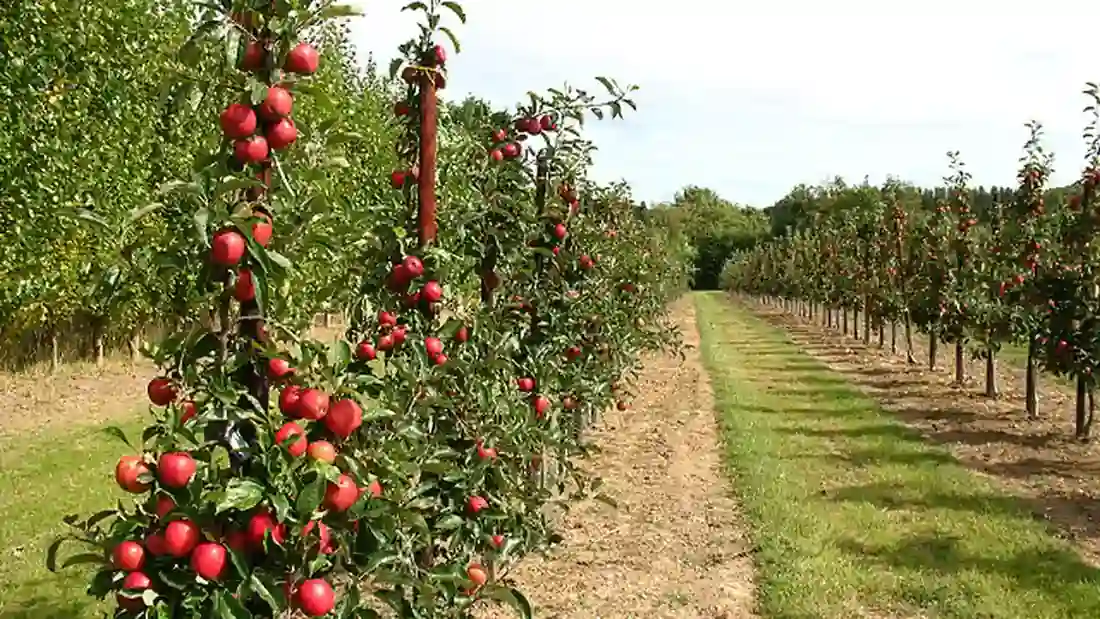
Planting a fruit tree with companion plants can make a garden more diverse and productive, but a “food forest guild” is not a magic formula. The viral advice has a sound principle: use layers of compatible plants to cover soil, provide harvests and support beneficial insects. The results depend on climate, soil, water and—most importantly—spacing.
Shrubs, herbs, ground covers and root crops can all fit around a fruit tree, but young trees need room, sunlight and reliable water while they establish. Dense planting too close to the trunk can compete for moisture and nutrients, shelter rodents or make disease monitoring harder.
Leguminous plants can host nitrogen-fixing bacteria, but not every fast-growing tree does so. Strongly scented herbs may attract pollinators and beneficial insects, yet they do not reliably “repel” all pests. Use them as part of integrated pest management, alongside observation, sanitation and suitable varieties.
How should a beginner start a fruit-tree guild? Begin with mulch and a clear weed-free ring around the trunk. Add one or two low-competition companions outside that ring, then expand only after seeing how the tree responds through a season. Choose plants suited to the same sun, water and winter conditions.
Ground covers can reduce bare soil and erosion, while crops such as perennial onions, herbs or berries may add food. Tubers can be productive, but vigorous species such as Jerusalem artichoke need boundaries so they do not overwhelm smaller plants.
The goal is a resilient planting, not maximum density on day one. A well-designed guild can reduce some maintenance and add biodiversity, but it still needs pruning, watering, mulch and regular checks. Let the fruit tree’s health set the pace.