Rahul Somvanshi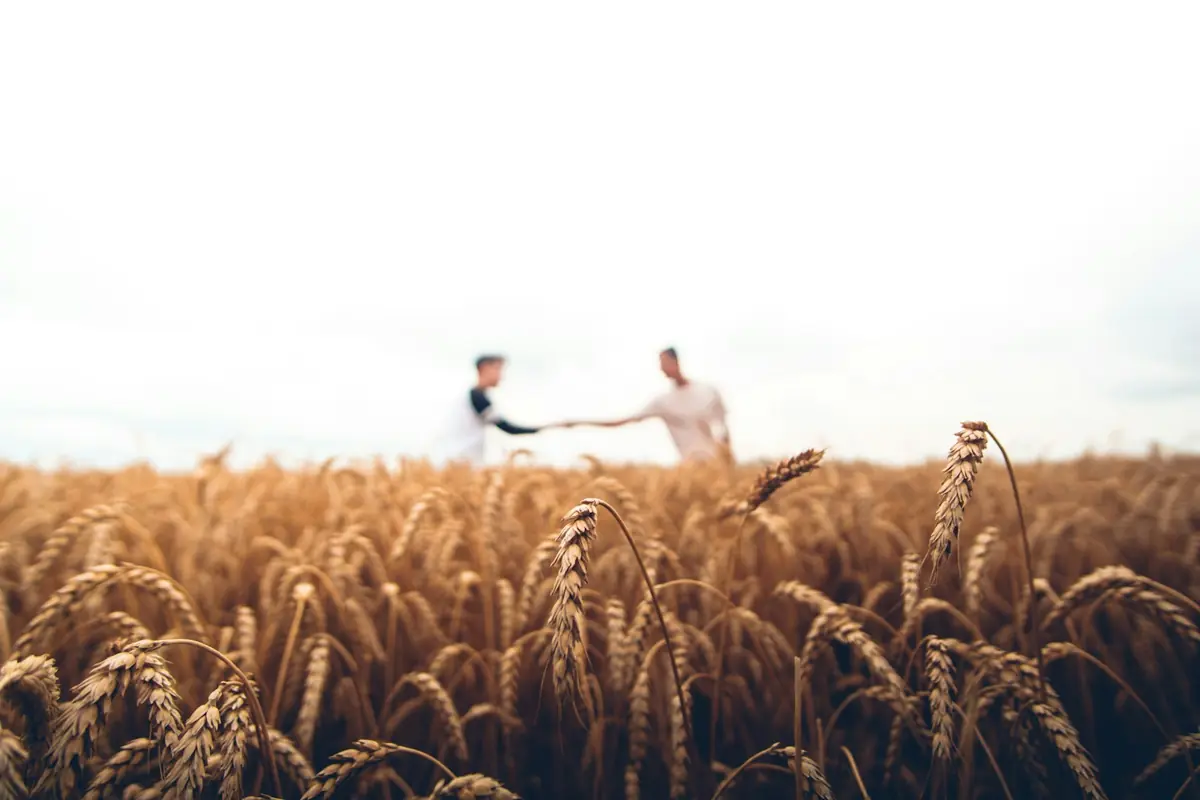
A 220-acre block of farmland on 192nd Street in Surrey, British Columbia, has received another year of protection from development, according to the farming family working the land. But the family says the reprieve is temporary and that the long-term future of the property remains unresolved.
Tyler Heppell, a fifth-generation Surrey farmer known online as Potato Ty, has led a public campaign to keep the land in agriculture. Heppell says the site produces early-season potatoes, carrots and cabbage, when local supply can reduce reliance on imported produce. The family has also said it donated large quantities of food to the community, including produce from the contested land.
The campaign gathered more than 90,000 signatures, according to Heppell, who told followers that he spoke in Ottawa in May about protecting the farmland. Those figures and the farm’s donation totals are claims from the family and have not been independently audited by Karmactive.
A one-year reprieve, not a final decision
The current update is not a permanent agricultural designation or a final rejection of warehouse development. It means the land has another year of farming while the broader planning question remains open. That distinction matters to nearby residents, food-security advocates and businesses seeking industrial land.
Surrey’s planning system includes public planning reports for development proposals. Some nearby 192nd Street projects have involved industrial uses, while parts of the corridor also intersect with land subject to Agricultural Land Reserve rules. Any permanent change affecting protected agricultural land requires the relevant formal planning and land-use processes.
For the Heppell family, the case is about more than one crop cycle. Their argument is that high-quality farmland close to Metro Vancouver can supply food during seasons when the region otherwise relies more heavily on imports. Developers and municipal planners face a competing demand for industrial and warehouse space in one of Canada’s fastest-growing urban regions.
Has the Surrey farmland been saved permanently? No. The family says it has secured another year to farm the property, but the final land-use outcome has not been decided. The campaign for permanent agricultural protection is continuing.
The next test will be whether the land receives lasting protection through formal land-use decisions. Until then, the 220 acres remain an active example of the wider conflict between urban-industrial expansion and local food production in Metro Vancouver.