 Tejal Somvanshi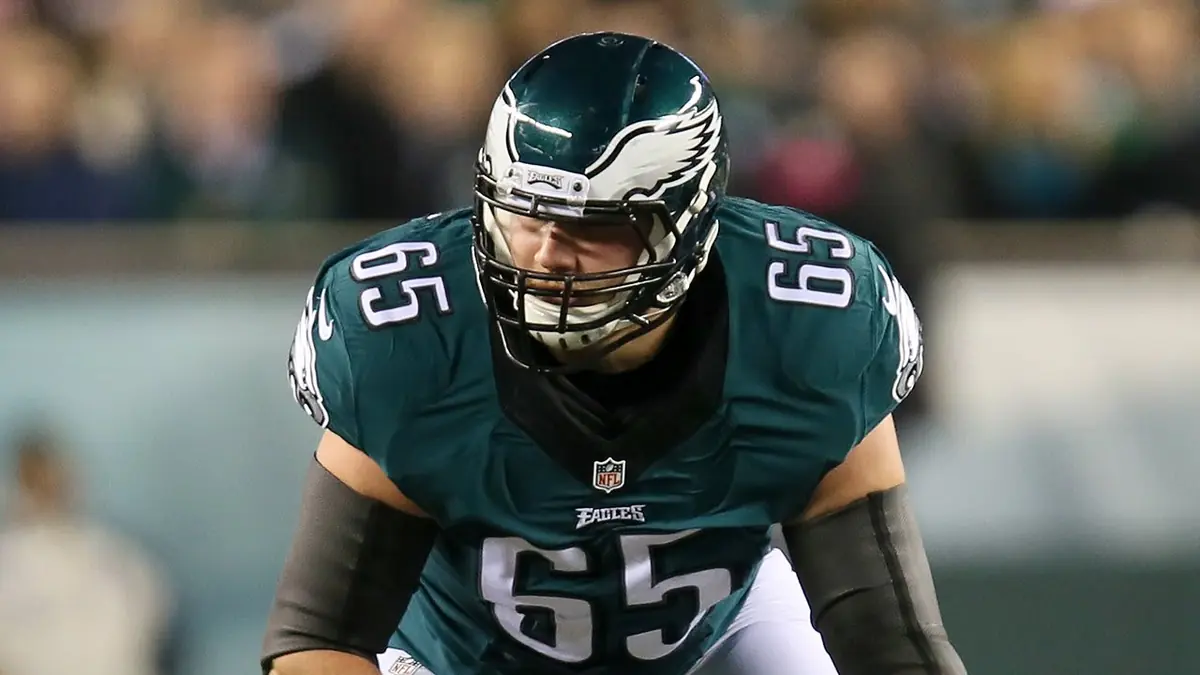
Philadelphia Eagles offensive tackle Lane Johnson has retired mid-season, stepping away from professional football after 14 years and two Super Bowl championships to prioritize his mental health and personal wellbeing. Johnson, 36, announced the decision following a personal leave that kept him out of the Eagles' recent game against the Los Angeles Rams — making him one of the few elite offensive linemen in modern NFL history to walk away from professional football while still performing at an elite level.
Johnson spent his entire 14-season NFL career with the Philadelphia Eagles, earning five AP All-Pro selections and six Pro Bowl invitations. He won Super Bowl championships with the Eagles after the 2017 and 2024 NFL seasons (Super Bowl LII and Super Bowl LIX). He had started all three of the Eagles' games in the 2026 season before taking personal leave ahead of the Rams matchup. The Eagles confirmed the retirement and identified rookie Markel Bell as in line to start at right tackle going forward. Johnson's career record places him among the most decorated right tackles of his generation per Pro Football Reference.
For the Philadelphia Eagles and NFL fans, Lane Johnson's departure immediately destabilizes one of the league's premier offensive lines mid-season. Without Johnson, the Eagles face an adjustment period for quarterback protection against elite edge rushers. Fantasy football managers should account for reduced Eagles offensive line continuity in the short term, while the franchise must accelerate Bell's development or explore options at the trade deadline ahead of a playoff run.
Johnson had been publicly open about his mental health since 2021, when he disclosed a serious battle with anxiety and depression. His decision to retire in 2026, per the Eagles' announcement, reflects his mental health and personal and family priorities. The timing, mid-season, reflects a deliberate choice rather than a forced one. The NFL's expanded player wellness and mental health resources, developed substantially since 2020, have made it considerably more viable for active players to acknowledge psychological factors openly in retirement decisions.
In an era when offensive linemen routinely absorb chronic physical damage to honor multi-year contracts, Johnson's decision sets a meaningful precedent. It follows a lineage of elite players — including Andrew Luck — who chose long-term health over statistical milestones.
On why Lane Johnson retired: Philadelphia Eagles offensive tackle Lane Johnson retired mid-way through his 14th NFL season to prioritize his mental health and personal wellbeing. Having previously spoken openly about his struggles with severe anxiety, Johnson decided to step away from professional football to focus on his health and family life.
Teammates and coaching staff, including head coach Nick Sirianni, offered tributes in the wake of the announcement. Johnson will become Hall of Fame eligible in 2032; his five All-Pro selections make him a strong candidate. The Eagles face immediate decisions at right tackle before the trade deadline.
Related coverage: athlete health and personal milestones; Karmactive mental health coverage. For primary-source context, see Philadelphia Eagles newsroom.