Sunita Somvanshi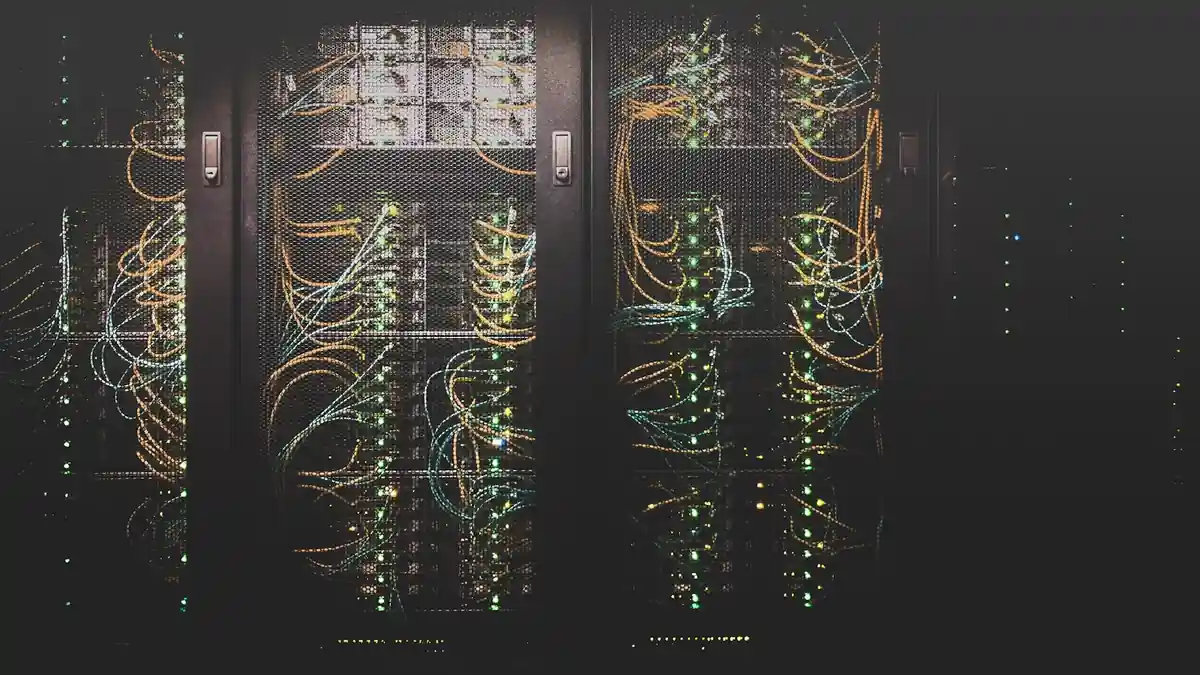
$300M Nvidia Server Case: How US Prosecutors Allege AI Chips Reached China
Hook
A California technology executive was arrested and charged with running a scheme to export more than $300 million in advanced Nvidia computing servers to China, bypassing U.S. national security export controls. Federal prosecutors allege he used intermediary companies in Malaysia and Singapore and falsified end-user documentation to disguise the servers' final destination. The case marks an aggressive enforcement action against alleged smuggling of export-controlled computing hardware.
Core Facts Block
Greg Lui, also known as Yiu Kong Lui, 38, of San Gabriel was arrested by federal authorities and charged with export control violations and money laundering in connection with a scheme allegedly involving more than $300 million in export-controlled high-end computing servers.
The U.S. Department of Justice alleges that Lui and co-conspirators acquired high-performance computing servers from equipment manufacturers, routed them through Malaysia and Singapore, and then re-exported them to China-based buyers without the required export licenses.
The indictment charges one count of conspiracy to violate the Export Control Reform Act and Export Administration Regulations, one count of outbound smuggling, and one count of conspiracy to commit money laundering. These charges carry maximum penalties including up to 20 years imprisonment on the conspiracy charges, 10 years on smuggling, and 20 years on the money-laundering conspiracy.
The federal indictment is an allegation; the defendant is presumed innocent. Lui was expected to appear for arraignment in U.S. District Court for the Central District of California.
Consequence Paragraph
Technology enterprises, cloud vendors, and global hardware distributors now face substantially heightened scrutiny on international server shipments and end-user compliance. Companies operating overseas computing infrastructure must urgently audit third-party reseller tiers and verify end-user certificates to avoid criminal liability under expanding U.S. semiconductor export controls. The enforcement action signals the Department of Justice will pursue individuals and businesses facilitating alleged illegal diversion schemes targeting Chinese recipients.
Depth Block: The Alleged Smuggling Scheme and Enforcement
Alleged Modus Operandi
According to the Department of Justice, Lui's operation allegedly:
- Acquired high-performance computing servers from tier-1 equipment manufacturers
- Routed shipments through Malaysia and Singapore as intermediary points
- Used falsified documentation misrepresenting end users and destinations
- Re-exported the servers to China-based buyers
- Avoided required export licenses through the misrepresentation
The DOJ describes this as a violation of the Export Control Reform Act and International Emergency Economic Powers Act provisions governing high-performance computing equipment.
Why These Servers Matter
High-performance computing servers containing U.S.-manufactured GPUs are restricted from export to China under U.S. national security authority. These restrictions are part of broader U.S. strategy to maintain technological advantage in artificial intelligence and computing capabilities. Individual servers can be restricted under licensing regimes administered by the Department of Commerce Bureau of Industry and Security.
Alleged Scale of Operation
The indictment alleges more than $300 million in computing servers were involved. The DOJ specifies activity from 2023 through 2024. The exact number of servers and shipments is detailed in the indictment but not fully released in the public charges summary.
Enforcement Escalation
The Department of Justice's Disruptive Technology Strike Force was created specifically to pursue export control violations and technology theft. This case signals aggressive enforcement against:
- Individual executives orchestrating diversion schemes
- Intermediary front companies and shell entities
- Falsified shipping documentation and customs fraud
- Supply-chain manipulation across multiple countries
What Companies Should Do Now
Enterprises engaged in legitimate international computing hardware distribution should:
- Audit all third-party distributors and resellers, particularly in Southeast Asia
- Verify end-user certificates and cross-reference them with legitimate company registration records
- Track hardware serial numbers through the supply chain
- Report suspicious requests to the Department of Commerce
- Implement enhanced due diligence for customers in restricted countries
Next Steps in the Case
Arraignment hearings are scheduled in the Central District of California. The case will proceed through the federal criminal justice system.
Key Question
Why are advanced Nvidia servers restricted from export to China?
U.S. export controls restrict advanced computing servers to prevent China from advancing artificial intelligence and military applications. The Department of Commerce maintains strict licensing requirements for these servers under national security authority as part of broader U.S. strategy to maintain technological advantage.
Closure
The Department of Justice is expected to pursue additional individuals and companies involved in similar smuggling schemes. Arraignment hearings are scheduled in the Central District of California. The case underscores that export control violations carry serious criminal penalties—prosecutors are pursuing not just manufacturers but facilitators and middlemen in the supply chain.