 Tejal Somvanshi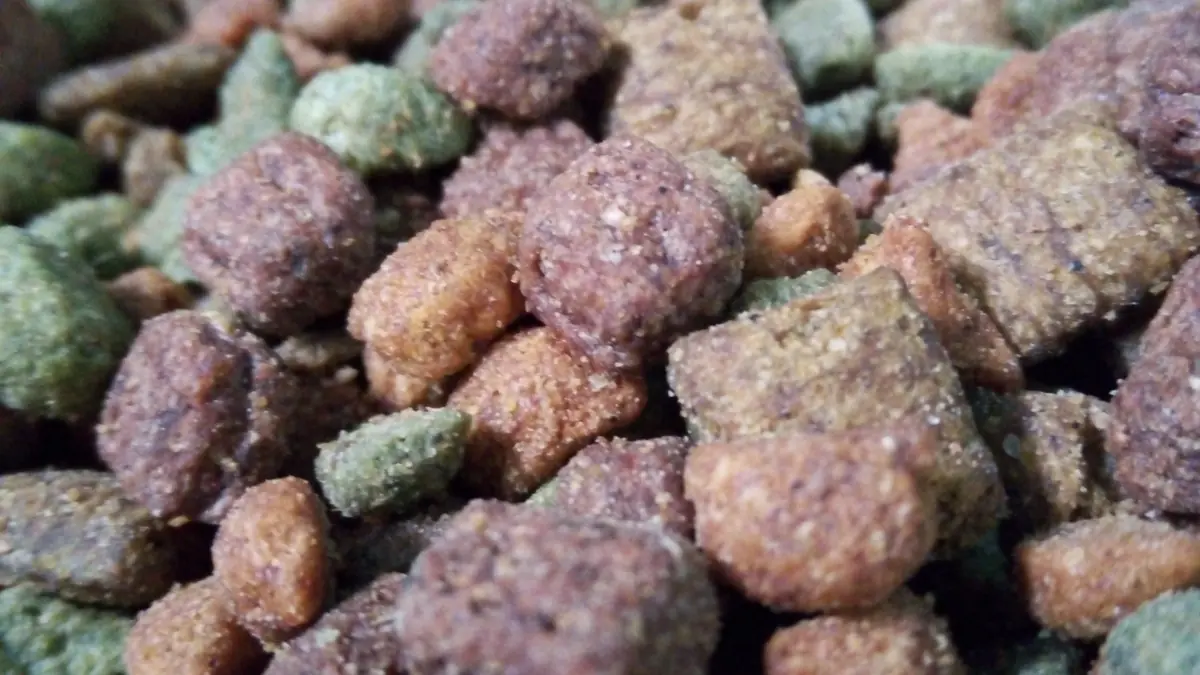
If you feed your cat commercial wet or dry food, a new investigation released October 2 found detectable levels of heavy metals in the vast majority of products tested — including lead, arsenic, cadmium, and mercury. The findings span 100 products from 62 brands across multiple price tiers and food formats, and the data points to a consistent pattern: fish-based formulas carry the highest mercury and arsenic concentrations.
Cat food contaminants were measured in a new Clean Label Project investigation covering 100 products from 62 brands, tested against more than 122 substances. Heavy metals were detected across all product formats — wet food, dry kibble, and freeze-dried varieties. The Clean Label Project reported higher mercury and arsenic concentrations in fish-based products than in formulas using other protein sources. Glyphosate residues and industrial plasticizers, including BPA and phthalates, were also detected. Two independent peer-reviewed studies published in 2026 add scientific context: a Veterinary Research Communications paper analyzed 300 dry cat foods for arsenic, cadmium, copper, iron, and lead across different protein sources; a separate Environmental Research study examined microplastics in commercial dry pet food.
Do not abruptly stop feeding your cat or switch proteins suddenly. In cats, sudden dietary disruption — particularly stopping food intake — can trigger hepatic lipidosis, a potentially life-threatening liver condition. Review the primary protein in your cat’s current food and discuss any concerns with your veterinarian before making changes. Heavy metals concentrate most heavily in fish-based formulas because marine predators accumulate these elements through years of eating smaller contaminated fish.
What the Investigation Actually Found — and What It Doesn’t Prove The Clean Label Project tested for 122-plus contaminants and found heavy metals present across most products. The organization itself notes an important limitation: detecting a contaminant at any level is not the same as the product exceeding a regulatory limit for pet food. Heavy metals exist naturally in soil and marine sediments, meaning some background presence is expected in any animal-derived food. The question of chronic low-level exposure over a cat’s 15-year lifespan is a different issue from a single product breaching an acute safety threshold — and that longer-term question is where the available evidence is thinner.
The Clean Label Project is a nonprofit consumer testing organization, not a peer-reviewed research body. Its findings are useful for identifying patterns and asking harder questions of manufacturers. The 2026 peer-reviewed studies in Veterinary Research Communications and Environmental Research provide independent scientific context on specific protein sources and microplastics, without rendering an overall verdict that commercial cat food is broadly unsafe.
Why Fish-Based Foods Carry Higher Metal Concentrations Ocean fish — tuna, salmon, mackerel — sit at or near the top of marine food chains and accumulate mercury, arsenic, and related metals from the fish and smaller organisms they eat throughout their lives. A cat eating tuna-based food daily receives a concentrated dose of whatever those fish collected over years at sea — a process called bioaccumulation.
This is why premium or organic labeling does not automatically translate to lower heavy metal content. Marketing designations and contaminant concentrations reflect different things. A premium tuna wet food and a budget tuna wet food can carry similar mercury burdens because the metal comes from the ocean ecosystem, not from the manufacturing process. The peer-reviewed Veterinary Research Communications study found differences in metal concentrations by protein source: cadmium was higher in fish-based and red-meat diets than in poultry-based diets, while copper and iron were higher in poultry-based diets.
Heavy metals in ocean environments enter the marine food chain through waterways, atmospheric deposition, and natural geological processes — making marine bioaccumulation a consequence of multiple sources. For cat owners in the US, UK, and Australia feeding fish-heavy diets, the connection between ocean contamination and what ends up in a food bowl is direct.
The gap currently missing in regulatory oversight is a mandatory heavy metal testing requirement or maximum limits specifically designed around the cumulative dietary exposure profile of a cat eating the same food every day for a decade or more.
For Karmactive’s previous coverage of pet food safety concerns, including Salmonella contamination in raw cat food and H5N1-related recalls affecting pet products, see our pet food safety reporting archive. For the Clean Label Project’s full searchable product listings, the organization’s cat food database is publicly available.
If major manufacturers issue formal responses to the investigation or the FDA opens a review of cat food contaminant standards, those are the next developments to watch. Check back for updates.