Sunita Somvanshi
Trump Escalates Canada Trade War as Tariffs Take Hold
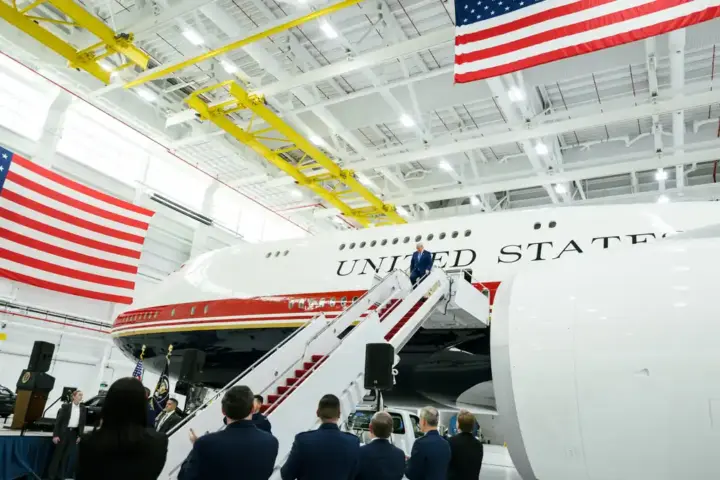
U.S. import tariffs on Canadian alcohol, dairy, and motorcycles took effect Tuesday, marking the start of concrete economic actions in an escalating trade dispute. President Trump characterized the move as teaching Canada “a little lesson” at a White House Hispanic Heritage Month event, where he said the country has “taken advantage of us for so many years.”
Tariffs and Canadian Response
The alcohol sector faces the steepest impact — Canada exported about $1.2 billion worth of booze to the U.S. last year, according to Statistics Canada. Dairy products and some motorcycles also carry new duties. These are the first substantial economic tools deployed in what is clearly an expanding trade conflict, with business groups on both sides voicing concern about supply chain disruptions. The $967 million ban value reflects the scope of the alcohol sector hit, with 87% of targeted imports being alcoholic beverages. This follows Trump’s earlier potash deal with Belarus amid Canada trade tensions, and comes as the US-China tariff framework reshapes global trade patterns.
Canadian Prime Minister Mark Carney has said the country stands ready to negotiate in good faith, echoing his earlier remarks that a “mutually advantageous trade arrangement” is possible. Carney’s statement carries weight given his tenure leading two major central banks and his role as PM — not merely an advisor. At the Macron-Carney meeting in Saint-Pierre-et-Miquelon, Carney reinforced Canada’s diplomatic position. Trump says a deal will come “within weeks” but demanded Canada pay a price first.
The phrase “taught a little lesson” reflects the combative approach this administration is taking — trade as zero-sum competition where nations must either dominate or be dominated. Whether tariff pressure compels concessions remains uncertain; historical precedent shows escalation more often triggers countermeasures than capitulation.
Lake Ontario Renamed
While berating Canada at the White House event, Trump renamed Lake Ontario to “Lake America” and the Gulf of Mexico to “Gulf of America” — using geographic renaming as a co-tool alongside tariffs. This is a unique detail competitors don’t connect: the renaming isn’t just symbolic grandstanding, it’s a tangible executive action affecting Canadian businesses near the renamed waterway and setting a precedent for unilateral U.S. geographic changes during a trade dispute. The Executive Order 14422 directs the Interior Department to update federal maps and documents. New York Governor Hochul has said “New York won’t be calling it that” — the rename applies to federal maps and documents only. See the Lake Ontario naming dispute for context. The US-Canada antitrust cooperation pause and the WTO trade fragmentation report underscore the systemic risks of this escalation.
The coming weeks will reveal whether Trump’s “lesson” strategy works to secure Canadian concessions or whether it instead hardens positions and triggers tit-for-tat escalations that harm both economies. Canada’s retaliatory tariffs on $27.6 billion of U.S. goods remain in place. The Bank of Canada’s rate hold reflects the economic uncertainty weighing on both sides. The G20 summit in September-October 2026 is a key deadline for any breakthrough. For now, the tariffs now in effect mark the first battle in what could become an extended trade conflict, with real consequences for workers, businesses, and consumers across North America.