 Govind Tekale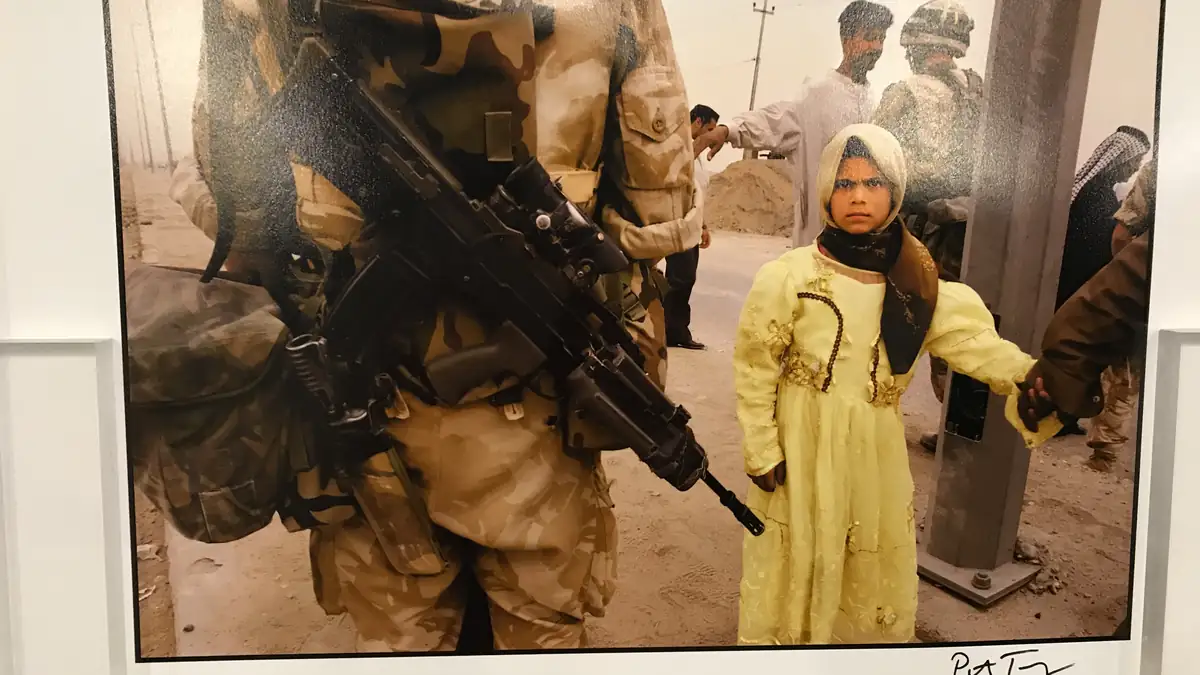
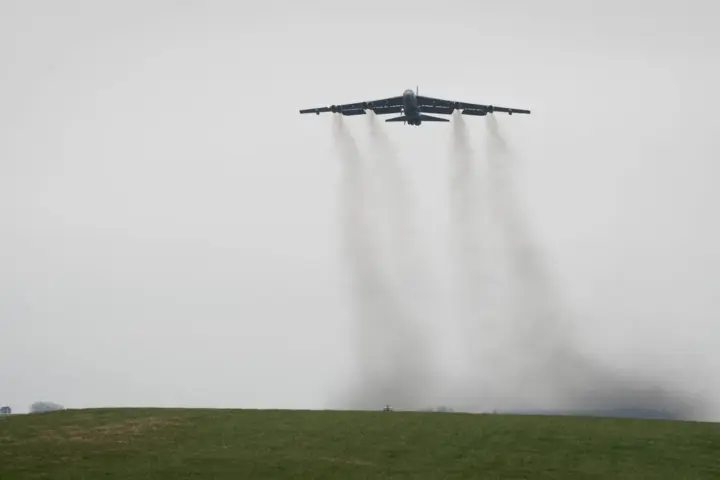
After twelve years of operations across Iraqi territory, the last American soldiers have departed. The Pentagon formally concluded its anti-Islamic State mission on September 30, 2026, marking the end of one era that began in 2014 when extremist forces threatened to overrun the nation. The withdrawal completes one of the longest sustained military campaigns in recent American history, one that claimed thousands of lives and reshaped Middle Eastern geopolitics in ways still unfolding.
The withdrawal comes after the Pentagon declared the anti-Islamic State mission accomplished. President Trump, during his current administration, formally announced that ISIS has been defeated and that maintaining American forces in Iraq no longer serves core national interests. Iraqi leadership demanded the removal of foreign troops, asserting the country’s right to self-determination and sovereignty. British forces also departed alongside American units, closing military chapters that had stretched for over twelve years. However, the situation remains complex. Iran-aligned militia groups operating within Iraq’s borders have refused to disarm or accept the pullout, continuing to maintain armed presence and asserting their own security concerns.
Analysis from Washington Post correspondents indicates that the balance of power in Iraq has shifted toward Iranian interests. Tehran’s sphere of influence expands through militia proxies, which now operate with fewer external constraints. Reuters reporting from Baghdad captures the paradoxical mood among Iraqi civilians: joy at reclaiming sovereignty mixed with apprehension about what comes next.
What Comes After the Last Troop Leaves
The departure of foreign forces leaves Iraq at this juncture. For twelve years, American troops served as counterweight to Iranian expansion and as training partners for Iraqi security forces. That external pressure has now lifted. Iraq’s government must now manage relationships with powerful neighbors without direct American protection, while simultaneously consolidating control over territory where Iran-aligned groups hold considerable sway, per the Institute for the Study of War.
The practical implications extend beyond military arrangements. Iraqi security services, trained extensively by American advisors, must now operate independently. Their competence against future extremist threats remains untested without direct coalition support. The defeat of ISIS as organized force was substantial, but the ideology that fueled recruitment has not vanished. Cells of former fighters remain dispersed throughout the region, waiting for moments of instability to resurge.
Regional competitors are watching closely. Saudi Arabia faces the prospect of Iranian dominance in neighboring Iraq. The United Arab Emirates, Turkey, and Jordan all have strategic interests in Iraqi stability. The global energy markets have taken note as well, given Iraq’s substantial reserves.
For Iraqis themselves, the withdrawal means sovereignty comes with full weight of responsibility. The nation must chart its own course through complicated regional dynamics where every neighbor wants something different. This moment brings both opportunity and risk. Iraq gains autonomy but also loses the safety net of external support systems that had become normalized over twelve years.
The Trump administration has prioritized redirecting American military resources toward domestic needs and away from extended foreign military commitments. This shift reflects a broader reassessment of long-standing Cold War-era military postures and a reduced emphasis on maintaining global military presence at historic levels. The United States has moved away from ideological imperatives that once drove sustained foreign military engagement toward a more selective approach to military commitments abroad.
The Pentagon statement released on September 30 emphasized that the mission against ISIS has been accomplished, Iraqi security forces have been successfully trained and equipped, and the Iraqi government requested the withdrawal of foreign forces. The Department of Defense underscored that American military personnel are no longer necessary for counterterrorism operations in Iraq and that resources can be redirected toward other strategic priorities. This announcement marks the formal conclusion of Operation Inherent Resolve in its original form, per US Central Command.
The withdrawal of American forces from Iraq closes one chapter but opens questions about the next. The burden of building Iraqi stability now rests with Iraqis themselves, with their neighbors, and with time. Whether Iraq emerges stronger through sovereignty or destabilizes under neighboring pressures will define Middle Eastern geopolitics for years to come. That outcome remains unwritten.