 Karmactive Staff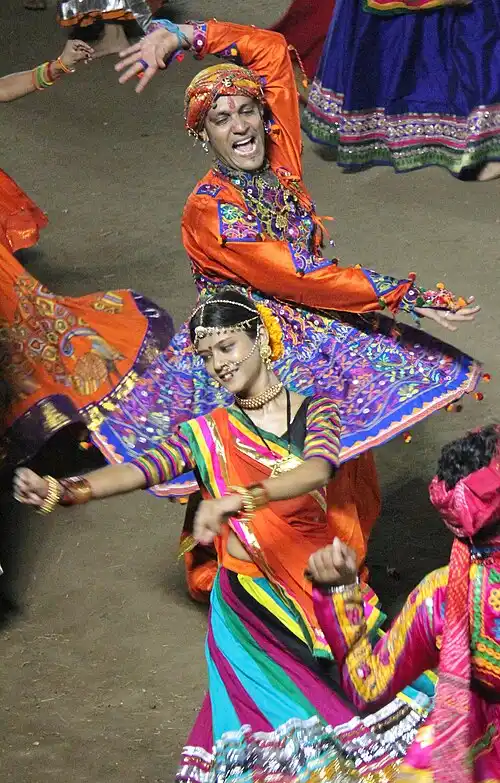
Every year, millions of Indians celebrate Dussehra with fireworks. The night sky lights up with colorful explosions, and the air fills with smoke and noise. But behind the celebration lies a public health crisis that most people never see: the air they breathe during Dussehra is dangerously polluted.
Vijayadashami, also known as Dussehra, falls on October 14, 2026. It is the tenth day of the Hindu lunisolar month of Ashvin. In northern, central, and western India, Dussehra commemorates Lord Rama’s victory over the demon king Ravana. The celebration includes processions, music, and the burning of towering Ravana effigies with fireworks.
Firecrackers release a cocktail of pollutants into the air. Fine particulate matter (PM2.5 and PM10) penetrates deep into the lungs. Sulfur dioxide and nitrogen oxides irritate the respiratory system. Heavy metals like copper, zinc, and magnesium create toxic smoke. The noise pollution from firecrackers exceeds safe limits in many cities — well above the WHO recommended limit. See Noise pollution and Fireworks.
The health impact is severe. Children, the elderly, and people with respiratory conditions are most vulnerable. Asthma attacks increase during festival seasons. Emergency room visits spike on Diwali and Dussehra nights. The World Health Organization recommends that PM2.5 levels stay within safe limits, but during firecracker-heavy festivals, Indian cities regularly exceed safe limits — 20 times or more above recommended levels. See Air pollution in India and PM2.5.
Air pollution in India is a year-round crisis. Twenty-one of the world’s 30 most polluted cities are in India. One hundred and forty million Indians breathe air that is ten times or more over the WHO safe limit. Firecracker pollution adds to an already dangerous baseline. See Air pollution in India and World Health Organization.
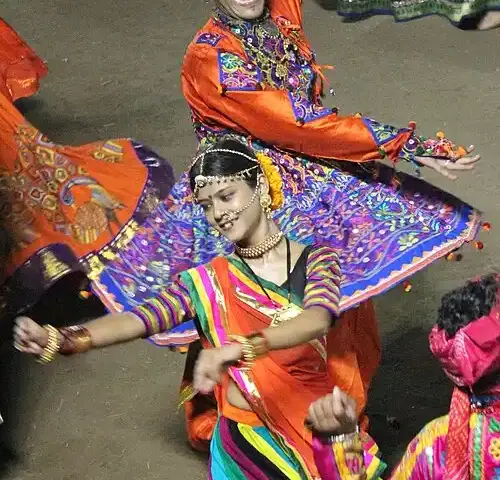
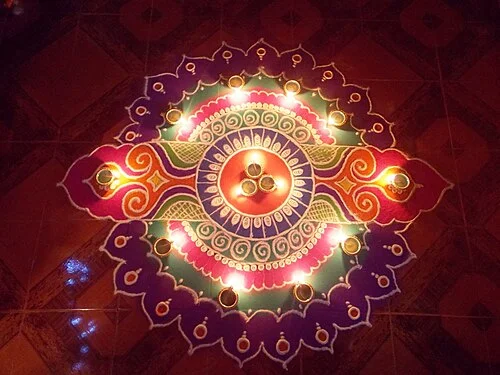
Firecracker-free alternatives exist and are growing in popularity. LED lights create the same festive ambiance without the smoke. Community gatherings with cultural performances replace the noise and pollution. Many neighborhoods now organize collective celebrations without individual firecrackers. See LED lamp and Cultural performance.
The Air (Prevention and Control of Pollution) Act was passed in 1981 to regulate air pollution, but it has failed to reduce pollution levels due to poor enforcement. See Air (Prevention and Control of Pollution) Act, 1981_Act,_1981). The National Clean Air Programme, launched in 2019, targets a 20-30% reduction in PM2.5 and PM10 concentrations by 2024, but progress is slow. See National Clean Air Programme.
Dussehra celebrates the victory of good over evil. But when we light firecrackers, everyone loses — the air, the health, the environment. The victory of Rama over Ravana should inspire us to conquer our own harmful habits.
Priority PAA: How to celebrate Dussehra without firecrackers? Use LED lights, attend community gatherings, enjoy cultural performances, and support firecracker-free neighborhoods.
—