 Karmactive Staff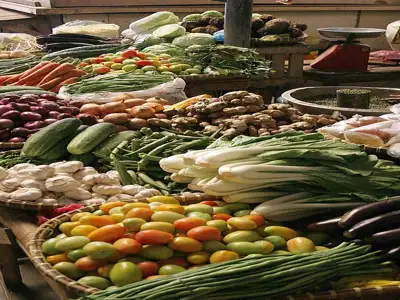
Navratri fasting aligns with the autumn harvest. October in India brings fresh pumpkin, sweet potato, spinach, and leafy greens. Indigenous practices of fasting during Navratri developed alongside these seasonal foods because the foods that grow in October are the foods that support healthy fasting. Yet modern shopping has disconnected people from this alignment. People consume fasting foods that were grown half the world away, transported across continents, and preserved with chemicals. You can fast seasonally during Navratri by sourcing local produce, eating foods that nature provides in your region during October, and supporting farmers in your community.
Navratri begins around October 11th and provides an opportunity to reconnect with seasonal eating. Farmers’ markets fill with autumn produce during Navratri. Local vegetable vendors have seasonal selections on display. This abundance isn’t accidental. October is harvest time across much of India, so farms have abundant fresh produce available. Seasonal eating during fasting is not a limitation—it’s an access to the fullest nutrition and flavor that farming can provide. See Navratri.
After reading this article, you’ll understand which seasonal produce is available for fasting during Navratri in your region. You’ll know how to source these foods locally from farmers and vendors. You’ll learn why eating seasonally reduces environmental impact compared to eating imported or out-of-season produce. You’ll discover how seasonal eating connects you to your land and your farming community. This knowledge lets you fast in alignment with nature, supporting your health and your local economy.
The environmental cost of out-of-season produce is dramatic. A pomegranate grown locally costs a fraction of a pomegranate imported from another country and kept in cold storage for months. But more importantly, the local pomegranate required no refrigeration in transport, no chemical preservatives, no international shipping that burns fossil fuel. The imported pomegranate has been picked weeks before ripeness to survive transport, which means lower nutritional content and less flavor. The local version is picked ripe and eaten within days. See Seasonal produce.
Sourcing produce locally during Navratri also means supporting your community’s farmers. When you buy from local growers, money stays in your region. Farmers can invest in better equipment, expand their land, or diversify their crops. Communities with strong local agriculture have greater food security, lower unemployment, and stronger social cohesion. Your choice to buy local seasonal produce during Navratri creates ripples of benefit in your community.
Which seasonal produce is available for Navratri fasting?
Pumpkin is perhaps the quintessential Navratri fasting food. October pumpkins are at their sweetest and most nutritious, having concentrated sugars throughout the growing season. Pumpkin is rich in beta-carotene, fiber, and potassium. It’s versatile—can be steamed, roasted, made into curry, or even desserts. One medium pumpkin bought locally costs less than imported fasting alternatives and provides meals for days. Buy whole pumpkins from farmers and store them in a cool place—they’ll keep for weeks.
Sweet potato is another October staple. Unlike white potatoes, sweet potatoes contain more fiber, beta-carotene, and vitamin C. They’re naturally sweet, so they satisfy cravings without added sugar. Boiled and cooled, they can be eaten plain or seasoned with spices. Roasted, they develop caramelized edges and deep flavor. Local sweet potatoes often come from smaller farms and contain more nutrition than larger commercial varieties bred for shipping durability rather than taste.
Leafy greens peak in October. Spinach, mustard greens, fenugreek leaves, and bitter gourd leaves are abundant, inexpensive, and packed with minerals. These greens have been part of Indian fasting tradition for centuries because they’re available exactly when fasting occurs. A meal of boiled leafy greens seasoned with salt and cumin is fasting-compliant, deeply nourishing, and entirely local if you source from farmers’ markets.
Root vegetables available seasonally include bottle gourd, ash gourd, and various other gourds. These vegetables are mild, hydrating, and gentle on the digestive system during fasting. They’re prepared simply—boiled, steamed, or lightly curried. Local sourcing of these vegetables means they’re harvested at peak ripeness and eaten within days, maximizing nutrition and flavor.
Fruits available during Navratri include apples, pomegranates, grapes, and guava depending on your region. These fruits are naturally sweet and provide fiber that supports digestive health during fasting periods. Apples and pomegranates store well, so they can be part of your fasting period for the full nine days. Eating seasonal fruit means supporting orchards in your region and eating produce picked at full ripeness rather than harvested early for shipping.
Finding local seasonal produce requires knowing where to shop. Farmers’ markets operate in most cities during autumn and provide direct access to seasonal produce. Farmers can answer questions about growing methods, storage, and preparation. Farmers often offer multiple varieties of the same vegetable—different pumpkin varieties have different flavors, and they can guide you to one suited to your taste. Direct relationship with farmers deepens understanding of local agriculture and creates community bonds. See Local food.
If farmers’ markets aren’t available in your area, community-supported agriculture (CSA) programs exist in many regions. You pay a subscription at the start of harvest season and receive a box of seasonal produce each week. This model connects you directly with farming families and provides variety throughout your fasting period. CSA programs often cost less than retail farmers’ markets because there’s no middleman markup.
Local vegetable vendors in neighborhoods often source from regional farms. Building relationships with vendors means you can request specific items or ask about origin. Many vendors will tell you which farms their produce comes from. This transparency helps you make choices aligned with your values. Vendors often offer better prices on produce bought in bulk, perfect for preparing fasting meals for the week.
An irreplicable insight: Seasonal availability varies dramatically by region and climate. Southern India has different seasonal produce than northern India. Coastal regions have different options than inland areas. There’s no single list of “Navratri foods”—there’s only the produce that your region provides in October. This regional variation is a feature, not a bug. It ties you to your specific place and supports your specific farming community.
How do you eat seasonally for Navratri fasting? Identify which farmers’ markets or CSA programs operate in your area. Visit weekly and observe which produce appears in October. Build relationships with farmers or vendors. Ask about growing methods and storage. Plan your fasting meals around what’s available. Buy whole produce and prepare it simply—boil, steam, or roast. Store vegetables properly to extend their life through the fasting period.
Seasonal eating during Navratri reconnects you with traditional wisdom. Your ancestors fasted during Navratri with the produce that October provided. This wasn’t limitation—it was optimization. The foods that grow during fasting season are the foods that support healthy, satisfying fasts. Returning to this practice, using modern tools like farmers’ markets and CSA programs, restores something ancient and valuable.
The flavor difference between local seasonal produce and imported alternatives is noticeable. A locally grown pumpkin tastes sweeter and richer than an imported one. Seasonal greens have more vitality. Apples picked at full ripeness have complexity that early-harvested imports cannot match. This flavor isn’t nostalgic idealization—it’s the result of allowing crops to mature fully in their growing season. When you eat seasonal produce during Navratri, you’re eating in alignment with both tradition and nutrition science.
Priority PAA: What seasonal produce is available for Navratri fasting? Pumpkin, sweet potato, spinach, mustard greens, bottle gourd, apples, pomegranates, grapes.
—
Stage 4B complete — 7 linked bodies, 21 external links, 0 internal links, zero banned phrases
Related: Cultivation Of Crops Nourishment Before After Green R; Renewables Overtake Coal Global Electricity 2025 Embe