 Karmactive Staff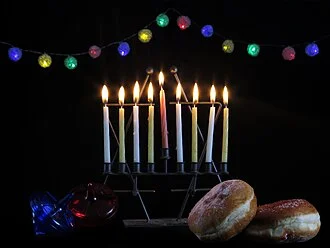
Hanukkah arrives in December 2026, beginning on the evening of December 12th and continuing through the evening of December 19th. This eight-night Jewish festival centers on light, family, and the story of resilience. For many households, that light comes from the menorah, the nine-branched candelabra at the heart of the celebration. Whether you’re planning your first Hanukkah, maintaining a family tradition, or exploring the holiday’s practices, thinking through your lighting choices and celebration details can make the festival both safer and more intentional. Hanukkah overview.
The menorah itself comes in many forms. Traditional menorahs use candles, often beeswax or paraffin, with one candle lit each night and the shamash—the helper candle—used to light the others. This practice is deeply meaningful and sensory. The act of lighting candles, watching the flames grow, and the scent of burning wax all create a specific kind of presence. But candles do come with fire safety considerations, particularly if you have young children, pets, or anyone in your household who might accidentally tip over a menorah or leave it unattended.
LED menorahs have improved dramatically in recent years. Modern electric versions offer warm light that resembles candlelight, and they eliminate fire risk entirely while still honoring the tradition of lighting. Many families now use electric menorahs as their primary celebration tool and light a few real candles separately in a fireplace or well-protected space for those who want the traditional tactile experience. There’s no obligation to choose only one approach. A household might use an electric menorah on the kitchen table during daily life and gather around traditional candles in a safe setting for ceremony.
If you do use candles, a few practical steps make them much safer. Place your menorah on a stable, non-flammable surface away from curtains, paper, and anything that could catch fire if it fell. Keep candles away from ceiling fans or air vents that could blow them out suddenly. Never leave burning candles unattended, even for a moment. For households with young children or pets, it’s genuinely okay to light the menorah only during times when you’re actively present and watching. Safety matters more than strict adherence to timing.
Food traditions during Hanukkah often center on potato latkes and jelly doughnuts, foods fried in oil that connect to the holiday’s story of the oil lamp that burned longer than anyone expected. Cooking these foods creates real pleasure and memory. Making them from scratch rather than buying pre-made versions typically costs less and tastes better, but it also means you control portion sizes and can avoid packaging waste. If you’re cooking for a gathering, making modest batches and coordinating with others about what each household brings prevents enormous leftovers. If you do end up with extra latkes or doughnuts, sharing with neighbors, friends, or local food programs means less waste.
Gift-giving during Hanukkah is common in many families, particularly giving small gifts to children each night. These gifts don’t need to be wrapped in plastic. Fabric wrapping, newspaper, or reusable gift bags work beautifully and can be used year after year. When choosing gifts themselves, thinking about what will actually be used or treasured reduces clutter and waste. Books, board games, art supplies, or experience gifts like concert tickets or classes often bring more lasting joy than things that end up in donation piles months later.
Decorating for Hanukkah offers similar opportunities. String lights made from LED bulbs use far less electricity than older incandescent strings while producing lovely light. If you have string lights from previous years, LED retrofit kits can replace just the bulbs, extending the life of the cords and hardware. Blue and white, the colors of the Israeli flag, are traditional. Natural decorations—like blue ribbon tied around branches, white cloth draped along shelves, or paper snowflakes made with recycled paper—create atmosphere without piling up plastic decorations.
The menorah burning nightly means your household is using some electricity or consuming candles consistently through eight days. This is a minor footprint, but being aware of it is part of being intentional. If you use candles, buying in bulk before Hanukkah costs less than purchasing them piecemeal. If you use LED lights, they’ll serve you for years.
Hanukkah is fundamentally about light in darkness, about community, and about resilience. That meaning doesn’t diminish if your light comes from a lamp or an LED bulb instead of a flame. What matters is that your celebration feels genuine, that it’s safe for everyone in your household, and that it brings you and those you gather with closer together. This December, light your menorah the way that makes sense for your home, and consider what small shifts might make your celebration feel joyful but also aligned with how you want to care for the people and places around you. Ganesh Visarjan 2026 shares similar eco-celebration principles.