Infrastructure

Canada Targets Double Grid Capacity by 2050 as Electricity Demand Puts Transmission Projects Under Pressure

The National Electricity Strategy targets doubling grid capacity by 2050. The North Coast Transmission Line groundbreaking marks the first visible construction step.
📅 September 2026 ⏱️ 5 min read 📂 Energy / Infrastructure
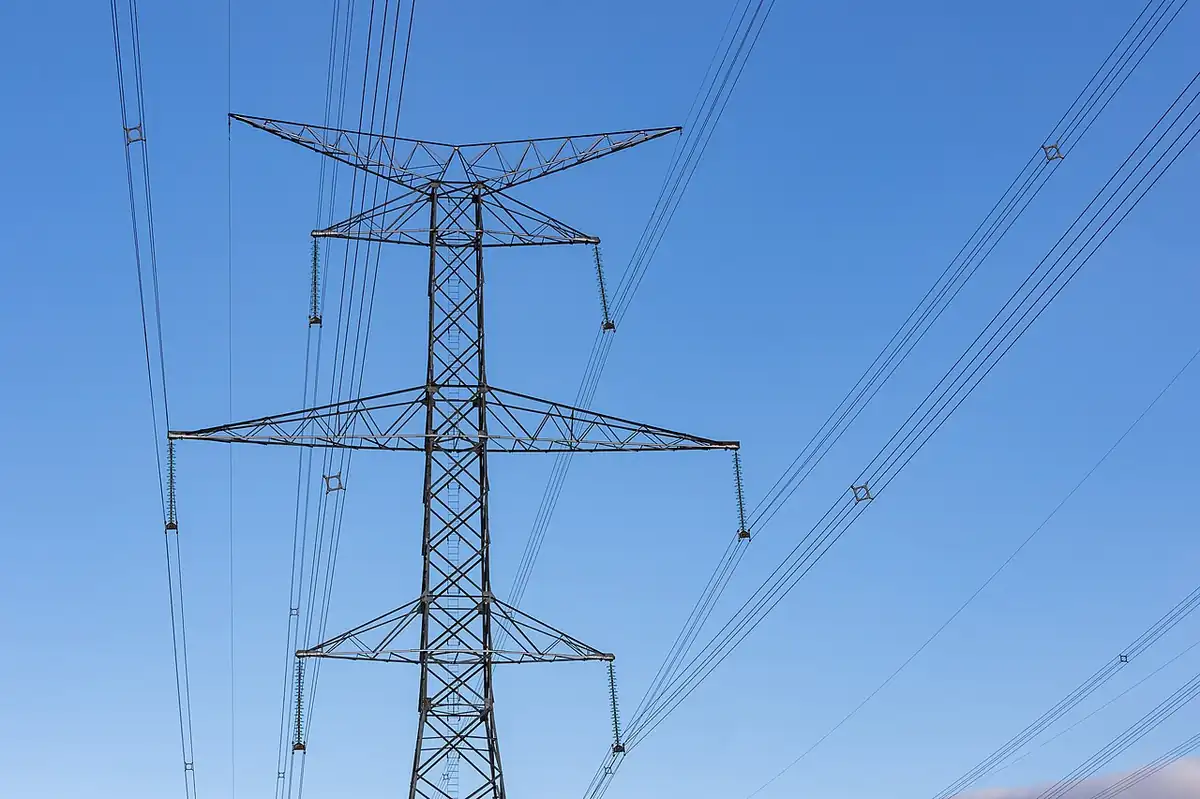
High-voltage electricity transmission lines in Clarington, Ontario, Canada
Canada’s proposed electricity strategy calls for major power-system expansion as industrial electrification increases pressure on transmission infrastructure. Photo: Dillan Payne via Wikimedia Commons — CC BY-SA 4.0.

If you run an EPC contracting firm or invest in Canadian grid infrastructure, federal energy policy is about to open up a much bigger pipeline of work than usual.

Canada’s federal government is advancing a National Electricity Strategy aimed at doubling the country’s electricity generation and grid capacity by 2050. Natural Resources Canada broke ground on the North Coast Transmission Line in early September 2026, a project officials describe as central to that doubling goal, meant to deliver clean power to industry and reduce reliance on diesel in remote regions.

Phase 1 construction focuses on a 165-kilometer, 500-kilovolt line connecting Prince George to the Glenannan Substation near Fraser Lake. Clean energy groups, including the Pembina Institute, have pushed the federal government to move faster, framing the doubling target as essential for energy security, cost control, and staying competitive as other economies electrify.

$1T
Planned investment
Estimated grid infrastructure spending by 2050
130,000
Workers needed
High-skilled labor required by 2050
9,700
NCTL direct jobs
Full-time positions once transmission line complete
165 km
Phase 1 transmission
500-kilovolt line from Prince George to Glenannan

The North Coast Transmission Line represents the first construction milestone

Phase 1 focuses on a 165-kilometer, 500-kilovolt line connecting Prince George to the Glenannan Substation near Fraser Lake. At peak construction, the project is expected to employ up to 1,400 workers. Once complete, it will create 9,700 direct full-time jobs and expand British Columbia’s clean electricity grid to power mining and energy projects in the region.

The line reduces reliance on diesel generation in remote communities and supports industrial electrification. For EPC contractors, the project demonstrates the type of transmission infrastructure that will recur across multiple provinces as the doubling target advances. The federal government’s Transmission InterConnect Investment Strategy has identified multiple priority projects, including interties between British Columbia and Yukon, Alberta and British Columbia, and Saskatchewan and Manitoba.

For related Karmactive coverage on how provincial infrastructure policy intersects with federal clean-energy goals, see our analysis of Canada’s net-zero federal building mandate.

North Coast Transmission Line: Phase 1 Route

Phase 1 of the North Coast Transmission Line connects the Williston Substation near Prince George to the Glenannan Substation near Fraser Lake in northern British Columbia.

Starting Point — Williston Substation Phase 1 Endpoint — Glenannan Substation

The route connects existing substations, minimizing greenfield development

The Williston Substation near Prince George serves as the southern anchor, while the Glenannan Substation near Fraser Lake marks the northern Phase 1 endpoint. This route alignment follows existing industrial corridors and power line rights-of-way where possible, reducing permitting complexity and construction timelines.

The 500-kilovolt capacity rating allows the line to carry high-voltage power over long distances with minimal transmission losses, suitable for serving industrial loads in the region. According to the Major Projects Office, the project has the potential to create $10 billion in new economic activity and will reduce emissions by up to three million tonnes annually. For more on British Columbia’s clean-energy buildout, see Karmactive’s coverage of Canadian infrastructure projects.

Canada National Electricity Strategy: Key Dates

The strategy moves from announcement through early construction toward a mid-century buildout target.

May 14, 2026
National Electricity Strategy Announced
Prime Minister Mark Carney announces the strategy to double grid capacity by 2050, with an estimated $1 trillion in investment and a need for 130,000 workers. Consultations launch with provinces, territories, Indigenous Peoples, utilities, and unions.
September 3, 2026
North Coast Transmission Line Groundbreaking
Phase 1 construction begins on the 165-km, 500-kilovolt line from Prince George to the Glenannan Substation. The Canada–British Columbia Cooperative Prosperity Agreement accelerates major energy and trade corridors.
2026–2030
Early Construction Phase
Transmission, substation, and grid-scale battery storage projects move from planning to construction across multiple provinces. Priority interties advance in western and eastern Canada.
2030–2050
Sustained Buildout
Doubling national generation and transmission capacity continues through mid-century, supporting industrial electrification and data-centre load growth.

Industry groups urge faster timelines

Officials have tied the doubling push to broader economic competitiveness, arguing that a stronger, more reliable grid supports everything from manufacturing to data centers without pushing household electricity costs higher. Industry groups add that Canada’s grid buildout needs to move faster than current federal timelines suggest, given how quickly other major economies are electrifying their own industries and transportation.

The federal clean electricity investment program has already committed over $16 million for five projects in British Columbia, Yukon, and the Northwest Territories. That gap between industry urgency and current federal pace is likely to shape how aggressively new funding gets allocated in coming budgets.

For context on how data-centre demand is reshaping grid planning across North America, see Karmactive’s coverage of AI grid costs and ratepayer exposure.

Canada’s Grid Expansion: Questions Answered

What is the National Electricity Strategy? +
A federal plan announced in May 2026 to double Canada’s electricity generation and grid capacity by 2050, supported by an estimated $1 trillion in investment and a projected workforce of 130,000 high-skilled workers.
What is the North Coast Transmission Line? +
A transmission project in northern British Columbia. Phase 1 is a 165-km, 500-kilovolt line from Prince George to the Glenannan Substation, expected to create 9,700 direct full-time jobs once complete. The project will twin existing transmission lines from Prince George to Terrace and north to Bob Quinn substation.
Who is pushing for faster timelines? +
Clean energy groups, including the Pembina Institute, have urged the federal government to accelerate grid buildout, framing the doubling target as essential for energy security and economic competitiveness.
What opportunities exist for EPC contractors? +
Doubling grid capacity by 2050 requires new transmission lines, substations, and grid-scale battery storage. Contractors who build procurement and project pipelines now are positioned to win contracts as funding rounds open. The Transmission InterConnect Investment Strategy has identified priority projects including the BC–Yukon Grid Connect, Alberta–BC intertie restoration, Alberta–Saskatchewan intertie upgrade, Saskatchewan–Manitoba intertie expansion, and PEI–New Brunswick interconnection.
How does the NCTL connect to other projects? +
The North Coast Transmission Line ties into the Northwest Critical Conservation Corridor strategy and will support the Ksi Lisims LNG facility and critical minerals developments in the Golden Triangle. Several First Nations under the K’uul Power consortium have signed agreements providing the option to acquire up to 50% equity in the project.

Where is Canada’s grid investment going next?

Track federal budget announcements for detailed funding allocations behind the doubling target.

Follow Infrastructure Funding Updates


Sunita Somvanshi

With over two decades of dedicated service in the state environmental ministry, this seasoned professional has cultivated a discerning perspective on the intricate interplay between environmental considerations and diverse industries. Sunita is armed with a keen eye for pivotal details, her extensive experience uniquely positions her to offer insightful commentary on topics ranging from business sustainability and global trade's environmental impact to fostering partnerships, optimizing freight and transport for ecological efficiency, and delving into the realms of thermal management, logistics, carbon credits, and energy transition. Through her writing, she not only imparts valuable knowledge but also provides a nuanced understanding of how businesses can harmonize with environmental imperatives, making her a crucial voice in the discourse on sustainable practices and the future of industry.

Leave a Reply

Your email address will not be published.

Jennifer Eckhart, Former Fox Business Producer, Dies at 36
Previous Story

Jennifer Eckhart, Former Fox Business Producer, Dies at 36

A professional broadcast television camera positioned inside a studio.
Next Story

Jessica Tarlov’s I Disagree Examines Political Conflict Through Her Fox News Experience

Latest from Business

Don't Miss