Sunita Somvanshi
The United States has maintained pressure on the question of Greenland‘s status since early 2025, when President Donald Trump reopened public discussion of US acquisition of the island as a strategic priority. More than a year on, Greenland remains part of the Kingdom of Denmark, and the formal political situation has not changed — but the diplomatic and commercial environment around the island has.
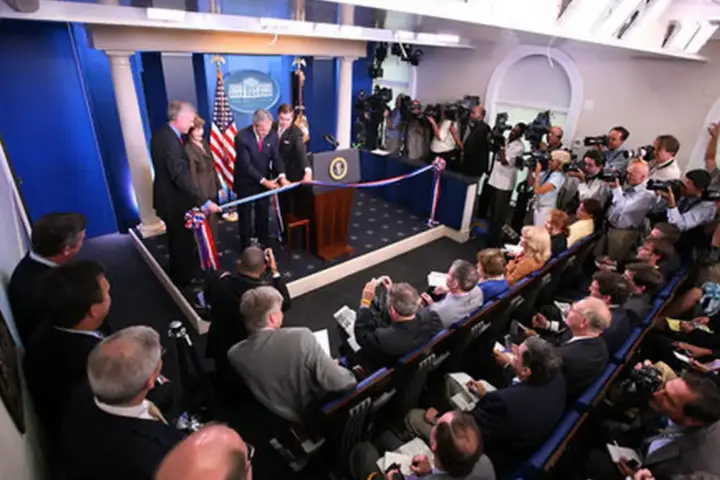
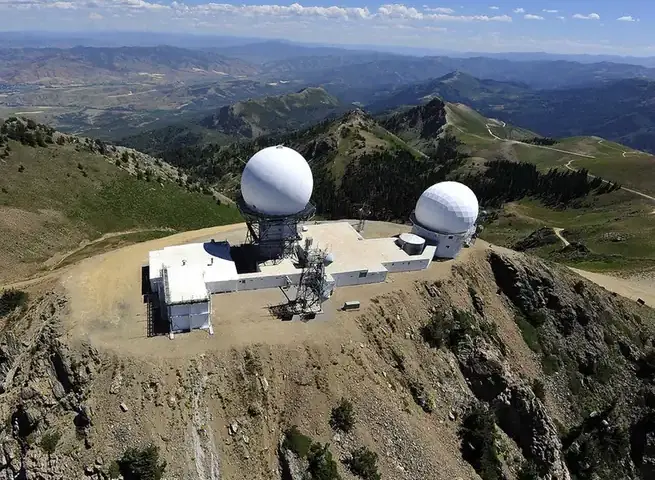
The latest development came in May 2026, when Trump’s envoy Jeff Landry visited Greenland as part of the administration’s engagement with the territory. Separately, reports have emerged of US interest in expanding its military presence in Greenland with up to three new bases, underscoring the administration’s view of the island as a strategic priority in the Arctic.
Greenland’s government, the Naalakkersuisut, has consistently stated that Greenland is not for sale and that any decisions about Greenland’s future are for Greenlanders to make. Danish government officials have echoed that position. Neither the Danish parliament nor Greenland’s government has indicated any willingness to open negotiations on a change in sovereignty.
What has shifted is the level of US interest in Greenland’s economic assets and the intensity of American diplomatic engagement with the region. Greenland holds significant deposits of rare earth minerals critical to battery technology, defense systems, and electronics supply chains. The US has framed its interest partly in terms of resource security and partly in terms of strategic positioning in the Arctic, an area where both Russia and China have been expanding their presence and infrastructure.
For Greenland itself, the attention has brought increased engagement from multiple directions simultaneously. The practical question for Greenland’s government is how to manage relationships with the US, Denmark, and the EU without being drawn into a larger geopolitical competition as a passive subject rather than an active participant.
The Arctic’s status as a contested strategic space has accelerated since 2020, with NATO members increasing their presence and investment in the region. Greenland sits at the intersection of North Atlantic shipping lanes and polar routes that become more commercially viable as ice coverage changes.
The acquisition scenario that Trump raised publicly has not advanced through any formal diplomatic channel. No treaty negotiations are underway. No referendum or independence process has been initiated by Greenland’s government that would create a legal pathway for a change in sovereignty. The situation is one of elevated US interest and consistent Greenlandic and Danish rejection, with significant economic and strategic dynamics running alongside the political stalemate.