India
India
Kandla Port’s Methanol Bunkering Trial Is Real — Commercial Fuel Supply Isn’t Here Yet
At a Glance
If your fleet calls at Indian ports, you need to know that one of them can now actually put methanol into a ship’s tank, not just talk about doing it someday. Kandla Port in Gujarat ran a real shore-to-ship methanol bunkering trial in April, and it’s now building the fuel-supply chain to back it up. Here’s what’s operational, what’s still years away, and what that means for your next voyage plan.
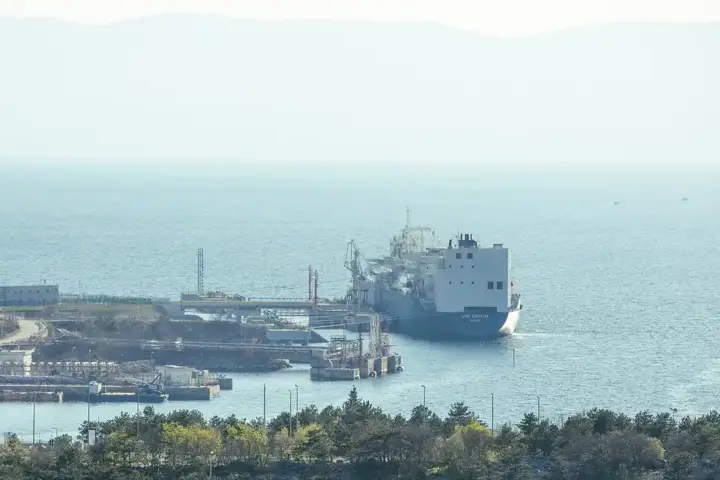
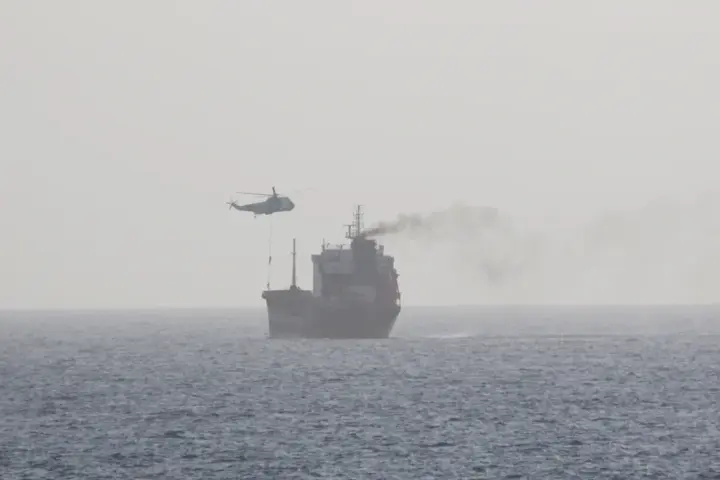
Deendayal Port Authority, widely known as Kandla Port, conducted a shore-to-ship methanol bunkering trial on April 2, 2026, in partnership with Stolt Tankers, J M Baxi, Aegis Vopak, and Indian Oil Corporation. Classification society DNV verified the operation on site and confirmed it met global methanol-bunkering safety standards. The Ministry of Ports, Shipping and Waterways announced the milestone on April 9. Following the assessment, Kandla was rated Level 6 on the International Association of Ports and Harbors’ Port Readiness Level scale for methanol bunkering, and the port is now preparing for ship-to-ship bunkering as its next phase.
Port Readiness Level — Where Kandla Sits
For shipping operators, the trial changes what’s worth planning around. Kandla isn’t offering commercial methanol bunkering yet, so you can’t route a voyage assuming fuel will be waiting. But the port has now demonstrated it can move methanol from shore to ship safely under the conditions tested, and it’s building toward supply at scale. If your fleet includes or will include dual-fuel methanol vessels, Kandla is a port worth tracking on the Asia-Europe corridor.
The production plant behind the trial
From Trial to Commercial Supply
The trial is backed by real production capacity coming online. Assam Petro-Chemicals signed an MoU on January 29, 2026, to build a 150-tonnes-per-day e-methanol plant at Kandla, with more than ₹1,200 crore in capital investment, with a feasibility study underway as of mid-2026. Deendayal Port Authority will supply pipeline connectivity, storage, and fuel-handling infrastructure, while Assam Petro-Chemicals builds the production facility on port land. At full capacity, the plant could produce up to roughly 54,750 tonnes of e-methanol a year. That capacity is what will determine whether ships can count on Kandla as a regular fuel stop, not the April trial alone, which demonstrated that the transfer process works rather than that supply exists at scale.
Kandla on the Asia-Europe Route
Part of a wider fuel strategy
India is positioning Kandla within a broader strategy that also includes green hydrogen and ammonia. Oswal Greenzo Energies signed a separate agreement covering green hydrogen, methanol, and ammonia facilities at the same port, and the Ministry has framed the port’s direction around both e-methanol and e-ammonia as part of the maritime sector’s 2050 net-zero target. Karmactive has tracked how alternative marine fuel infrastructure is expanding unevenly across Asian ports, and Kandla’s approach — pairing a bunkering trial with a dedicated production plant under construction — is a more advanced stage than many ports that have announced supply intentions without a matching build-out. For context on methanol production technology, see our coverage of methanol production technology.
India’s Ministry of Ports, Shipping and Waterways told Parliament that Kandla has established methanol bunkering capability at Port Readiness Level 6, with progression toward Level 7 currently underway. That government statement, made in response to a Lok Sabha question, is the clearest official confirmation of where the port’s readiness actually stands: further along than a single trial, but not yet at full commercial operation.
Methanol (grey)
Produced from natural gas. Commercially available at major bunkering hubs. Lower emissions than diesel but not renewable.
e-Methanol (green)
Produced from renewable hydrogen and captured CO2. Kandla’s target: 500 KTPA by 2028-29 for dual-fuel vessels.
e-Ammonia
Also planned at Kandla under a separate agreement. Requires different handling infrastructure and safety protocols.
Which Indian port is developing methanol bunkering capabilities?
Kandla Port has demonstrated methanol bunkering works, but not yet at commercial scale. The port’s 150-tonnes-per-day production plant, which could yield roughly 54,750 tonnes of e-methanol annually at full capacity, is the number that will shape when routine bunkering becomes possible. Progress toward Port Readiness Level 7 is the next milestone to watch.
Primary source: PIB release, Ministry of Ports, Shipping and Waterways, April 9, 2026