Sunita Somvanshi
# Trump Signs Federal Hunting Executive Order: What It Means for Public Lands Access
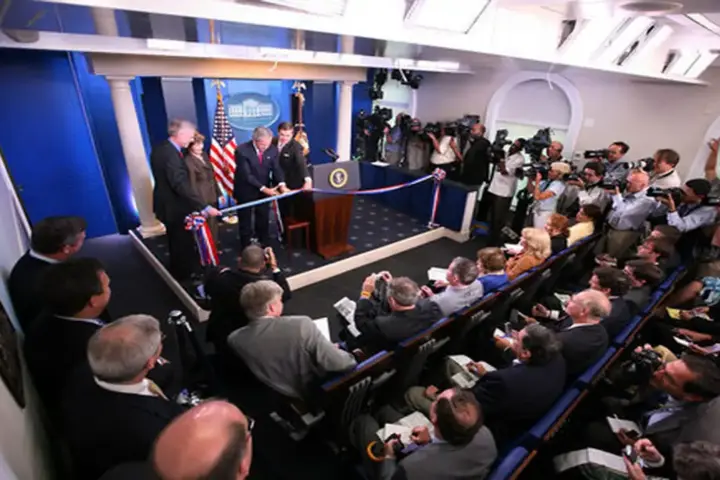
If you’re planning a hunting or fishing trip on federal land this fall, a new executive order affects you, but maybe not as fast as headlines suggest. President Trump signed the “Reinvigorating America’s Hunting Heritage” executive order on September 17, 2026, directing federal agencies to expand hunting and fishing access on public lands, following a Rose Garden dinner with outdoor groups.
The order directs the Secretary of the Interior, the Secretary of Agriculture, and other officials to propose changes to policies that restrict access to federal lands and waterways. It addresses lead ammunition and tackle, motorized access, and wildlife management involving invasive and overpopulated species. Conservation groups including Ducks Unlimited and the National Shooting Sports Foundation attended the signing and issued supportive statements.
Federal land rules will not change overnight. Hunters and anglers planning trips this fall must still follow current refuge regulations and state tag quotas. The order sets a 90-day deadline for specific hunting authorizations at Castle Mountains National Monument and Craters of the Moon National Monument and Preserve, a separate 180-day deadline for agencies to propose broader policy or regulatory changes, and directs Interior to encourage states to expand Sunday hunting within a year. Any resulting regulatory changes would still need to follow the legal procedures that apply to that specific action.
What Federal Land Rules Are Under Review
The order does not instantly repeal local refuge rules. It directs agencies to propose access-policy changes consistent with applicable law; whether a formal environmental review is required depends on the specific action involved. State hunting quotas and seasons remain governed by existing state rules unless changed through the relevant legal process.
The bigger question is what happens after these review windows close. Conservation funding in the US relies heavily on excise taxes paid by hunters and anglers on gear purchases, a system known as the Pittman-Robertson Act. Expanding access could increase that funding, but some environmental groups have raised concerns about the order’s effect on habitat in sensitive migration corridors.
What did Trump’s executive order on hunting change? The order, called “Reinvigorating America’s Hunting Heritage,” directs the Department of the Interior, Department of Agriculture and other agencies to propose expanded hunting and fishing access on public lands. It directs officials to consider allowing traditional lead ammunition and tackle, review motorized access limits, and address management of invasive and overpopulated species, subject to applicable law.
Nothing changes this hunting season under current law. The real test comes as federal agencies work through the order’s 90-day, 180-day and one-year deadlines. Watch for public comment periods on specific refuges near you before assuming any rule has actually shifted.