Porsha Williams Reveals Emergency Hysterectomy After Doctors Found 21 Fibroids
The Real Housewives of Atlanta star says she mistook heavy periods and fatigue for perimenopause. An ultrasound during a friend’s fertility appointment changed everything.

If your periods have gotten longer, heavier, or more exhausting and you’ve wondered what’s behind it, Porsha Williams has a story worth hearing: an ultrasound she got almost on a whim showed 21 fibroids, one the size of a cantaloupe, and ended her chance of carrying another child.
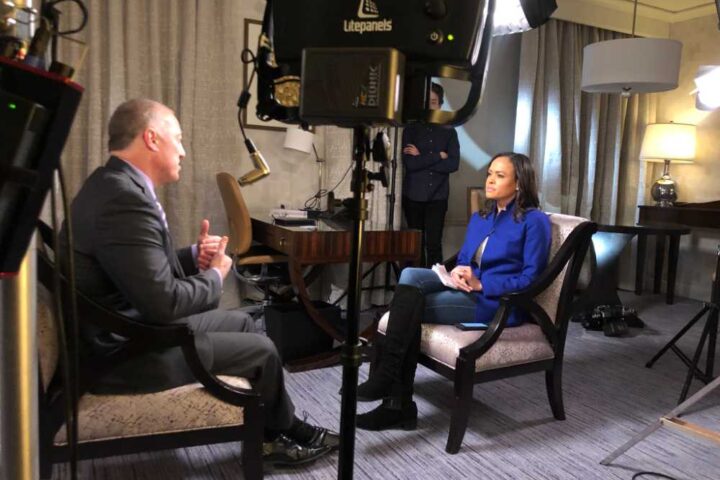
The Real Housewives of Atlanta star, 45, shared in a personal essay for Glamour and during a CBS Mornings appearance on Friday, September 18, 2026, that she underwent an emergency partial hysterectomy in May after doctors discovered the fibroids. She had tagged along to a friend’s fertility appointment and decided, almost on a whim, to get her own ultrasound done. A partial hysterectomy removes the upper part of the uterus while leaving the cervix in place; the ovaries may be kept or removed depending on the surgical plan. In Williams’s case, her ovaries were preserved, so the surgery ended her ability to carry a pregnancy but did not trigger surgical menopause, since her ovaries continue producing hormones. Williams was first diagnosed with fibroids in her late twenties, when one outgrew her first pregnancy and led to a miscarriage. She later had a myomectomy and a fibroid embolization procedure and gave birth to her daughter Pilar in 2019.
At a Glance
Prolonged or heavy menstrual bleeding can have several causes, including uterine fibroids. If symptoms are disrupting your daily life, consult a healthcare professional rather than assuming they’re just part of aging. Fibroids disproportionately affect Black women, who are diagnosed at higher rates in U.S. studies, and anyone with persistent symptoms should discuss appropriate evaluation with a doctor. Earlier evaluation may give patients more time to weigh treatment options, including approaches that try to preserve the uterus when medically appropriate. If heavy or prolonged bleeding is interfering with daily life, seek medical evaluation and ask whether imaging or other tests are right for your situation.
The Timeline of Williams’ Diagnosis
What Started as a Routine Check Turned Serious Fast
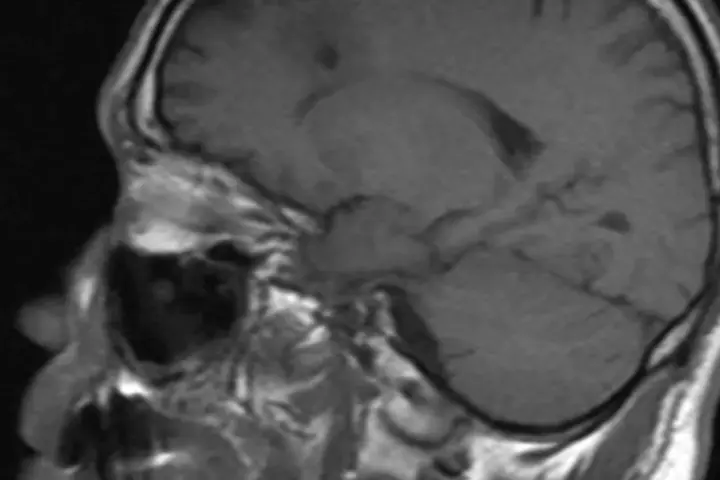
Williams said her doctor went quiet mid-exam before sending her for an MRI that same afternoon. Surgery followed roughly two weeks later. By that point, with 21 fibroids and the largest the size of a cantaloupe, embolization or another myomectomy were no longer realistic options, and doctors told her a full removal of the uterus was the only path that made sense. This is a follow-up to Williams’ earlier disclosure about her fibroid diagnosis and treatment history.
“She started looking into, you know, doing the exam, and she went silent. And I looked at the screen, and all I could see was, like, black, and then I started seeing some circular lines. And I’m like, ‘Not again. Not again.’ They had come back.”
— Porsha Williams, CBS Mornings
Why Black Women Are Disproportionately Affected
Fibroids are noncancerous growths in the uterus. According to the Black Women’s Health Imperative, roughly 80% of Black women develop fibroids by age 50, compared with about 70% of white women, and Black women are two to three times more likely to end up needing a hysterectomy because of them. Researchers continue to study the reasons behind this gap, and differences in healthcare access and other social and biological factors may contribute. Common fibroid symptoms include heavy or prolonged periods, pelvic pressure, frequent urination, and anemia caused by blood loss; because some of these overlap with other conditions, clinical evaluation matters.
Williams has spoken publicly about fibroids since at least 2020, using Fibroid Awareness Month each July as a personal platform, and has said doctors often don’t raise the subject on their own, leaving women to advocate for themselves. She said she hopes sharing her story now might push even one woman to ask her own doctor the right questions sooner than she did. She has also floated the idea of starting a foundation to help cover fibroid care costs for women who can’t afford it. For another public account of fibroid treatment and hysterectomy, and for more on fibroid experiences among Black women, see our related coverage.
Why are Black women more likely to get uterine fibroids?
According to the Black Women’s Health Imperative, about 80% of Black women develop uterine fibroids by age 50, compared with roughly 70% of white women, and Black women are two to three times more likely to need a hysterectomy for fibroids. Researchers continue to study why, pointing to differences in healthcare access and other social and biological factors as possible contributors.
Frequently Asked Questions
Williams lost the ability to carry another pregnancy, but she has described the surgery as lifesaving and says she’s leaning into gratitude for her daughter Pilar while giving herself room to grieve. She’s encouraging other women to seek medical evaluation for persistent symptoms rather than guess what’s behind them.