 Karmactive Staff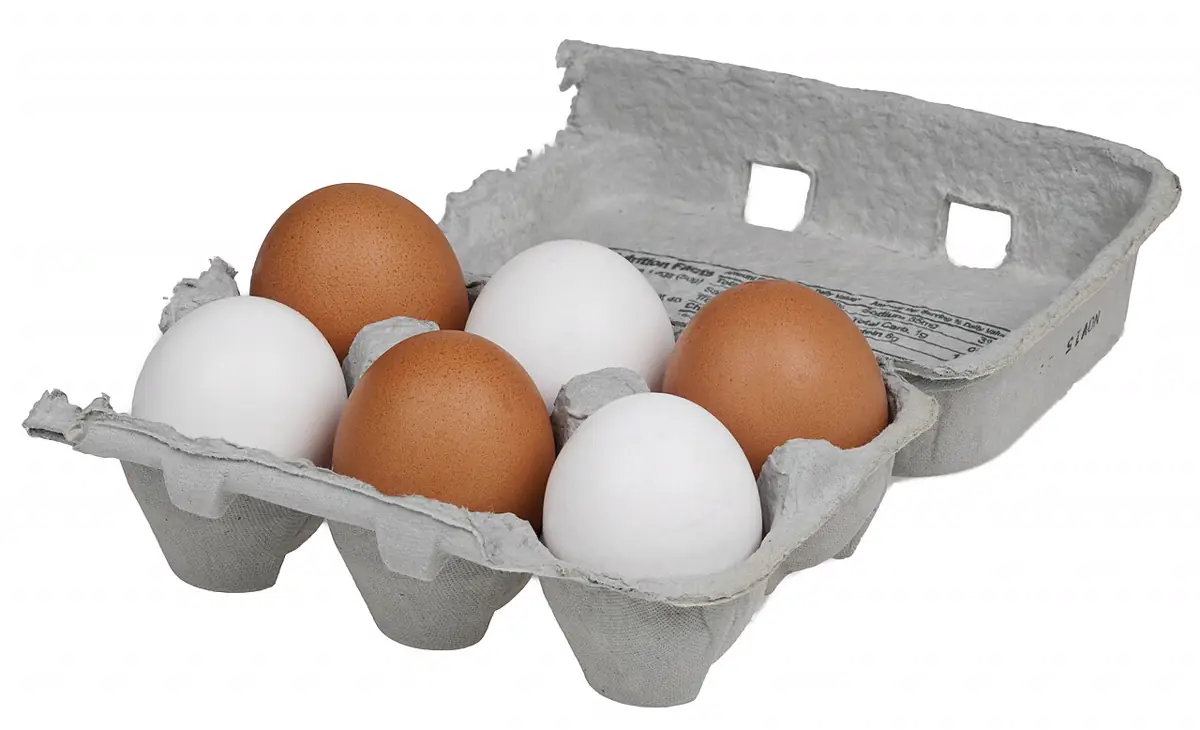
If you have bought Happy Hens organic eggs in Southern California or along the Central Coast recently, California health officials want you to stop eating them immediately and throw them away.
The California Department of Public Health issued a recall warning after 23 residents reported illness linked to Happy Hens brand organic in-shell eggs. Seven people have been hospitalised. No deaths have been reported as of September 8, 2026.
How to check if your eggs are affected
The recalled product is Happy Hens organic in-shell eggs. To identify affected eggs:
- Look for egg handler code CA-0677 printed on the carton
- Check the lot or date code on the carton — affected codes include 223, 226, and 237
- Sell-by dates range from September 10 to September 24, 2026
If your eggs match any of these details, do not eat them. Do not serve them to others. Do not sell them. Place them in a sealed bag and throw them in an outside bin, or follow your local authority's food disposal instructions.
Where the eggs were sold
The affected eggs were distributed across Southern California and the Central Coast. Distribution channels included grocery stores, restaurants, and farmers markets. Retail and location details can change during outbreak investigations, so consumers should check the latest California Department of Public Health notice and the carton code before using any affected eggs.
What the official investigation found
FDA environmental testing of the Happy Hens poultry facilities found two poultry-housing samples that tested positive for Salmonella Enteritidis — the specific strain linked to the outbreak. That finding connects the illnesses to conditions identified at the source rather than leaving the outbreak only at the distribution stage.
Salmonella Enteritidis is one of the most common causes of food-related illness in the US. Symptoms typically include diarrhoea, fever, and stomach cramps appearing six hours to six days after exposure. Most healthy adults recover without treatment, but the illness can be more severe for older adults, young children, and people with weakened immune systems — exactly the groups most likely to be affected by a seven-hospitalisation outbreak from 23 confirmed cases.
For context on how Salmonella egg recalls are handled at the federal level, Karmactive has previously covered the FDA's Class I recall process for Salmonella-contaminated eggs — Class I being the highest-risk category the agency assigns to recalled food products.
What to do if you feel unwell
If you have eaten Happy Hens eggs recently and have developed stomach symptoms, fever, or diarrhoea, contact your healthcare provider. Tell them you may have eaten recalled eggs. Reporting your illness also helps health authorities track the outbreak and identify additional cases.
Frequently Asked Questions
Which Happy Hens eggs are recalled?
The recalled products are Happy Hens organic in-shell eggs with egg handler code CA-0677. Affected lot and date codes include 223, 226, and 237, with sell-by dates from September 10 to September 24, 2026. California health officials advise consumers not to eat, serve, or sell any affected eggs.
What should I do with recalled Happy Hens eggs?
Do not eat them. Place them in a sealed bag and dispose of them in an outside bin. Wash your hands and any surfaces the eggs may have touched with soap and warm water. If you have already eaten the eggs and feel unwell, contact your doctor or healthcare provider.
How many people have been affected by the Happy Hens Salmonella outbreak?
As of September 8, 2026, California health officials had confirmed 23 illness cases linked to the outbreak, with seven people hospitalised. No deaths have been reported. The official case count may increase as the investigation continues.
The outbreak investigation remains open. California health authorities are continuing to monitor reported cases. Check back for updates if you are in the affected distribution area.