 Govind Tekale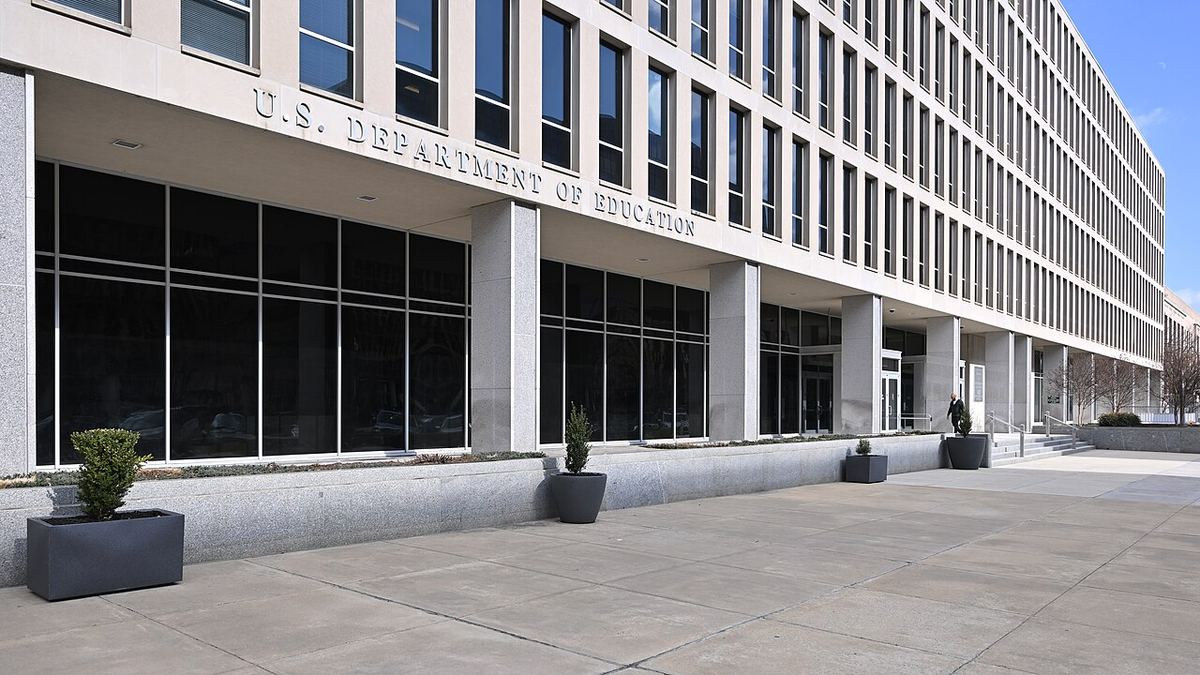
Kelly Rogers stepped down as acting assistant secretary for the Office of Special Education and Rehabilitative Services (OSERS) on September 10, 2026—effectively immediately, with her resignation taking full effect the following day. Her abrupt departure comes as the U.S. Department of Education transfers special education oversight to the Department of Health and Human Services and Department of Justice, a restructuring that will directly affect 8.2 million schoolchildren currently receiving special education services under the Individuals with Disabilities Education Act (IDEA).
Rogers held the position for less than four months, having assumed the role in May. In her resignation statement, she expressed confidence in the partnership with HHS and the department's ability to move forward. Yet her early exit highlights potential vulnerabilities in the reorganization timeline at a critical juncture for special education policy.
The Scale of the Transition
OSERS oversees IDEA Part B, which serves children ages 3-21 with disabilities, as well as Part C, which supports infants and toddlers. The agency manages $14.2 billion in annual appropriations that flow directly to state education agencies and service providers. The current reorganization requires transferring staff and responsibilities across multiple federal departments even as these agencies begin their fiscal year coordination efforts.
The timing creates a particular vulnerability. Many states conduct IEP (Individualized Education Program) reviews and budget planning during autumn months. A leadership vacuum at the federal level, combined with staff transitions to different agencies, risks delaying guidance that states rely on to plan services and allocate resources.
Missing the Measurement Problem
While national outlets confirmed Rogers' departure and the reorganization's basic mechanics, critical questions remain unanswered. How will the government track changes in IDEA compliance rates across states during this transition? Currently, there is no public commitment to measure how service outcomes, dispute resolution timelines, or state compliance metrics shift as responsibility transfers between agencies.
This matters because IDEA eligibility has risen 3.8 percent year-over-year, increasing from 7.9 million students in 2023 to 8.2 million in 2024. Growing demand for services during an organizational reshuffling could strain state capacity to respond.
The Bureaucracy Question
Reorganization proponents have framed the change as reducing bureaucratic layers. Yet preliminary analysis suggests the opposite may occur. Creating joint HHS-ED oversight structures or maintaining existing coordination mechanisms would cost less politically and operationally than dispersing IDEA management across three federal departments. The current approach may simply relocate administrative burden rather than eliminate it.
Rogers' departure after four months also signals deeper institutional concerns. Her exit suggests either misalignment with administration priorities or low confidence in the reorganization's implementation—neither interpretation is reassuring for workforce stability in a system serving millions of students.
What Comes Next
The real test begins now. Whether the reorganization actually streamlines special education services or creates accountability gaps will depend on how quickly HHS and ED fill leadership positions and establish working relationships. Meanwhile, states and school districts continue serving students under existing rules, awaiting clearer direction from a federal system in transition.
For families with disabled children, for educators, and for service providers, Rogers' resignation underscores an uncomfortable reality: major federal restructuring happens while the machinery of special education must keep running.