Sunita Somvanshi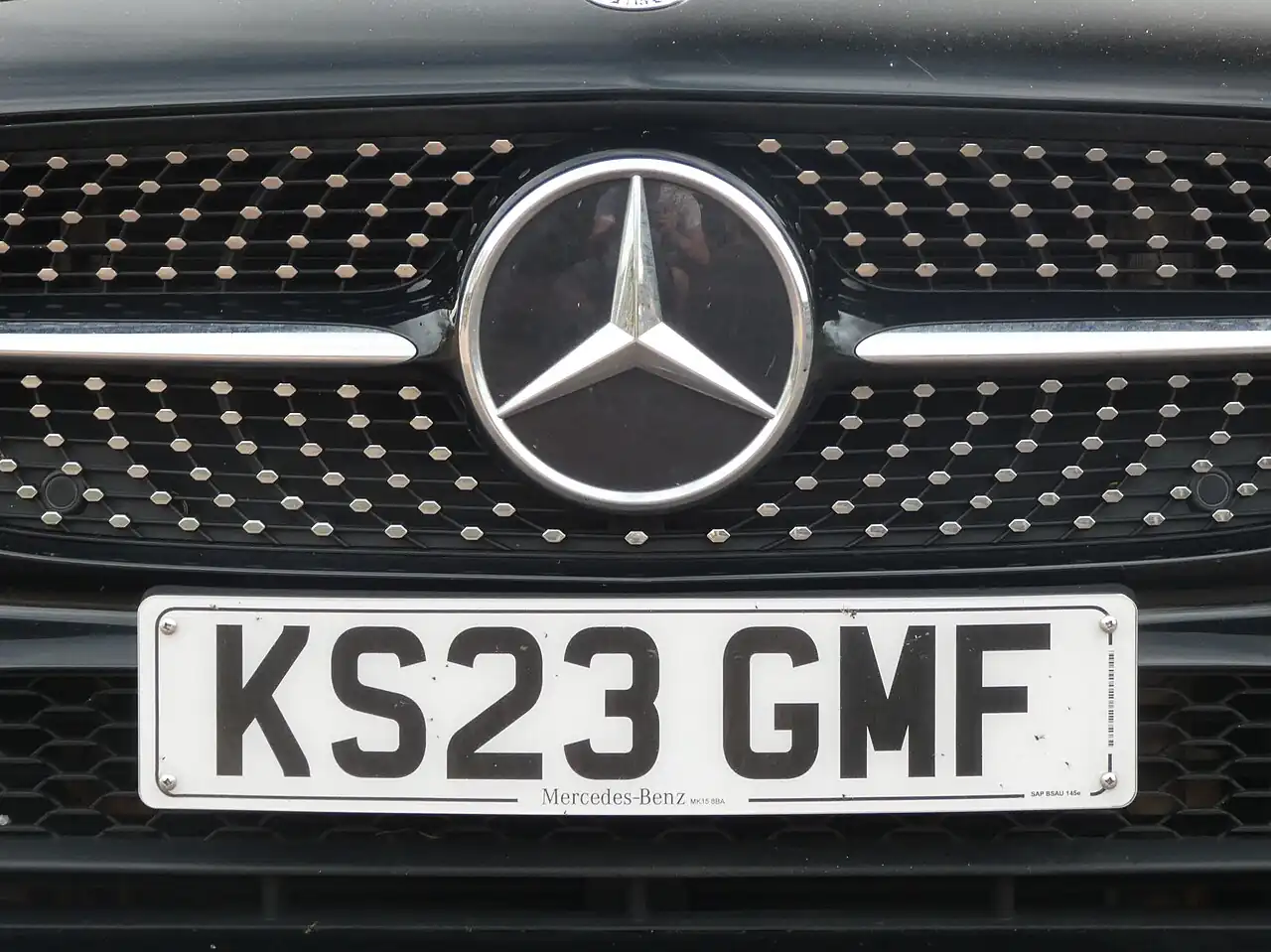
Starting September 1, 2026, new vehicles registered use the 76 age identifier under the current registration system. But the DVLA withheld hundreds of 76-combination plates because they could be considered offensive, embarrassing or in poor taste.
Understanding the system matters because registration numbers confuse people.
Britain’s registration format is straightforward: two letters, two numbers, then three letters. Those two numbers identify when the vehicle was first registered. The “76” indicates vehicles registered from September 1, 2026, through February 2027. In March 2027, the age identifier will change to 27.
The “banned plates” headline can mislead. The DVLA doesn’t retroactively ban previously issued plates—that would be chaos. Instead, it simply doesn’t create combinations it considers problematic. Hundreds of 76-combinations fall into this category. The DVLA reviews combinations before they’re made available.
The rule about personalised plates is important. You cannot buy a 76-plate number and transfer it to an older vehicle to make that car appear newer than it is. A registration mark cannot make a vehicle appear newer than it is. That’s a legal requirement.
Getting the plates right matters because there are consequences. Number plates must use reflective material, display black characters on white backgrounds at the front and yellow at the rear, and comply with British Standard BS AU 145e for plates fitted after September 1, 2021. Plates cannot have a background pattern, although certain permitted flags, symbols and identifiers can be displayed.
Incorrect display can cost you. An incorrectly displayed plate can result in a fine of up to £1,000, and the vehicle can fail its MOT roadworthiness test. Altered characters, incorrect spacing, or obscured registration marks interfere with automatic number-plate recognition systems, which police and traffic cameras use to identify vehicles.
For consumers taking delivery of new vehicles, verify that your V5C registration document matches the plate issued. Check that the supplier plate displays proper British Standard markings. If you’re buying privately and personalizing the registration, the DVLA won’t create suppressed combinations.
The system is straightforward once you understand it—which is why simple clarity beats tabloid headlines about “banned plates.”