 Govind Tekale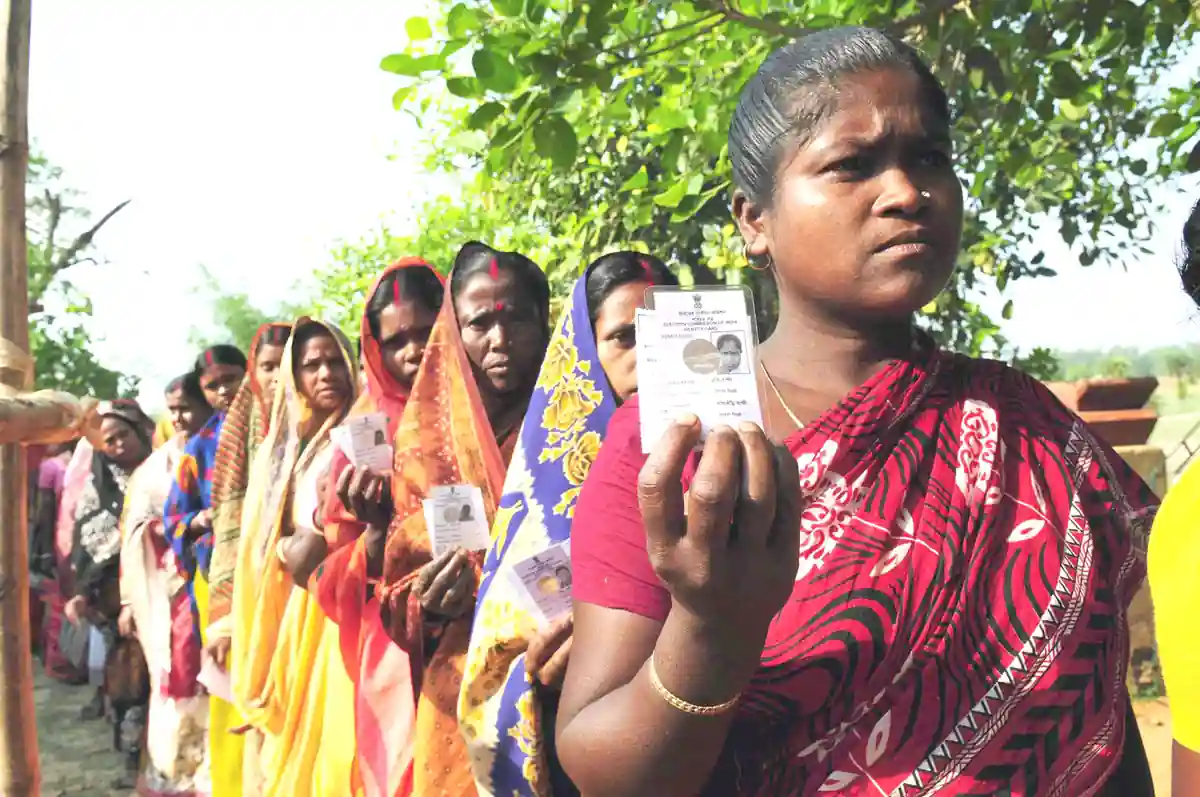
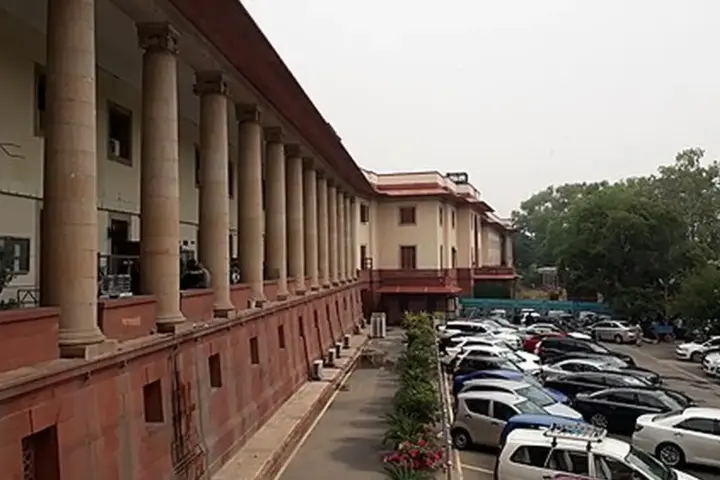
A political storm erupted over Jharkhand’s voter list. Senior advocate and Rajya Sabha MP Kapil Sibal urged the Supreme Court to intervene and halt what he called bulk voter deletions during the Election Commission’s ongoing Special Intensive Revision exercise, with allegations focused on minority constituencies in certain areas. The Election Commission says it’s conducting a routine check. What’s the actual truth?
The process is called Special Intensive Revision (SIR), and it operates under the constitutional and statutory powers of the Election Commission, including provisions of the Representation of the People Act, 1950, and the Registration of Electors Rules, 1960. The Election Commission conducts SIR to clean up electoral rolls—removing duplicate entries, updating addresses for people who moved, and striking off names of deceased voters. It’s not new, and it’s not inherently suspicious.
How the process actually works
Here’s where people get confused. The Election Commission’s Booth Level Officers visit homes to verify voter eligibility. They check if you actually live where you claim to, whether you’re an Indian citizen, and if you’re of legal voting age. Booth Level Agents represent political parties in the electoral-roll process, while statutory decisions on electoral-roll entries are taken by the competent election authorities.
If someone objects to your name being in the roll, they file Form 7. For proposed deletions in cases other than death, ECI procedures provide for notice and an opportunity for the elector to respond before any name is removed. This is the legal safeguard.
What the allegations claim
Sibal alleged, citing a media report from Jharkhand’s Godda district, that BJP agents were targeting Muslim voters for deletion. He called the process an exercise in “politics of exclusion” and urged the Supreme Court to act. The Commission’s SIR framework and its stated legal procedures remain the official position.
What you can actually verify yourself
If you live in Jharkhand and want to check your voter status, you can go to voters.eci.gov.in right now. Enter your Electoral Photo Identity Card number, and you’ll see if your name appears in the electoral roll. If your name is missing and you believe you should be registered, you can file Form 6 to get included. If your information is wrong—like a misspelled name or old address—you file Form 8 for correction.
The Election Commission’s portal provides these forms and verification tools directly.
The gap between allegation and evidence
Nobody disputes that SIR is happening. The real question is whether the process is following legal procedure in specific cases. That requires examining official records and court filings, not general allegations.
Why this matters for voting rights
If an eligible person’s name is not on the electoral roll, that person cannot cast a vote in that election. The proper course is to know how to check your status (the portal exists), how to object if you disagree (Form 7), and how to file for inclusion (Form 6). These tools are available through the Election Commission’s official system.
The political heat is real. The legal process is transparent. Your next step is verification—don’t assume you’re affected until you check officially. That’s how electoral democracy actually protects your rights.