Karmactive Team
The Massachusetts Institute of Technology closed Building 18, its chemistry facility, after reports of a chemical incident involving an organomercury compound. Cambridge Fire Department hazmat teams and MIT environmental safety staff conducted testing, with the building remaining closed through at least August 30 while specialized decontamination continued.
Building 18, the Camille Dreyfus Chemistry Building located at 21 Ames Street in Cambridge, was closed after a student reported a potential incident involving dimethyl mercury synthesis. MIT’s statement noted that emerging information raised questions about whether the compound had actually been synthesized, indicating uncertainty about what had occurred.
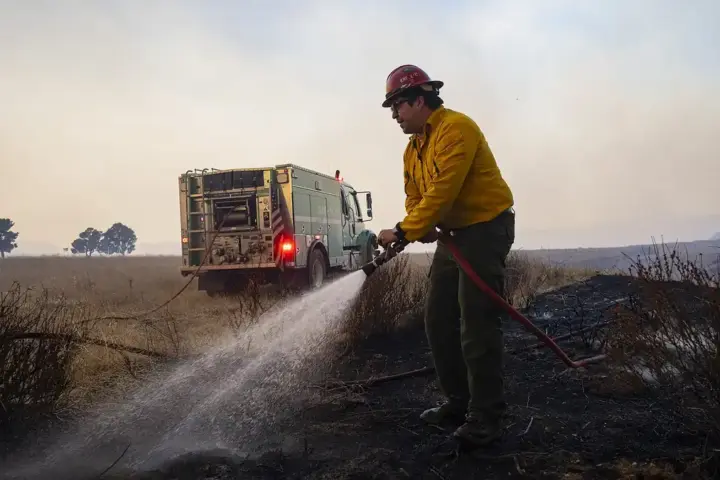
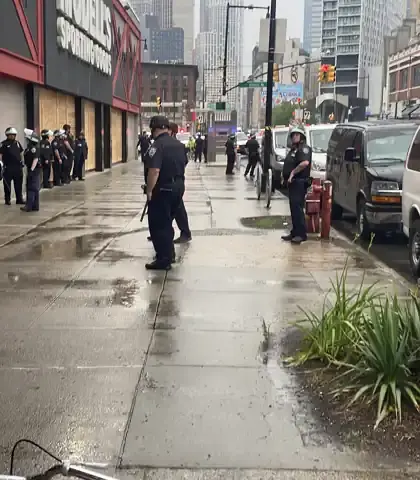
The Cambridge Fire Department’s hazmat team responded with specialized equipment for detecting and containing chemical hazards. Hazmat specialists measured air quality, tested surfaces for contamination, and assessed whether any chemical presence posed ongoing risks to building occupants.
MIT’s Environment, Health and Safety (EHS) office coordinated with fire department responders. The university maintains detailed protocols for laboratory incidents, including immediate isolation of affected areas, notification of emergency services, and health screening for potentially exposed individuals.
The student researcher involved underwent biological screening—tests designed to detect whether chemical exposure occurred. Initial blood test results showed no sign of mercury exposure, providing evidence that exposure, if any occurred, remained below detectable levels.
Dimethyl mercury and organomercury compounds require careful handling because mercury can accumulate in the body. Any incident involving these chemicals requires thorough testing and medical follow-up as standard precaution. Research institutions maintain these systems because protecting researcher safety represents both institutional responsibility and legal requirement.
The building perimeter was secured during investigation and testing, preventing other occupants from accessing potentially affected spaces. As of August 30, Building 18 remained closed while specialized decontamination continued, indicating the incident response was still in progress.