 Rahul Somvanshi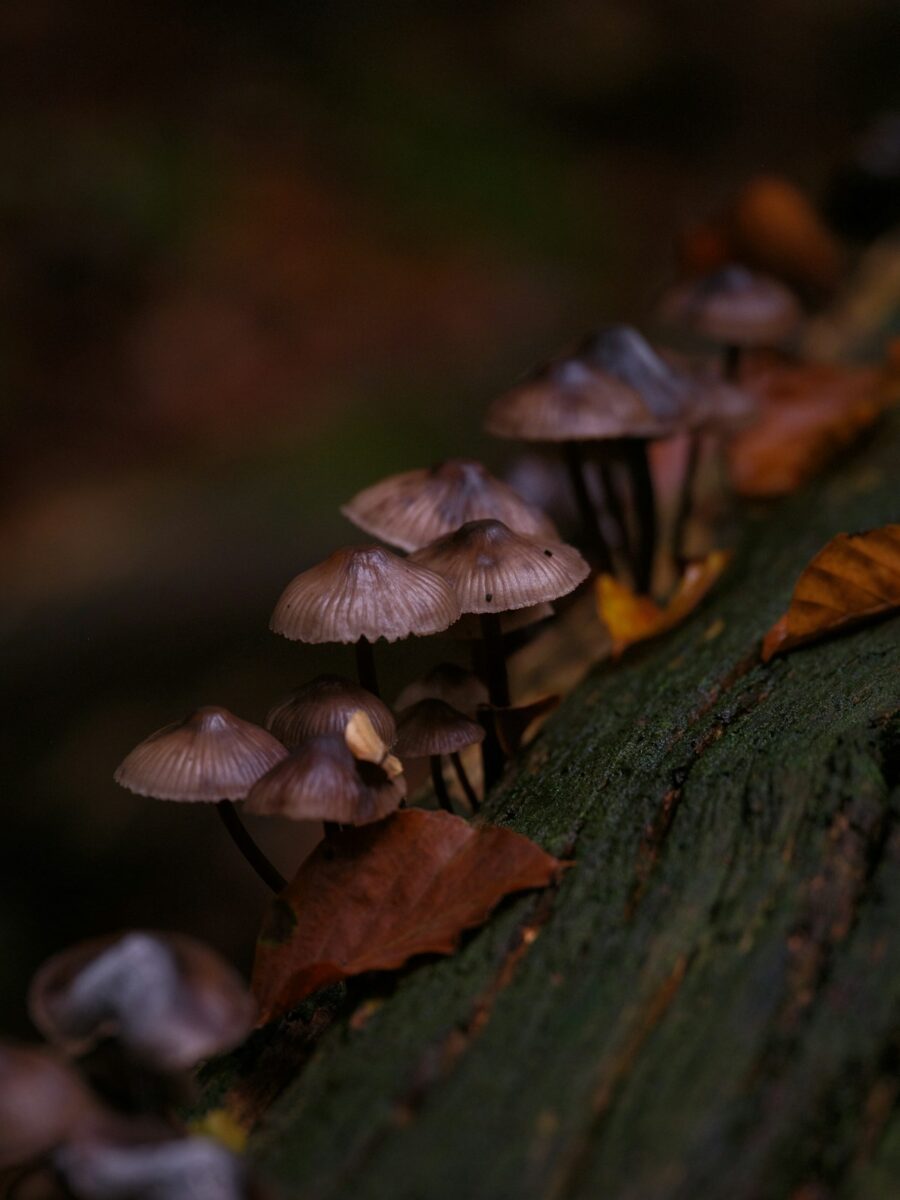
Mushroom® Packaging — a biodegradable material grown from mycelium, the root structure of mushrooms, combined with agricultural waste. The company says the packaging is fully biodegradable in around 45 days and is designed as a direct replacement for expanded polystyrene (EPS), polyethylene (PE), and extruded polystyrene (XPS) packaging.
The company has attracted approximately £3 million in seed funding, according to company announcements, and has secured investment through the Floww platform. It produces the packaging at scale and has begun supplying commercial customers looking for alternatives to fossil fuel-based materials.
The global mycelium packaging market is forecast to expand from approximately USD 90 million in 2025 to over USD 228 million by 2035, growing at a compound annual growth rate of roughly 9.75%, according to one market analysis updated in March 2026. The broader mycelium market — covering all applications including food, agriculture, and materials — is projected to reach USD 6.72 billion by 2033. The growth is driven by regulatory pressure to reduce plastic waste and by corporate sustainability commitments.
Mycelium packaging works by growing mushroom roots through agricultural waste such as hemp, sawdust, or corn stalks in a controlled environment. The resulting material can be molded into custom shapes and is already being used for protective packaging, cushioning, and blocks in place of foam. Unlike plastic, which persists in the environment for centuries, the packaging breaks down naturally at end of life.
The technology is not unique to one company. Ecovative Design, a US-based company, has developed AirMycelium technology used in automotive interiors in partnership with FORVIA, a French automotive supplier. Grown.bio, based in the Netherlands, makes biodegradable packaging from mycelium and agricultural waste. Several other companies are developing mycelium-based materials for construction, fashion, and consumer goods.
For packaging applications, mycelium offers several properties that make it attractive to manufacturers. It is lightweight, can be grown into custom shapes, and uses agricultural byproducts that would otherwise be waste. The material is also grown rather than manufactured, which means production does not require the high temperatures and fossil fuel inputs associated with plastic production.
The Magical Mushroom Company’s shift to industrial-scale production reflects a wider trend. As regulations like the European Union’s Packaging and Packaging Waste Regulation increase pressure on companies to reduce single-use plastics, demand for biodegradable alternatives is growing. The UK introduced a tax on packaging containing less than 30% recycled plastic at a rate of £223.69 per tonne from April 2025, making alternatives increasingly cost-competitive.
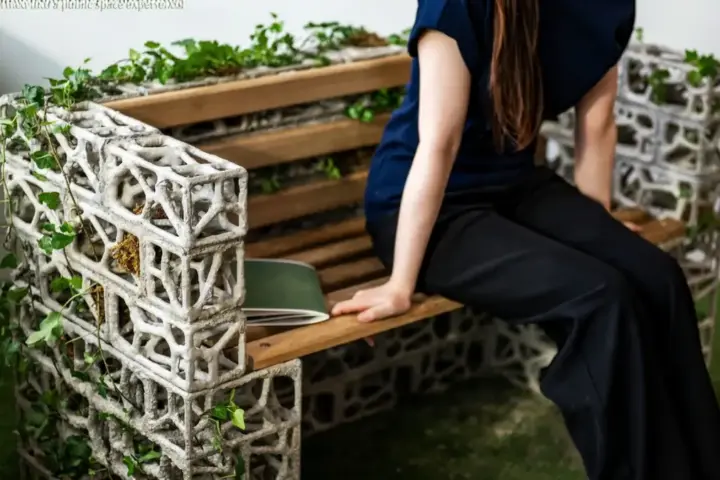
Other companies are also pursuing mycelium-based solutions. In the automotive sector, Ecovative’s AirMycelium has been incorporated into car interior components by FORVIA, a French automotive supplier. In construction, mycelium bricks and panels have been tested as alternatives to concrete and insulation materials, though these applications remain at an earlier stage of development. Research has explored using mycelium composites as construction materials with compressive strength properties that differ significantly from traditional materials like concrete.
The environmental case for mycelium packaging rests on several factors. The material is grown from renewable inputs, uses agricultural waste as a feedstock, and biodegrades at end of life. For companies under pressure to demonstrate progress on sustainability commitments, switching from polystyrene to mycelium-based packaging is one of the more straightforward changes available in the packaging sector.
Related coverage on Karmactive has examined nature’s alternatives to plastic, the business case for recycling through McKinsey’s report on textile recycling, and innovations in microplastic removal. On the regulatory front, the EU Circular Economy Act 2026 mandates doubled circularity targets by 2030, while global single-use plastic consumption reached a record high in 2021 despite growing awareness. Other approaches to sustainable materials are also emerging, including biodegradable plastic bags made from citrus peels that degrade in just 15 days.
The shift toward biodegradable packaging materials is expected to continue as regulatory pressure increases. The European Union’s Packaging and Packaging Waste Regulation, along with similar frameworks in other regions, is pushing companies to find alternatives to single-use plastics. Industrial-scale production by companies like the Magical Mushroom Company may help bridge the gap between laboratory innovation and mainstream adoption.