 Tejal Somvanshi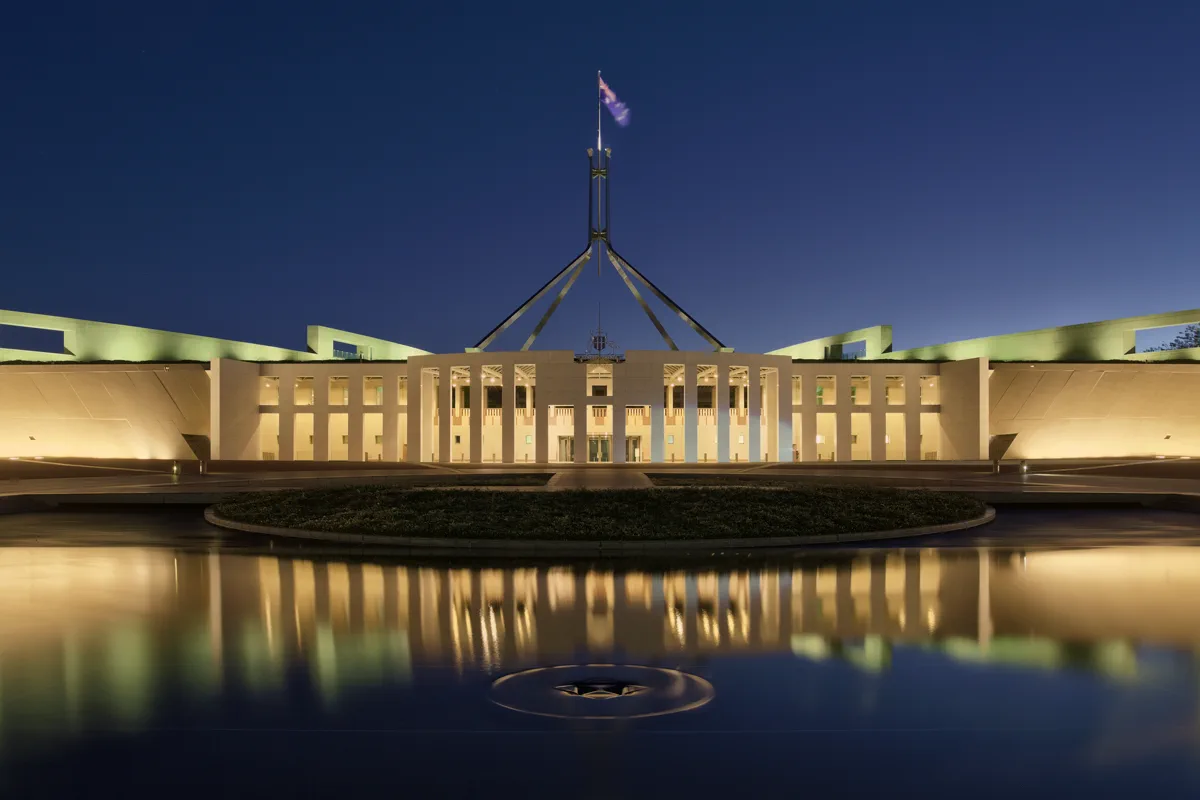
Australia’s Parliament is set to reshape disability support with a bill that grants ministers unprecedented power to slash funding by up to 99% for selected groups of National Disability Insurance Scheme participants. The NDIS Amendment Bill passed the Senate on Tuesday evening with Coalition support—a rare bipartisan moment on social policy—and returns to the lower house Wednesday for a final vote. The scheme currently serves roughly 590,000 Australians with disability; the bill sets a government target to stabilize enrollment at 600,000 by the end of the decade.
The amendment gives federal disability ministers Mark Butler and Jenny McAllister authority to reduce social-activity budgets and other support categories. Australians with Down syndrome have been identified as among those most vulnerable to funding cuts under the new framework. Disability-advocacy groups warn the power could affect thousands.
“This is responsible reform that protects the integrity of the scheme while keeping people with disability at the centre of the NDIS,” Butler said, framing the changes as essential to long-term financial stability. The government has argued that unchecked NDIS spending threatens the scheme’s sustainability.
Not all lawmakers agree. Independent Senator David Pocock called the bill’s provisions “indiscriminate cuts” that lack adequate safeguards. Pocock’s concerns reflect broader anxiety within disability-rights communities about accountability: the 99% ministerial power requires no parliamentary approval per decision.
The NDIS provides funded supports to Australians with permanent disabilities—from personal care to therapy to social participation—tailored to individual participant plans. The Senate passed 63 government amendments to the original bill, concentrating negotiation power in the executive branch.
The financial case for reform is stark: the scheme’s cost has risen significantly, raising questions about long-term viability. Supporters argue that targeted efficiency measures are necessary. Critics counter that cutting social activities—often the lowest-cost interventions that prevent isolation—sacrifices vulnerable groups for budget certainty.
Cross-cutting, the same week 29 U.S. states filed suit against Meta over addictive platform design, as legislators worldwide weigh platform liability.