 Govind Tekale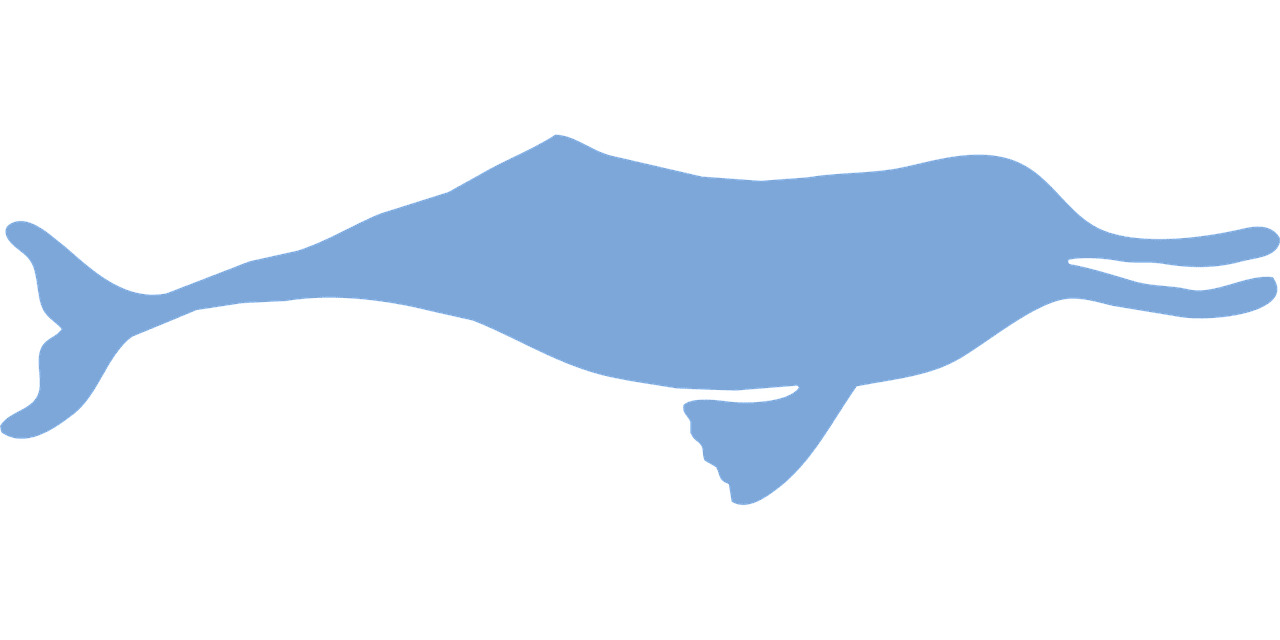
India’s government has approved a recovery plan for Gangetic river dolphins in the Brahmaputra. The Compensatory Afforestation Management and Planning Authority (CAMPA) gave the green light on July 10, 2026, during its seventh meeting in New Delhi, chaired by Union Environment Minister Bhupendra Yadav.
The timing matters. Concurrent with this approval, researchers have been conducting India’s second nationwide dolphin survey since January 2026. This new data will inform the recovery plan’s strategy.
The Gangetic river dolphin is India’s national aquatic animal. But these mammals face a threat most people have never heard of: underwater noise.
Here’s why that matters. Gangetic river dolphins are nearly blind. Evolution adapted them to this. Instead of relying on sight, they navigate and hunt using echolocation—essentially biological sonar. They emit clicks and listen for echoes bouncing off objects in the water. This is how they find food, avoid obstacles, and communicate.
But the Brahmaputra is getting louder. Mechanized sand mining operations and motorized boats generate constant noise underwater. This acoustic pollution disrupts the dolphins’ primary sense. “Unlike marine dolphins, Gangetic river dolphins are almost blind and rely on sophisticated echolocation to navigate,” said Amal Bhushan, a Delhi-based conservationist. “Underwater noise from mechanised boats and dredging interferes with their ability to locate prey and communicate.”
The numbers are sobering. A 2021-23 survey found approximately 6,327 riverine dolphins across India. The Brahmaputra system holds roughly 30 percent of the world’s Ganges river dolphin population. Some tributaries have alarmingly few. The Kulsi river has around 32 dolphins. The Subansiri river has approximately 48 dolphins spread across 93 kilometers.
Multiple threats converge here. Sand mining is one of the most immediate. In Assam’s Kamrup region alone, authorities seized 150 sand-mining machines in enforcement raids. “We have conducted raids into these sand mines and seized 150 machines,” said Dimpi Bora, a District Forest Officer. Sand mining doesn’t just create noise—it physically transforms riverbeds and wetlands into industrial landscapes.
Dams fragment dolphin habitats. The planned Lower Subansiri Hydroelectric Project, a 2,000-megawatt dam, would directly impact the small dolphin population in that river stretch. One conservationist from Lakhimpur noted that dolphins in the Ranganadi river have been completely wiped out due to dam construction.
There are also smaller but deadly threats. In 2024, forensic analysis confirmed two dolphins died from organophosphate poisoning in the Kulsi river. Gill nets continue to entangle dolphins. Climate change is altering river flow patterns.
The current survey uses technology to map the problem precisely. Researchers deploy hydrophones—underwater microphones—to monitor acoustic conditions. The second rangewide survey involves 26 researchers working across three boats, coordinated by the Wildlife Institute of India, WWF India, Aaranyak, and Wildlife Trust of India. They’re collecting data from the Ganga, Brahmaputra, Sundarbans, and Odisha rivers.
This data becomes the backbone of the recovery plan that CAMPA just approved.
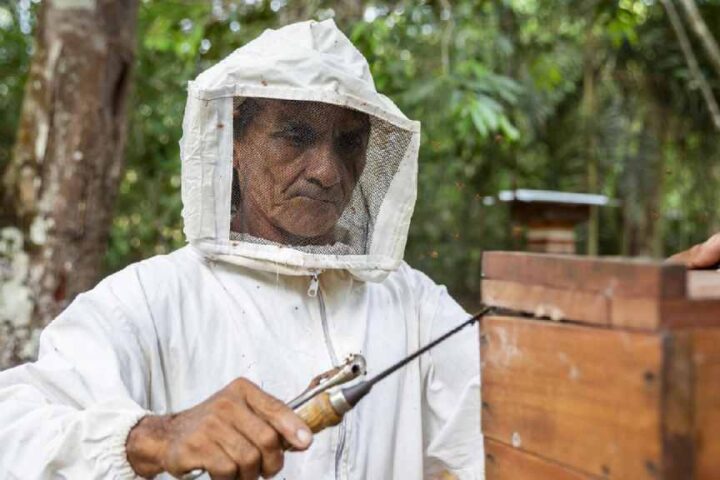
Solutions exist but require coordination. Establishing zero-speed zones on the Brahmaputra could reduce boat noise in critical stretches. Some conservation groups are testing pinger devices—small devices that attach to fishing nets and emit signals dolphins recognize, causing them to avoid entanglement. Sustainable alternatives to sand mining are being piloted, including jewelry-making training and beekeeping programs for affected communities.
The Mising people of Assam have long revered the dolphin. Their folklore speaks of Yakashi, a woman transformed into a dolphin. Local communities report seeing fewer dolphins in recent years. This cultural connection gives conservation an additional resonance beyond environmental protection.
The CAMPA approval is a starting point. Real recovery depends on whether regulations around sand mining and boat traffic actually get enforced, whether the Subansiri dam gets reconsidered, and whether communities support the plan. The second nationwide survey will provide the scientific foundation. But the dolphins can only hear so much noise before echolocation—their lifeline—becomes useless. The recovery plan needs to address that acoustic emergency directly.