 Rahul Somvanshi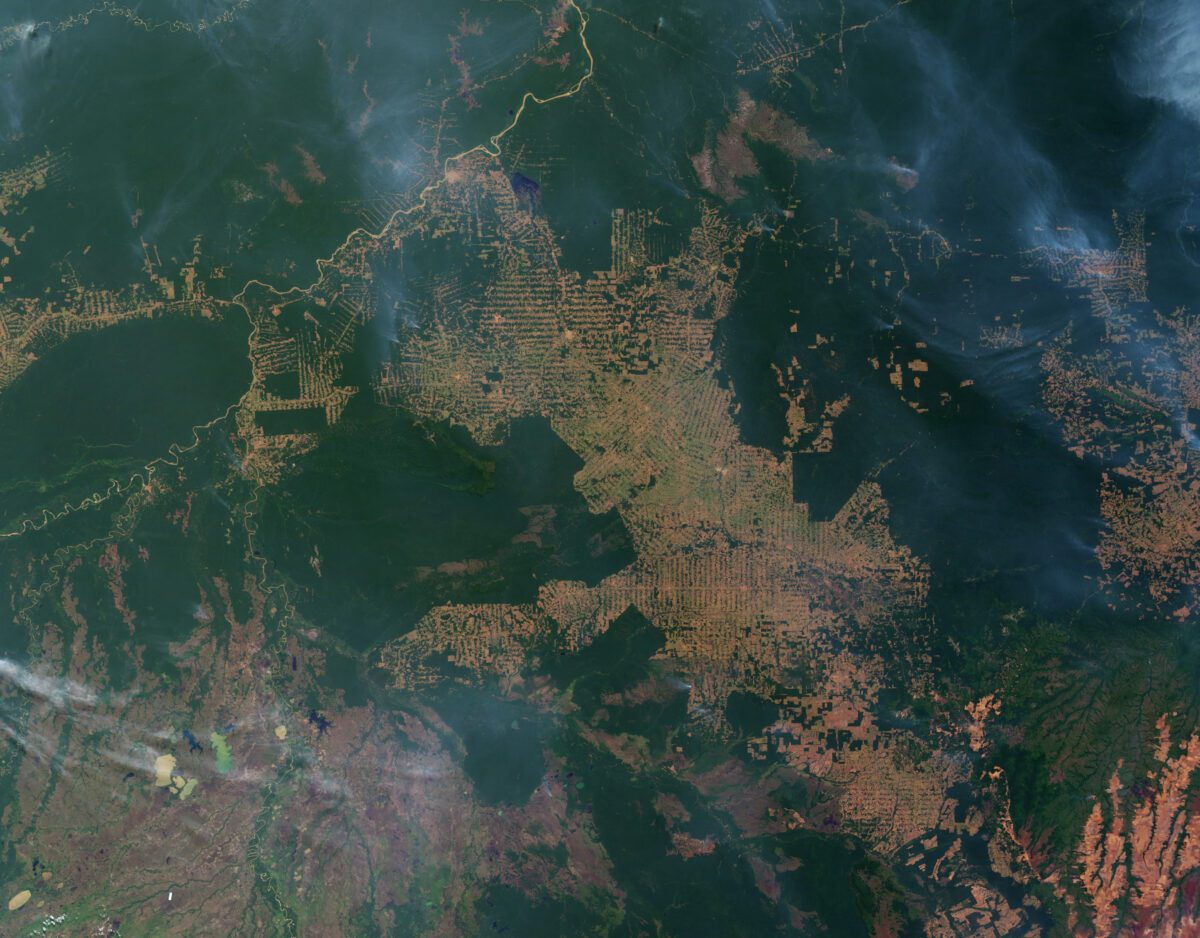
Burned and Cleared: The Post-Fire Logging Rush in the World’s Largest Rainforest
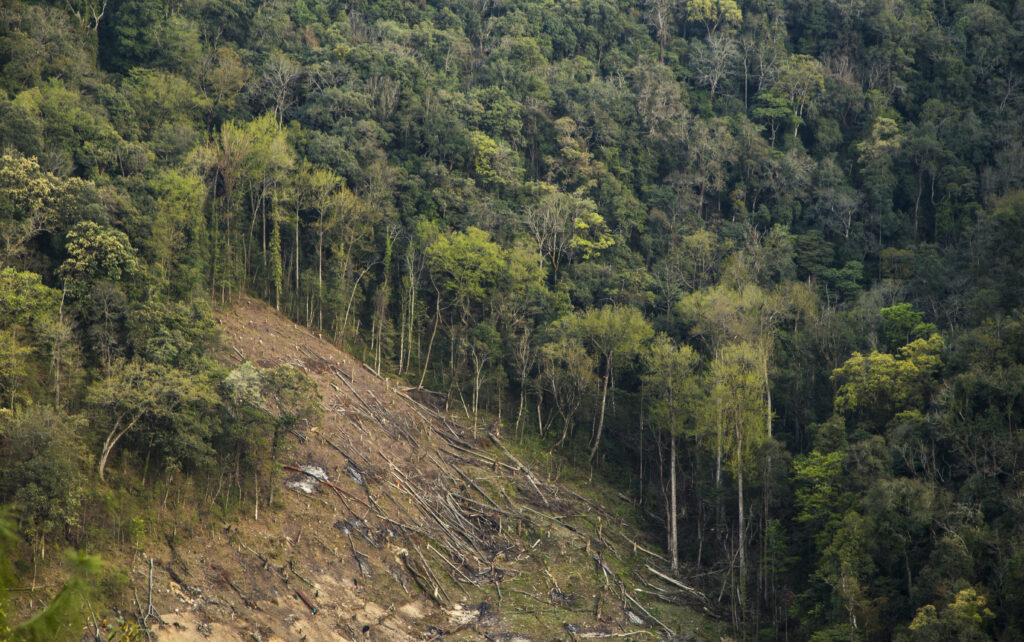
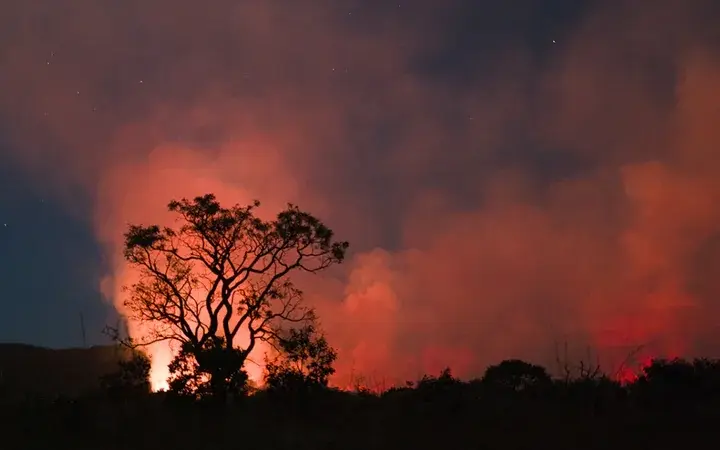
Amazon deforestation spiked 92% in May 2025 alone. For the first half of 2025, deforestation ran 27% higher than the prior year—the steepest rise since 2023. The surge followed the largest burn season in recorded history. During the 2024 fire season, the Amazon experienced wildfires exceeding anything documented since satellite monitoring began in 1985. The burned areas then became targets for illegal logging and land-clearing operations.
A critical finding: 51% of recent deforestation occurred in areas that had burned in the previous months. The logic is perverse but effective. Burned forest is already weakened and more accessible. The charred biomass has reduced value for timber but clears territory for cattle pasture or agricultural expansion. A farmer or land-grabber can burn forest, wait months for the fire scars to cool, then move in with chainsaws and bulldozers to finish the job—extracting whatever timber remains while preparing the ground for cattle or soy.
The 2024 burn season was unprecedented in duration and intensity. El Niño created severe drought conditions across the basin. Winds spread fire across unprecedented distances. Local and global climate feedbacks meant that smoke stayed aloft, further suppressing moisture and rainfall. The result was the largest fire footprint since 1985. That fire, in turn, created conditions for the 2025 deforestation surge.
Brazil faces a critical electoral moment. Presidential elections in 2026 (the first round is scheduled for October 4, 2026) will determine the trajectory of Amazon policy for the next four years. The outcome will shape whether logging regulation is enforced or relaxed, whether Indigenous land protections hold or erode, and whether international climate commitments bind Brazilian development strategy or remain rhetorical. Deforestation advocates argue that the Amazon must be developed for mining, cattle ranching, and agricultural export. Conservationists contend that the rainforest’s climate regulation capacity—its ability to recycle moisture and moderate global weather patterns—depends on large-scale forest preservation. The 2026 election will arbitrate that conflict.
Current momentum favors continued clearing. The BR-319 highway repaving project will open interior forest previously accessible only by water. A pending “devastation bill” would relax regulations on logging and land clearing, allowing more rapid forest conversion. Brazil’s critical minerals push—lithium, cobalt, and other battery metals—explicitly allows mining on Indigenous lands and in protected areas. These policy initiatives predate the 2026 election but reflect the ideological direction of Brazil’s current government.
The COP30 climate summit in Belém, Brazil, held in November 2025, attempted to address the Amazon crisis. Calls for accelerated fossil fuel phase-out faltered against Brazil’s development agenda and resistance from oil-exporting nations. The summit did not produce binding commitments to reduce Amazon deforestation. International pledges to finance Amazon protection were modest and tentative. The practical result was that Brazil retained policy discretion over forest management without new external constraints.
The geopolitical calculus is stark. The Amazon absorbs approximately 2.2 to 2.4 billion tons of carbon dioxide annually (IPCC AR6)—a massive climate stabilizer. If deforestation accelerates to the point where the forest transitions from carbon sink to carbon source, global climate dynamics shift unfavorably. Scientific modeling suggests such a tipping point exists somewhere between 20% and 25% cumulative Amazon loss. Current deforestation stands at approximately 17% (INPE monitoring data). The 2026 election in Brazil will largely determine whether the remaining 3-8% margin is respected or crossed. Mongabay and Reuters investigations document the scale of this convergence.