 Rahul Somvanshi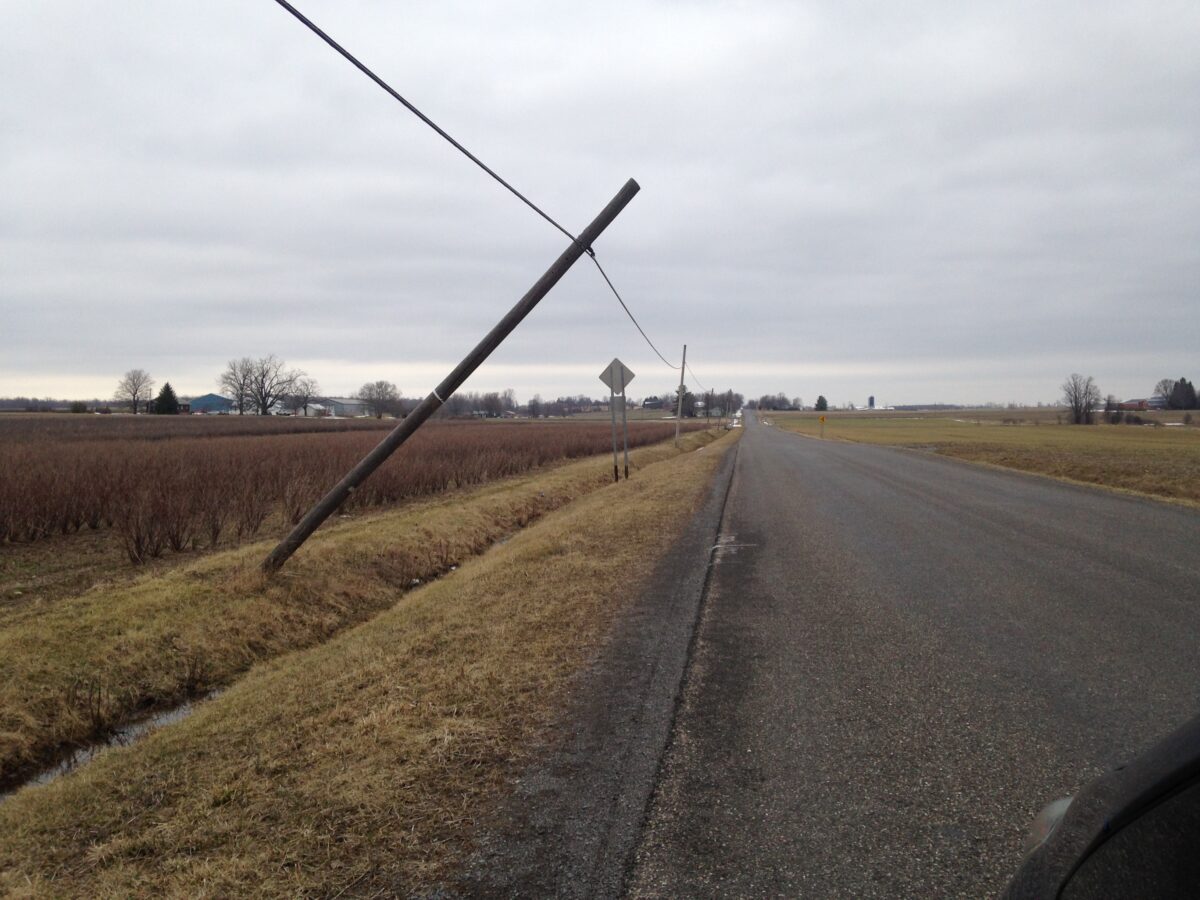
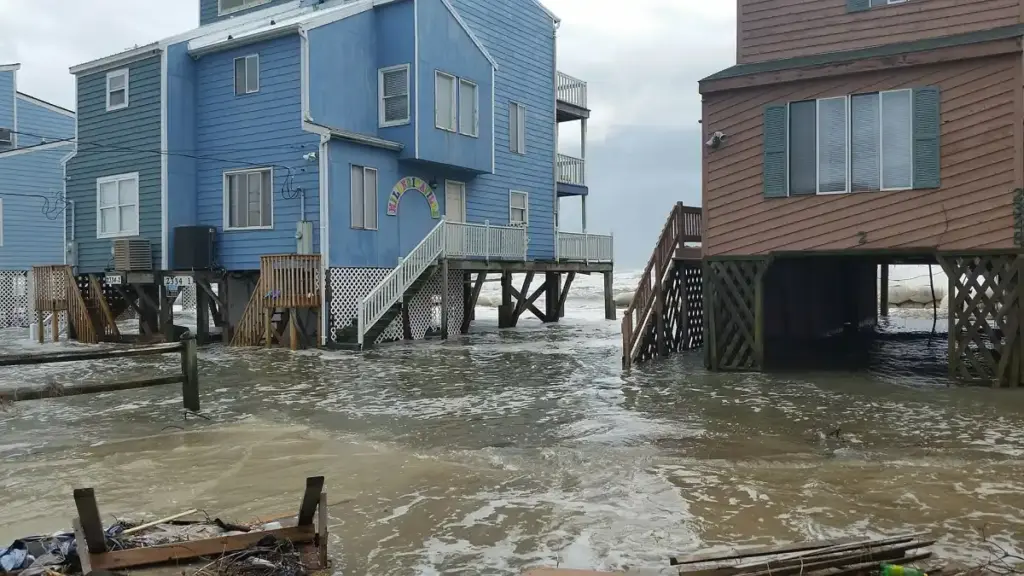
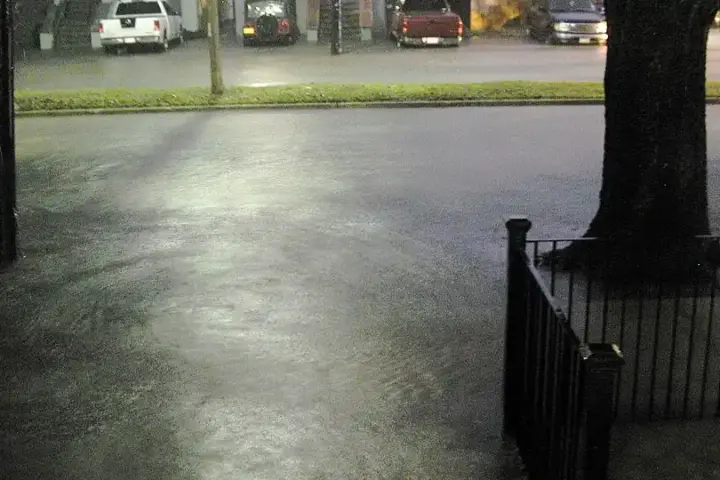
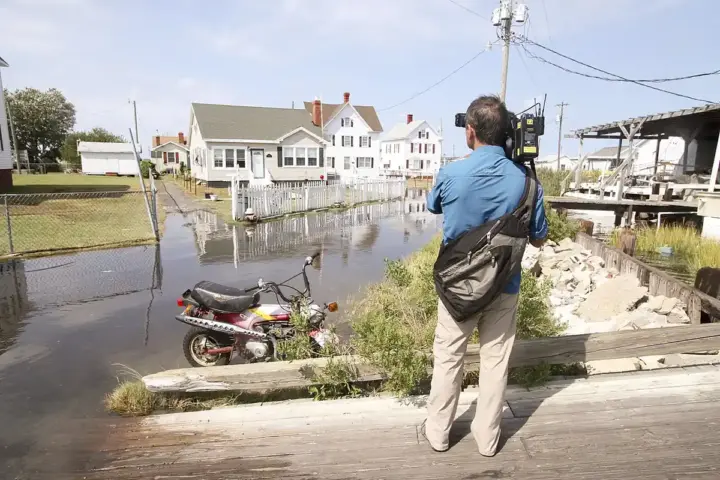
Summer storms in New Jersey hit harder and faster than they used to. On July 4, winds knocked down trees, snapped power lines, and toppled over [165 utility poles]PSEG’s storm restoration news release across the state. Within hours, around [70,000 customers lost electricity]PSEG’s outage update from the July 4 thunderstorms alone, with total outages reaching well over 90,000 customers. What happened next tells us something important about how prepared we really are for [extreme weather]environment.
[Public Service Electric & Gas (PSEG)]PSEG serves 2.3 million customers across New Jersey. When the July storms arrived, the company had already activated its emergency plan and stationed extra crews throughout the area. Even so, the scale was overwhelming. By 10 in the morning on July 4, the utility had managed to [restore power to 138,000 customers]PSEG’s outage update since the start of the event. That sounds impressive, but it also means tens of thousands of people were still in the dark.
What makes this story relevant to families is the backup system nobody thinks about until they need it. PSEG’s appliance repair division jumped into action, handling over [5,500 air conditioning repairs]PSEG’s outage update. On average, technicians got cooling systems running again within 16 hours. For people in extreme heat, that window matters. Vulnerable people—elderly residents, children, those with medical conditions—can’t survive without AC for long.
The real question underlying these storms is about patterns. This wasn’t just one bad day. New Jersey experienced [successive storms over four days]PSEG’s outage update: extreme heat on July 1, thunderstorms on July 3, and another round on July 4. This back-to-back pounding stressed the system in ways single storms don’t. Workers had to rebuild entire sections of the [electric infrastructure]energy before they could restore neighborhoods. One family might wait hours; another might wait days depending on what damage was nearby.
PSEG has [won reliability awards for 24 years straight]PSEG investor relations in the Mid-Atlantic region. That track record matters. But track records built in one climate don’t necessarily transfer to a changing one. [Storms are becoming more intense]environment. Whether utilities can keep their infrastructure intact when nature keeps throwing bigger challenges remains an open question.
The connection to daily life is straightforward. [Power outages mean lost food]FEMA power-outage guidance, disabled air conditioning, and interrupted medical equipment for people who depend on it. The state set up cooling centers through a [211 phone line]NJ 211 for people who couldn’t stay in their homes. That’s backup planning, but it’s also an admission that homes themselves become dangerous during extended outages.
What happened in July matters beyond New Jersey. The crews worked around the clock. The communication systems kept customers informed through outage maps, social media, apps, and text messaging. The response was professional. But the underlying challenge—infrastructure designed for yesterday’s weather facing today’s storms—remains largely unresolved.