Sunita Somvanshi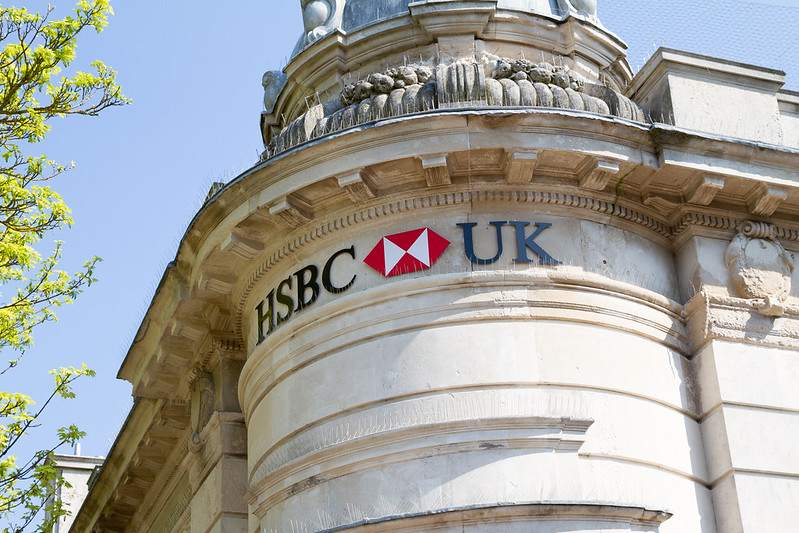
Estimated reading time: 6 minutes
The “Big Four” UK banks—HSBC, Lloyds, Barclays, and NatWest—collectively reported £29.2 billion in profits for the first half of 2026, putting them on track for estimated annual earnings around £55.3 billion. This bonanza has reignited demands from the Trade Union Congress, Labour opposition figures, and cost-of-living campaigners for a windfall tax on bank profits to fund energy bill relief for struggling households.
HSBC alone announced £14.5 billion in first-half profits—a surge of almost 25% compared to the same period last year. The bank immediately signaled its confidence by announcing plans to restart share buy-back programs and consider increased executive bonuses. This juxtaposition—record profits while millions of UK families struggle with energy bills—created political pressure for government intervention.
Why Banks Are Mega-Profitable
The reason is simultaneously simple and galling for cost-of-living advocates: higher interest rates benefit banks structurally. When the Bank of England raises rates to fight inflation (which it did extensively from 2022-2023), banks widen profit margins. They pay depositors modest interest rates while charging borrowers much higher rates on mortgages and loans. The “spread” between deposit costs and lending rates expands significantly.
Additionally, the Middle East conflict that emerged in 2023 and intensified in 2024-2025 pushed global oil and energy prices upward. This benefited energy-sector profits directly but also increased company-wide margins across the economy. Banks with exposure to profitable sectors gain windfall revenue.
The consequence is perverse: exactly when inflation and geopolitical instability are causing household financial stress, banks are harvesting record profits from those stressed households’ struggles. Higher mortgage rates mean homeowners pay more. Banks keep the difference. It’s technically legal but politically explosive when positioned against rising cost-of-living anger.
The Political Case for Windfall Tax
The TUC’s formal position: levy a temporary windfall tax on bank profits and use revenue to fund a “social tariff” that would reduce energy bills by up to £559 annually for low and middle-income households. This would provide approximately £5-7 billion in household relief.
The precedent is established. In 2022, when oil and gas companies were profiting from Ukraine-induced energy spikes, the UK government imposed a 25% windfall tax on their profits, later increasing it to 35%. The policy was described as temporary but remains in effect through 2028. That experience shows windfall taxation on energy sector is politically viable and administratively feasible in the UK.
Applying the same logic to banks: if unearned profits from external circumstances (interest rate environment, geopolitical shocks) deserve taxation, why not bank sector profiteering from exactly the same external factors?
Historical Comparison: Oil and Gas Windfall Tax
The 2022 oil and gas windfall tax raised approximately £5 billion in its first year, higher than initial estimates. It targeted profits from elevated crude prices driven by Ukraine war disruptions. UK government framed it as a temporary levy lasting until energy prices normalized or the supply shock ended.
Years later, oil and gas windfall tax remains in place because prices haven’t normalized sufficiently, and political will to remove it remains minimal. This history suggests if a bank windfall tax is implemented, it might persist beyond initial intention simply because repealing it during cost-of-living crisis would be politically toxic.
Banks themselves argue against windfall taxation, claiming it discourages lending and investment. This is standard business opposition rhetoric—any tax is resisted as capital-flight risk. During 2022 oil and gas windfall tax debates, oil companies made identical arguments. They were overestimated. Windfall tax on profits doesn’t discourage investment in profitable sectors because profitability remains high even after taxation.
Banking Industry Response
HSBC’s chief executive, Georges Elhedery, was notably cautious when questioned about windfall tax prospects. He didn’t dismiss it outright but warned that bank profitability and healthy lending are “crucial for growth.” The implicit message: tax us aggressively, and we’ll lend less, harming the economy.
This argument contains kernels of truth and exaggeration simultaneously. Banks do require capital reserves to support lending. Excessive taxation could reduce lending capacity. But from current £29 billion half-year profits, windfall taxation of even £10-15 billion annually wouldn’t meaningfully restrict lending—it would just reduce shareholder dividends or executive compensation rather than eliminate lending capacity.
The Cost-of-Living Context
Energy bills in the UK have become a political obsession because they’re visible, painful, and growing. The energy price cap (the maximum energy companies can charge customers) was set at £1,971 per year for typical households from April 2026. This represented increases from prior-year levels. For low-income households, this consumes 10-15% of income.
Against this backdrop, bank CEO announcing share buy-back programs and bonus increases feels tone-deaf. Shareholders and executives are celebrating windfall profits while pensioners are struggling to heat homes. The political gap between those narratives is cavernous.
New PM Andy Burnham has signaled cost-of-living support as priority. His first moves included month-long free bus travel for under-16s and beginning national conversations on adult social care funding. Both are modest but signal willingness to spend on quality-of-life improvements.
A windfall tax on banks fits this positioning perfectly—addressing cost-of-living while appearing fiscally responsible (taxing windfall rather than implementing broad tax increases). It’s economically defensible and politically saleable.
Feasibility and Implementation
Implementing a bank windfall tax would require legislation but not complex administration. Define “windfall profit” as profits exceeding historical average rates of return (say, previous 10-year average), tax at specific rate (likely 15-25% based on oil/gas precedent), sunset clause after 2-3 years.
The UK has demonstrated ability to implement similar taxes quickly. The oil and gas windfall tax was legislated within weeks of announcement. Bank windfall tax would follow similar trajectory if government decides to proceed.
Revenue targeting £10-15 billion annually would provide £559 bill relief to roughly 18-27 million households (assuming £400-550 per household savings). This is meaningful but not comprehensive—it wouldn’t solve cost-of-living crisis but would provide real relief for families most vulnerable to energy bills.
Likelihood of Implementation
The political momentum is building. TUC has formally called for the tax. Labour figures have endorsed it. Polling likely shows public support (taxing bank mega-profits to reduce energy bills tests well regardless of political persuasion). New PM Burnham appears open to it based on early signals.
However, government often resists policies supported by unions and opposition if corporate lobbying succeeds. Banks will deploy sophisticated opposition campaigns—economic warnings, potential job losses, lending reduction threats. Whether Burnham’s new government resists this corporate pressure or capitulates remains unclear.
The August 2026 bank profit announcements created the political moment. If government delays through autumn and winter, momentum may dissipate. The pattern historically shows political windows for progressive tax policies close quickly once initial energy wanes. Banks are betting Burnham’s team will ultimately choose corporate relations over consumer pressure.
But the need remains—families struggling to heat homes while bank CEOs celebrate record profits. That contradiction won’t disappear regardless of what government decides to do about taxation. The windfall tax debate is about whether that inequality gets addressed through policy or persists as an indictment of political choices.