Sunita Somvanshi
Estimated reading time: 6 minutes
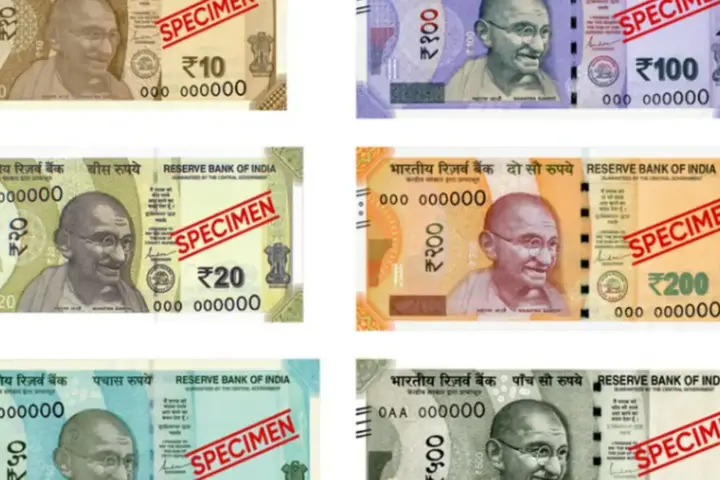
The Pradhan Mantri Shram Yogi Maandhan (PM-SYM) pension scheme is actively recruiting unorganized sector workers across Tamil Nadu in 2026. The scheme guarantees Rs. 3,000 monthly pension starting at age 60, supported by modest monthly contributions during working years. With over 52.5 lakh people already enrolled nationally by March 2026, the scheme is expanding steadily in Tamil Nadu through Common Service Centers (CSCs).
For informal economy workers—street vendors, domestic workers, taxi drivers, construction laborers, tailors, barbers, washermen, sanitation workers—this represents rare formal pension coverage. Most unorganized sector workers have zero retirement security, depending entirely on family support or charity. PM-SYM changes that equation fundamentally.
Who Qualifies for the Pension
Eligibility is straightforward: age between 18 and 40 years, monthly income below Rs. 15,000, and not already covered by statutory pension schemes (EPFO, ESIC, NPS, government employee schemes). Essentially, if you’re working informally with modest income and no existing pension, you likely qualify.
The Rs. 15,000 income threshold covers lower-middle income workers. Someone earning Rs. 12,000 monthly as a vegetable vendor or domestic worker easily qualifies. Those earning Rs. 18,000 or more don’t. This targeting ensures benefits reach those who genuinely lack formal coverage, not subsidizing middle-income self-employed workers who can save independently.
Government co-contribution is the scheme’s innovative aspect. For every rupee you contribute, government contributes an equal rupee. A 25-year-old entering at the minimum contribution rate deposits Rs. 55 monthly (total Rs. 660 yearly). Government contributes Rs. 55 monthly simultaneously. By age 60, accumulated corpus—principal plus compound growth—funds the guaranteed Rs. 3,000 pension. Spouse is eligible for 50% pension as family pension if the primary beneficiary dies.
How Contributions Work
Monthly contribution depends on entry age. A 25-year-old contributes Rs. 55 monthly. A 30-year-old contributes Rs. 100 monthly. A 40-year-old contributes Rs. 200 monthly. Government matches each contribution exactly. This subsidy is real—if you’re 40 years old and contribute Rs. 200 monthly, government also deposits Rs. 200, making your effective monthly saving Rs. 400 with only half coming from your pocket.
Contributions are deducted via Direct Debit from your Aadhaar-linked bank account every month. Missing a month pauses the scheme temporarily, but re-engagement is straightforward. The system is designed for informal workers whose income varies monthly—occasional breaks won’t disqualify you permanently.
Where to Enroll
Registration happens through CSCs—networked Common Service Centers found in most villages and small towns. CSC operators (typically paid agents running government services) handle PM-SYM enrollment. They collect your Aadhaar details, link your bank account, and process enrollment digitally.
Online registration is also available directly through the official PM-SYM portal if you have internet access and digital literacy. For those uncomfortable with apps and websites, CSC enrollment is more accessible. Operators explain the process, handle documentation, and assist with any complications.
In Tamil Nadu specifically, CSCs are present in 38 of 38 districts, with multiple centers in larger towns. Finding a CSC requires minimal travel for most residents. Registration fees are nil—it’s a free government service.
Enrollment Timeline and Deadlines
The scheme accepts applications continuously—no fixed application windows. You can enroll any day, any month. However, enrolling early maximizes compound growth. A 25-year-old starting today accumulates contributions over 35 years. A 35-year-old entering today accumulates for 25 years. The more time your money compounds, the larger your final corpus.
Some Tamil Nadu CSCs provide special enrollment camps during monsoon season (October-November) and agricultural seasons when workers have time between crop activities. These camps expedite enrollment for multiple workers simultaneously, reducing individual travel burden. Schedules vary by district—check locally for campaign dates.
Common Concerns and Clarifications
Question: “Will the pension be enough to live on?”
Answer: Rs. 3,000 monthly at age 60+ is modest—below poverty line in most regions. But it’s a baseline. Combined with family support, other savings, or spouse’s pension (if applicable), it provides security. The scheme isn’t designed to be comprehensive retirement funding; it’s catastrophic poverty prevention for those with zero formal coverage.
Question: “What if I miss contributions?”
Answer: Missing months causes temporary suspension. You can resume contributions anytime, but your final corpus will be smaller due to fewer contribution years. It’s a trade-off between flexibility and final benefit—deliberately missing contributions year-round will reduce your pension substantially.
Question: “What if I die before reaching 60?”
Answer: Your nominated beneficiary receives accumulated corpus. It’s not forfeited. Life insurance component is minimal but present—if you contribute for 10 years then die at age 52, your beneficiary gets your accumulated corpus. It’s less than a pensioner’s full benefit, but it’s not zero.
Question: “How do I prove my income is below Rs. 15,000?”
Answer: Self-declaration mostly. For tax filers, income tax returns verify. For non-filers, you declare on affidavit. Government conducts spot checks to prevent fraud, but the system trusts informal workers’ income declarations on the principle that most aren’t incentivized to lie about earning more than they do.
Impact and Adaptation
At 52.5 lakh national enrollment, the scheme has reached roughly 7-8% of eligible unorganized workers. Coverage expansion remains slow, indicating either low awareness or skepticism about government pension sustainability. Some workers trust informal insurance (friends, family networks) more than government promises.
However, early enrollees praise the scheme. For workers accustomed to uncertainty, the guaranteed Rs. 3,000 generates psychological relief. It’s not life-changing but it’s real security. A street vendor who started enrolling in 2019 will receive the guaranteed pension regardless of market conditions or government budget pressures (the scheme is constitutionally mandated).
Tamil Nadu’s enrollment push suggests state government support—CSC training, promotion campaigns, and administrative support for beneficiary grievances. Contrast this with states where CSCs receive minimal guidance; enrollment stalls despite national availability.
Registration Roadblock: Aadhaar Linking
Ironically, the biggest enrollment barrier is Aadhaar-bank account linking. Some informal workers have Aadhaar but inactive bank accounts. Others have accounts without Aadhaar linkage (older accounts opened before Aadhaar became mandatory). The scheme requires all three: Aadhaar, active bank account, and proper linkage.
CSC operators help link these accounts, but the process sometimes takes 15-20 days at bank branches. Workers impatient for pension enrollment sometimes abandon the process. Streamlining bank account-Aadhaar linkage would dramatically increase PM-SYM reach.
For Tamil Nadu workers considering enrollment: start the process now if you’re between 18-40 with income below Rs. 15,000. The earlier you begin, the lower your monthly contribution and the larger your final pension. By age 60, PM-SYM could provide the only retirement security you have. That’s not spectacular—but for unorganized workers, it’s transformational.