 Govind Tekale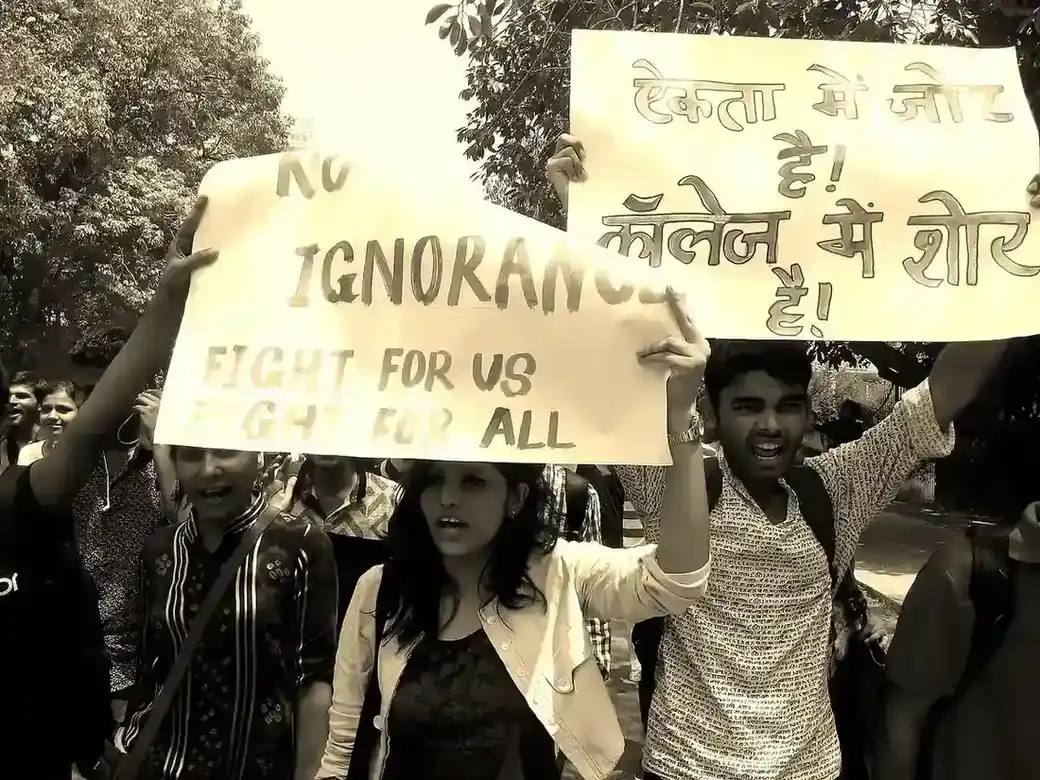
Estimated reading time: 2 minutes
Cockroach Janta Party (CJP), the satirical youth movement that emerged from recent Jantar Mantar protest success, held a two-day strategy meet in Chhatrapati Sambhajinagar beginning August 5, 2026. The meeting brought together CJP’s founder Abhijeet Dipke, spokespersons, and organizational leadership to determine next steps for the movement.
Background: CJP emerged on May 16, 2026, following remarks by then-Chief Justice of India Surya Kant comparing unemployed youth to “cockroaches” and “parasites of society.” The name parodies the ruling Bharatiya Janata Party. Within days, the movement garnered over 350,000 sign-ups and 20 million Instagram followers—unprecedented momentum for an emerging grassroots force.
The Jantar Mantar protest, which culminated in former Union Education Minister Dharmendra Pradhan’s resignation over NEET paper leak allegations, solidified CJP’s credentials as an effective advocacy force. The success energized the movement’s base and raised questions about its trajectory.
Nationwide Listening Tour: Following the strategy meet, CJP announced plans for a nationwide listening tour to engage volunteers and stakeholders across the country. The movement consulted approximately fifty core volunteers who dedicated efforts throughout the Jantar Mantar campaign. The tour aims to capture needs and aspirations of India’s youth—a generation that has grown hopeful and optimistic about the country’s future.
Political Positioning: CJP explicitly ruled out becoming a formal political party, maintaining its status as an unregistered movement focused on societal, economic, and political issues affecting Indian youth. This positioning allows operational flexibility while avoiding bureaucratic constraints of electoral registration with the Election Commission of India.
Organizational Identity: CJP’s slogan—”Voice of the Lazy & Unemployed”—reflects its mission to represent overlooked youth demographics. The movement engages in both online advocacy and offline activities, with volunteers participating in protests and clean-up drives dressed in cockroach costumes. This combination of digital and physical activism resonates with Gen-Z audiences accustomed to blending online and offline engagement.
The strategy meet represented a critical juncture for the movement. Success at Jantar Mantar raised expectations but also questions about sustainability and organizational capacity. The planned listening tour suggests CJP aims to build grassroots networks while avoiding premature institutionalization that could compromise its anti-establishment credentials.
Whether CJP can maintain momentum beyond Jantar Mantar depends on translating viral social media followings into durable organizational structures. The nationwide listening tour represents the first step toward answering whether the movement can evolve into a sustained political force without sacrificing its satirical identity and youth-centered focus.