 Govind Tekale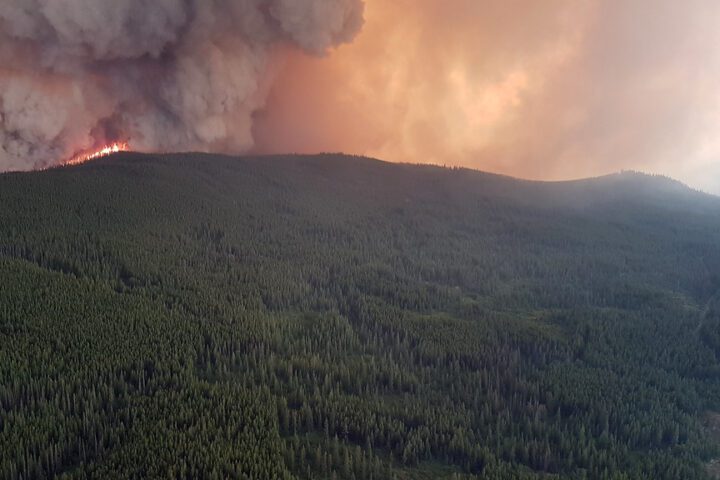
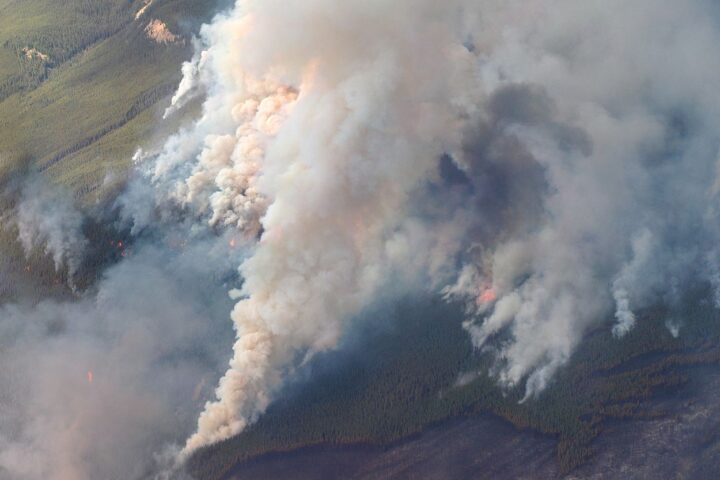
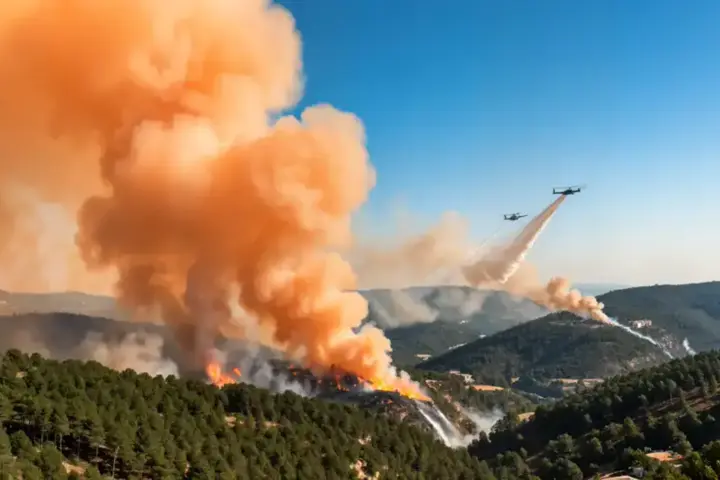
Evacuation alerts were issued July 29, 2026 for properties in the Thompson-Nicola Regional District near Logan Lake, British Columbia, as an 88-hectare wildfire burned in the area under hot and dry conditions. The BC Wildfire Service classified the fire as out of control as of Tuesday evening, with resources deployed to protect structures in the evacuation alert zone.
The District of Logan Lake issued the evacuation alert for residents in several rural subdivisions south of the municipality, advising affected residents to be prepared to leave with little notice. An evacuation alert means residents are not yet required to leave but should have emergency supplies ready and be prepared to evacuate immediately if an evacuation order is issued.
Separately, BC Wildfire Service crews responded to a spot fire discovered near Highway 97 at Monte Lake, approximately 40 kilometres north of Vernon in the North Okanagan-Shuswap region. That fire was reported on July 28 and remained small, but ground crews and air support were deployed given the proximity to the highway and dry vegetation conditions.
British Columbia has experienced above-normal temperatures throughout July 2026, creating elevated fire risk across the southern interior. The BC Wildfire Service has multiple fires burning across the province, with resources prioritized based on threat to life and infrastructure.
For the most current evacuation information, residents in the Thompson-Nicola Regional District and surrounding areas can monitor EmergencyInfoBC, the provincial emergency information portal, which provides real-time updates on evacuation orders, alerts, and wildfire perimeter maps.
Residents under evacuation alerts should prepare a go-bag with essential documents, medications, identification, and supplies for 72 hours. Pets and livestock should be accounted for in evacuation planning, as animal evacuation resources may be limited during large-scale fire events.
Climate scientists have noted that British Columbia’s fire seasons have intensified in recent decades, with higher average temperatures and more frequent drought conditions increasing the frequency and severity of large wildfires across the province’s southern interior.