 Sunita Somvanshi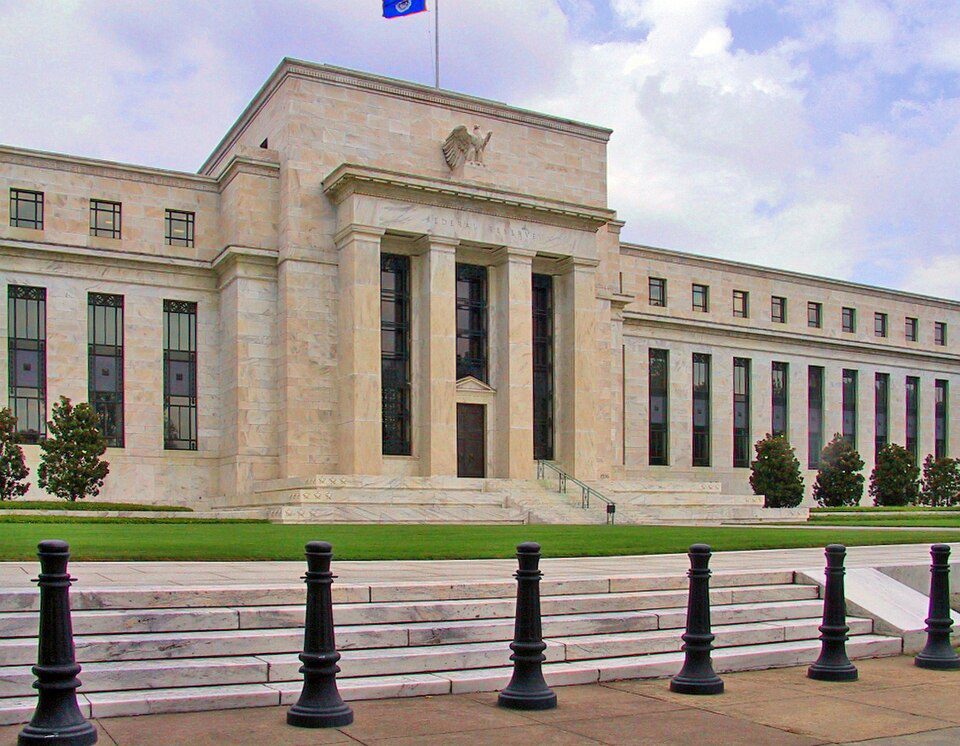
The Federal Reserve held its benchmark interest rate steady at its July 29-30, 2026, policy meeting, the Federal Open Market Committee’s third consecutive pause in a rate-cutting cycle that began in late 2024. Fed officials left the federal funds rate target range unchanged, citing a need for more evidence that inflation is sustainably declining toward the central bank’s 2 percent target.
Fed Chair Jerome Powell, speaking at a post-meeting press conference, acknowledged that inflation has continued to moderate but emphasized that progress has been uneven and that policymakers remain cautious about the pace of future rate adjustments. The Committee reiterated its data-dependent approach to monetary policy decisions.
The Fed’s preferred inflation gauge, the Personal Consumption Expenditures (PCE) price index, came in at 2.6 percent year-over-year in the most recent reading — still above the 2 percent target but considerably lower than the approximately 7.1 percent peak reached in June 2022. Core PCE, which excludes food and energy, stood at 2.7 percent.
Interest rate futures markets had largely priced in the July pause ahead of the meeting. Traders are now pricing in a higher probability of a rate cut at the September 2026 meeting, though the outcome will depend heavily on labor market data and the next several inflation reports.
The Fed’s decision has direct implications for mortgage rates and consumer borrowing costs. The 30-year fixed mortgage rate climbed to 7.22 percent this week — a near-year high — even before the announcement, as bond markets had already anticipated the pause.
For American households, the prolonged elevated rate environment has squeezed affordability in the housing market, raised the cost of auto loans and credit card debt, and increased borrowing costs for small businesses. The Fed’s gradual approach reflects a careful balancing act between controlling inflation and avoiding unnecessary damage to the labor market.
The next FOMC meeting is scheduled for September 16-17, 2026. If inflation data in the intervening weeks supports further progress toward the 2 percent target, a quarter-point rate cut is viewed as likely by most economists.