 Karmactive Staff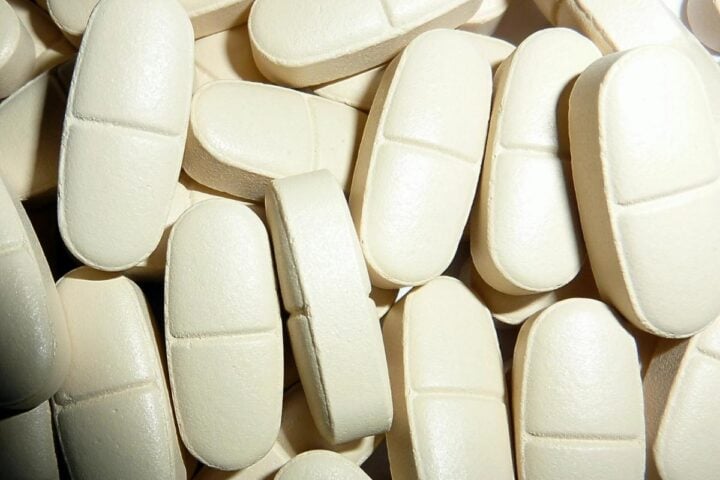
The FDA has confirmed a nationwide recall of levothyroxine sodium tablets manufactured by Major Pharmaceuticals. The action, initiated July 13 and formally classified by the FDA on July 17, 2026, covers twelve product lines across seven dosage strengths: 25 mcg, 50 mcg, 75 mcg, 88 mcg, 112 mcg, 125 mcg, and 150 mcg. Affected lots carry expiration dates between July 2026 and January 2027.
The problem is subpotency—the tablets contain less active ingredient than labelled. Major Pharmaceuticals identified the defect through routine stability testing. The FDA designated this a Class II recall, meaning the product may cause temporary or medically reversible harm but is unlikely to lead to serious injury or death. That said, levothyroxine is one of the most widely prescribed drugs in the United States—used by millions of people to replace thyroid hormone when the thyroid gland cannot produce enough on its own.
Patients on affected lots may not be receiving the hormone level their bodies need. Symptoms of under-treatment include persistent fatigue, unexplained weight gain, cold sensitivity, depression, and cognitive slowing. Thyroid patients experiencing worsening symptoms while taking levothyroxine should contact their healthcare provider promptly rather than adjusting dosage on their own. Blood tests can confirm whether thyroid hormone levels are adequate.
Multiple manufacturers produce levothyroxine, so alternative supplies from unaffected companies are available. Patients should check with their pharmacy to confirm whether their current supply comes from affected lots. Pharmacists can verify lot numbers and, where necessary, switch patients to a product from a different manufacturer. This kind of supply-chain verification is something Karmactive has highlighted in prior recall coverage, including contamination recalls and product quality failures affecting essential goods. Karmactive has also covered regional food safety recalls that required consumers to verify batch details quickly.
The recall raises questions about potency testing frequency and protocols for generic medications. The FDA’s Class II classification focuses regulatory attention on reversible harm, but for thyroid patients—many of whom manage chronic conditions requiring precise hormone balance—even a temporary shortfall in medication potency can disrupt daily function significantly. Patients should continue taking their medication as prescribed while working with their pharmacist and doctor to confirm their supply is unaffected.