Artemis II mission facts, heat shield checks, and the full path back to Earth
A compact, factual page built for easy reading, strong SEO structure, and smooth viewing on mobile and desktop.
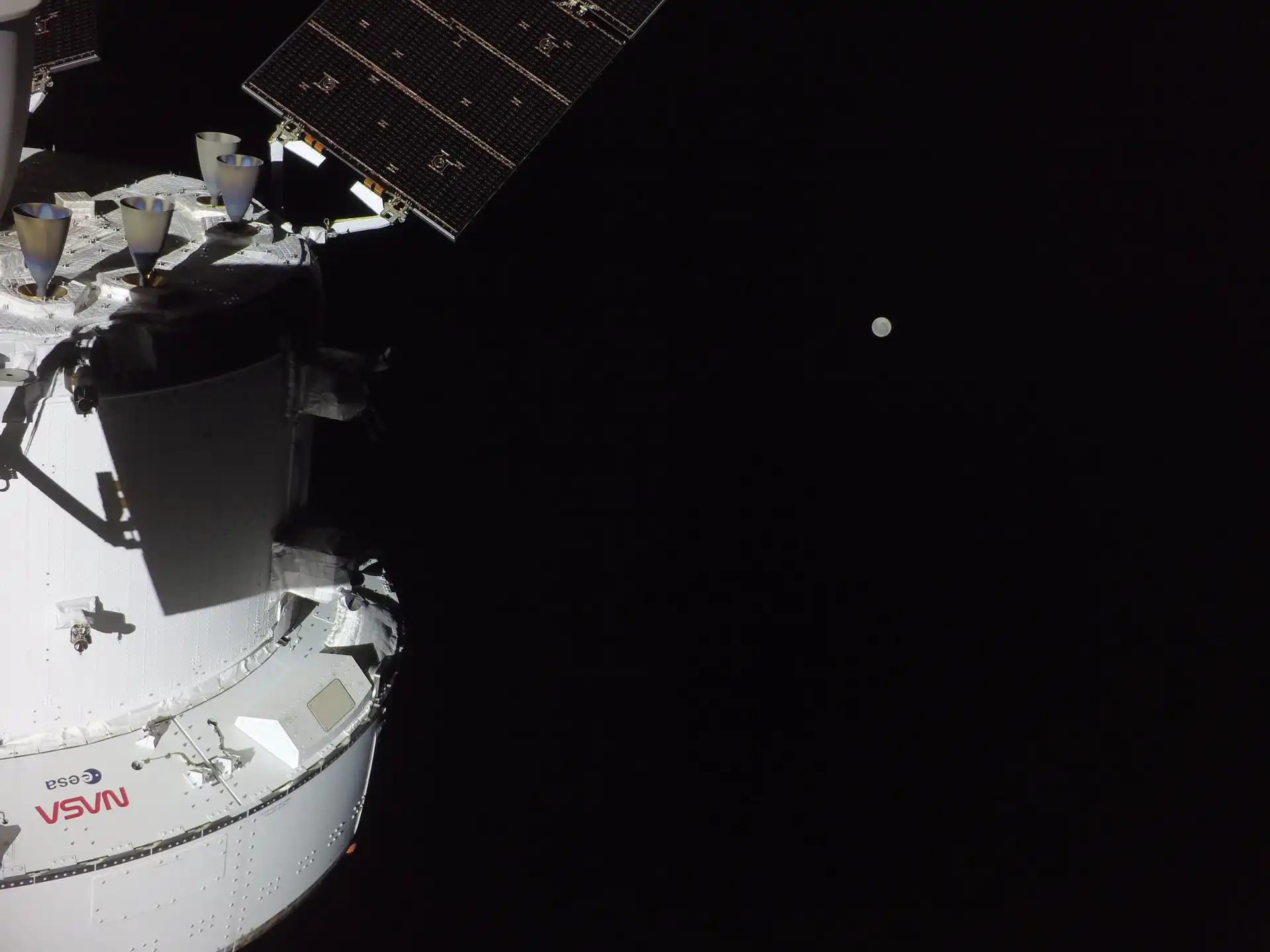
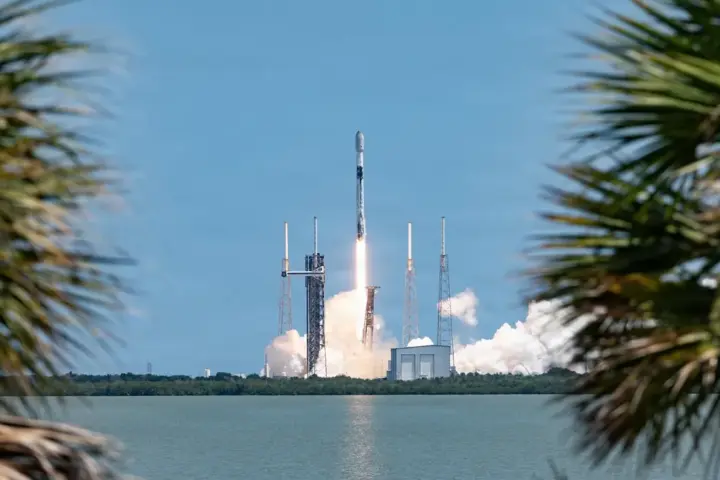
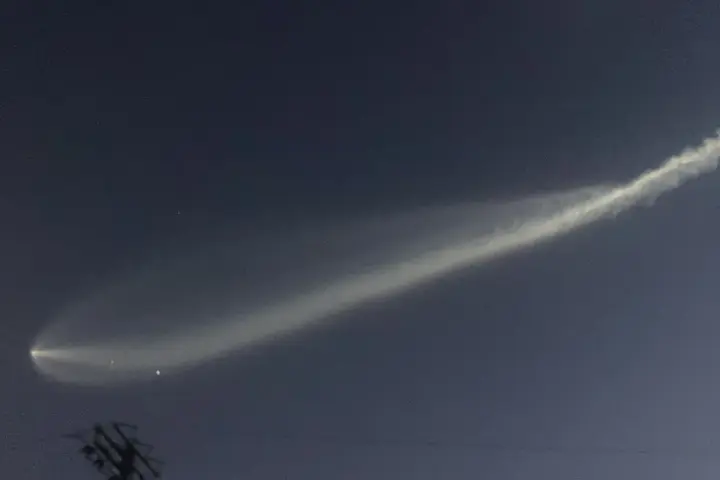
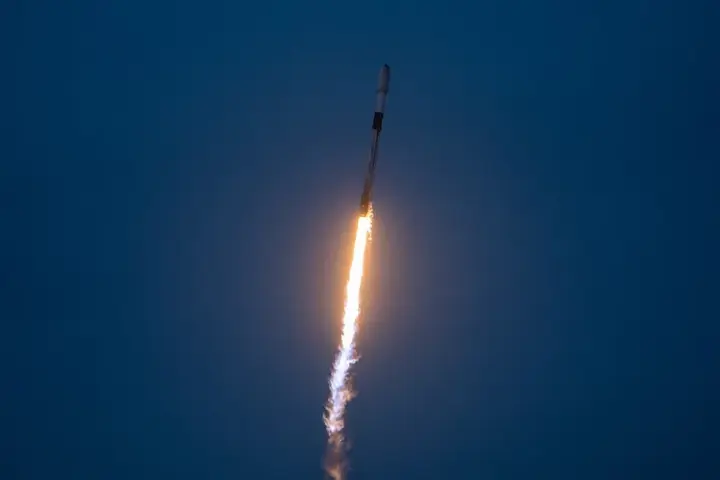
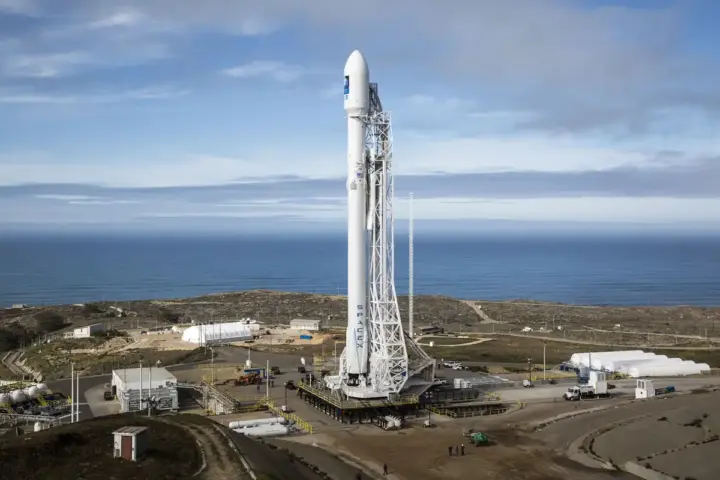
NASA’s Artemis II mission launched on April 1, 2026, from Launch Complex 39B at Kennedy Space Center on an approximately 10-day journey around the Moon and back. The flight tested the Orion spacecraft and the Space Launch System in crewed lunar flight conditions, adding context to Karmactive’s earlier Artemis II launch coverage and its report on human presence on the Moon.
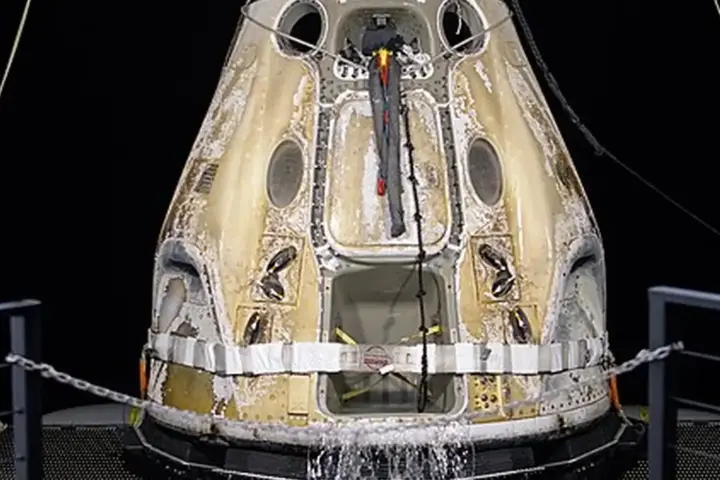
After a 694,481-mile journey, Orion splashed down off the coast of San Diego on April 10. NASA’s initial Artemis II assessments said the thermal protection system performed as expected, char loss was significantly reduced compared with Artemis I, and splashdown occurred 2.9 miles from the target site with entry interface velocity within one mile per hour of predictions.
Tap through the mission path
This interactive section keeps the story linear. Each tab explains one stage so the mission can be followed without long blocks of text.
Launch and early flight
The mission lifted off on April 1 and carried four astronauts aboard Orion. NASA said the SLS rocket met its objectives and early analysis indicated Orion was placed where it needed to be in space, with the stack traveling at over 18,000 miles per hour at main engine cutoff.
Around the Moon
The crew completed the planned lunar flight path and returned to Earth after an approximately 10-day mission. Karmactive also tracked the mission setup phase in its April 2026 mission target piece, which works well as background reading alongside this post-flight view.
Re-entry and heat shield check
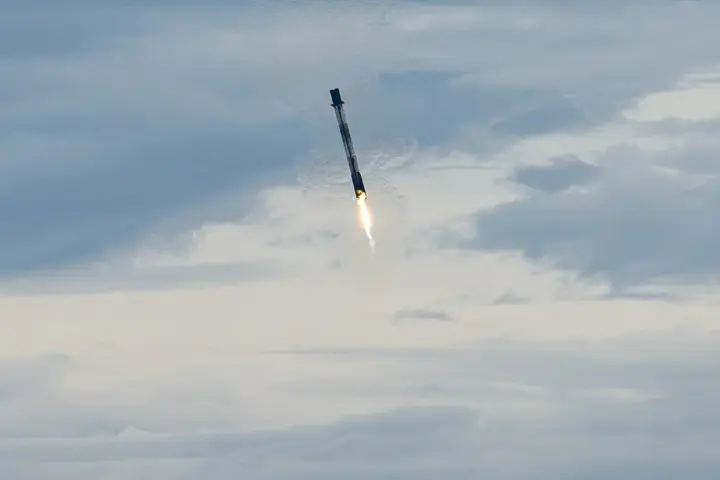
During re-entry, Orion traveled nearly 35 times the speed of sound. NASA’s post-flight assessment said initial inspections found no unusual conditions, while the char loss seen on Artemis I was significantly reduced in both quantity and size.
Crew recovery
After splashdown, the recovery effort involved U.S. Navy divers and USS John P. Murtha. NASA’s flight-day updates logged Orion in the Pacific after splashdown, followed by in-water tests and handoff to the recovery team.
What engineers are checking now
NASA said the crew module is expected back at Kennedy for detailed examination, post-flight data review, hazard removal, and reusable hardware removal. Over the summer, the heat shield is planned for sample extraction and internal X-ray scans at Marshall for deeper material analysis.
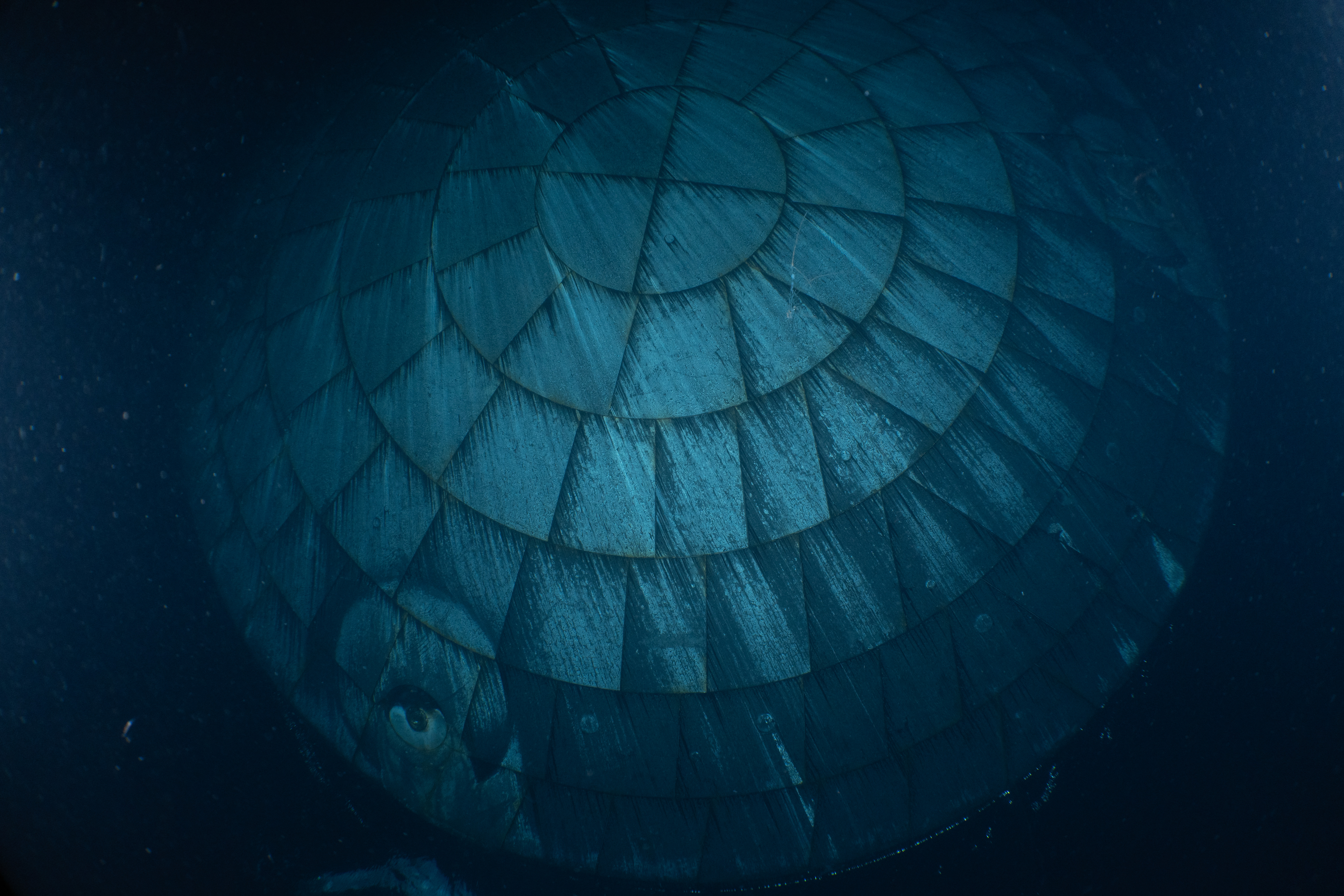
The heat shield remained one of the most watched systems after Artemis I. NASA said diver imagery and recovery-ship inspections found the Artemis II char-loss pattern was smaller than the earlier flight and consistent with arc-jet ground testing completed after Artemis I.
NASA also said the upper backshell ceramic tiles performed as expected, and some reflective thermal tape remained visible after re-entry because that material is used to help control temperatures in space rather than provide re-entry protection.
For wider context on long-duration human mission needs, Karmactive’s coverage of NASA’s deep-space food challenge connects well with the crew-systems side of Artemis planning.
Mission notes that matter
These expandable blocks keep the detail level high without making the page feel crowded.
Orion spacecraft checks
NASA said Orion re-entered Earth’s atmosphere and splashed down after its 694,481-mile journey. Initial inspections found the thermal protection system performed as expected, and additional heat shield examination is planned during de-servicing.
Known onboard issue under review
NASA said teams are gathering data to support the post-flight investigation of the urine vent line issue from Artemis II. Corrective action is being prepared for Artemis III.
SLS rocket and pad performance
NASA said the SLS rocket performed well and met its mission objectives, while post-launch assessments found minimal damage at the launch pad and mobile launcher after reinforcement work based on Artemis I lessons.
Recovery and reused hardware
NASA said several Orion components were removed in San Diego for post-flight analysis and future reuse, including seats, video processing units, crew module camera controllers, stowage containers and bags, and suit umbilicals.
Next timeline now on record
NASA said data from the first crewed Artemis mission is being used as teams prepare for Artemis III in 2027, with subsequent missions to the Moon’s surface beginning in 2028.
This page keeps the reading path simple: mission overview first, hardware findings next, recovery after that, and a short close at the end. For official re-entry timing and in-water updates, see NASA’s flight-day re-entry log; for related Karmactive background, the site’s earlier coverage of deep-space communication work fits naturally beside this mission page.
This page discussed the Artemis II launch, the journey around the Moon, the re-entry and splashdown, the heat shield inspection, the recovery operation, and the engineering checks now underway.