 Sunita Somvanshi
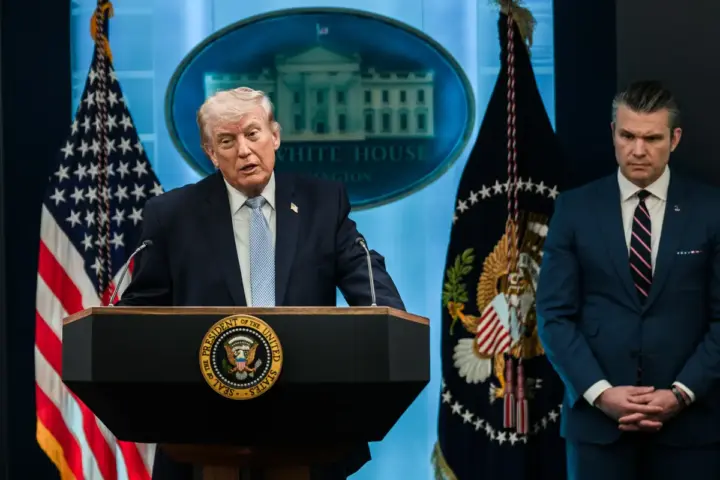
The United Kingdom government has indicated willingness to reconsider its digital services tax (DST) after US Trade Representative Jamieson Greer warned that President Donald Trump views the levy on American tech companies as unacceptable and would not tolerate what he called Britain using US firms as “piggy banks.”
The DST imposes a 2% tax on revenues of search engines, social media platforms, and online marketplaces that derive value from UK users. It has generated more than £2.4 billion ($3.2 billion) for the British government since its introduction in 2021.
Prime Minister Andy Burnham, who took office in July, signaled openness to discussing US concerns. A government spokesperson stated: “We remain open to discussing US concerns and working with partners internationally. This tax is about making sure that businesses pay their fair share of UK tax based on the value they derive from UK activities.”
The concession follows Greer’s interview with The Times in which he stated the Trump administration would scrap its trade deal with Britain and impose 100% tariffs if the DST were not removed. The two nations signed a “Tech Prosperity Deal” in September 2025 that was expected to bring billions in US tech investment to Britain, but relations have splintered since the onset of the Iran conflict.
This follows our earlier reporting on renewable energy investments shaping trade flows and the economic implications covered in China’s energy sector transitions.
The digital services tax review was first outlined in a government publication from HM Revenue and Customs, and the policy framework was detailed on GOV.UK.
The decision about the digital services tax was discussed between the two governments without a timeline for resolution. Both sides described the trade relationship as constructive while acknowledging ongoing disagreement on the tax treatment of technology companies operating across borders. The UK government has indicated that any changes would need to balance revenue needs with maintaining international trade relationships.